

The Lifespan of Solar Panels in UK Weather Conditions
Solar panels in the UK generally last between 25 to 30 years, thanks to the country’s moderate weather. They degrade at around 0.4% per year, meaning they can still retain over 80% efficiency by the end of their lifespan. Factors such as temperature, rainfall, and regular maintenance can improve their output. Keeping them clean and optimally positioned is essential for maximising energy production. Interested in how seasonal changes affect efficiency and what occurs when they reach the end of their life?
Key Takeaways
Solar panels in the UK generally have a lifespan of 25 to 30 years, with high-quality monocrystalline panels possibly lasting even longer. On average, they degrade at about 0.4% per year, which means they can maintain over 80% efficiency after 25-30 years.
Interestingly, the UK’s weather conditions, including rain and cooler temperatures, can actually improve solar panel efficiency. While cloud cover can reduce energy output by 10-25% on overcast days, solar panels can still generate a decent amount of electricity.
To ensure maximum longevity and efficiency of your solar panels, regular maintenance—like cleaning and inspections—is essential, especially given the variable UK weather.
Average Lifespan of Solar Panels in the UK

The average lifespan of solar panels in the UK is typically between 25 and 30 years, during which their efficiency gradually decreases. High-quality panels, especially monocrystalline ones, can last even longer. Proper installation is crucial; factors like angle and avoiding shading can significantly affect their longevity. Regular cleaning and maintenance can also boost performance and reduce the impact of pollution on efficiency. Additionally, the degradation rate of solar panels is generally around 0.5% to 0.8% annually, which means that careful management can help maximize their output over time. Thanks to ongoing innovations, many panels can still operate at around 80% efficiency even after 30 years. Knowing these factors helps you make informed choices about your solar energy investments and their benefits to the community.
Understanding Solar Panel Degradation Rates
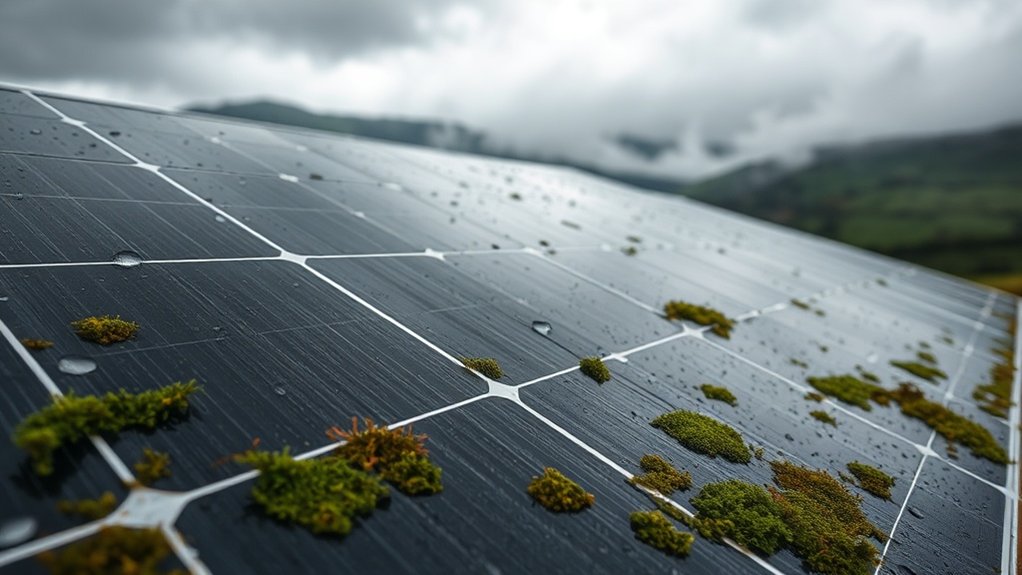
Understanding how solar panels degrade over time is essential for maximising their efficiency and lifespan. In the UK, solar panels generally experience an annual degradation rate of around 0.4%, meaning they can retain over 80% efficiency after 25 to 30 years. This low rate is largely due to the UK’s moderate climate, which helps reduce thermal stress and UV exposure. Regular maintenance, cleaning, and professional inspections can further mitigate degradation. Moreover, current data indicates that solar panel degradation is less than the assumed rates, which emphasizes the importance of continued monitoring and analysis.
When exploring solar panel financing and installation incentives, it’s important to consider these degradation rates, as they impact long-term performance and return on investment. By addressing these factors, you can ensure optimal energy production and longevity for your solar investment.
Types of Solar Panels and Their Longevity
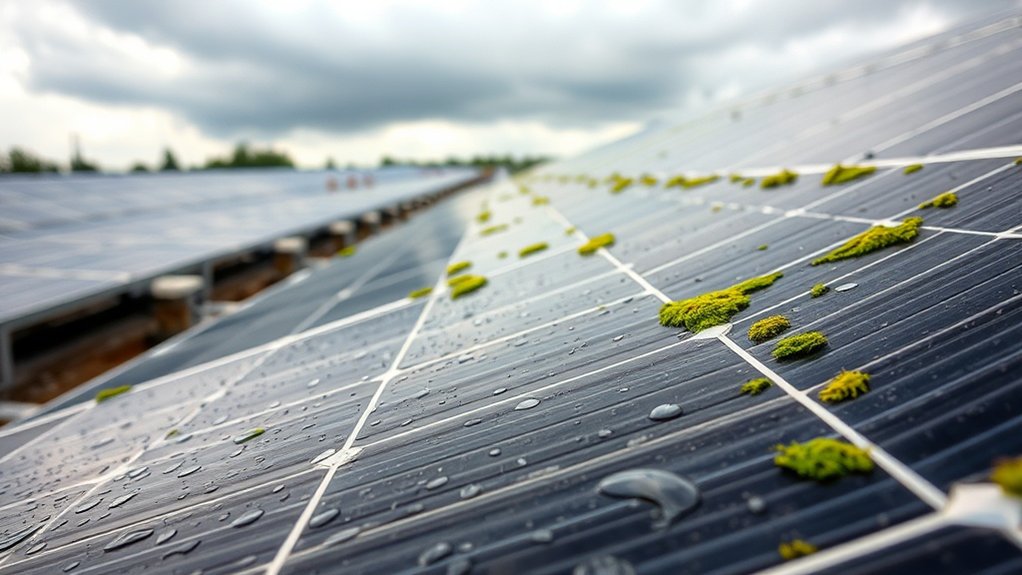
When choosing solar panels, monocrystalline panels typically last between 25 to 30 years, with some even exceeding this lifespan due to their single silicon crystal structure. On the other hand, polycrystalline panels also have a lifespan of around 25 to 30 years, but they may be slightly less efficient because of their multiple crystal composition. Knowing these differences can help you make a well-informed decision based on durability and performance. Additionally, the average lifespan of newer monocrystalline panels can reach up to 40 years under optimal conditions.
Monocrystalline Panel Durability
Monocrystalline solar panels, made from a single silicon crystal, are known for their exceptional durability, making them a popular choice for homes and businesses across the UK.
They typically last between 25 to 30 years, with some advanced models lasting up to 40 years in optimal conditions. The panels have a low annual degradation rate of just 0.5% to 0.8%, ensuring efficient energy production even after many years.
Their robust materials withstand the UK’s varied weather, which is crucial for long-term performance. Proper installation at the right angles also boosts their lifespan.
With regular maintenance, you can keep these panels performing efficiently, meeting your energy needs reliably for decades.
Polycrystalline Panel Lifespan
While monocrystalline panels are renowned for their durability, polycrystalline panels also provide a reliable lifespan, making them a suitable choice for residents in the UK.
Typically, polycrystalline panels can last between 25 to 30 years in UK weather conditions. This lifespan is competitive with solar tiles but generally shorter than monocrystalline panels, which can last 30 to 40 years or more.
Notably, research from Oldenburg University shows that polycrystalline panels installed as far back as 1976 are still generating power nearly 50 years later, suggesting they may outlast current expectations.
When considering installation, it’s important to weigh the efficiency of polycrystalline panels alongside the warranties offered by manufacturers, helping you make an informed decision for sustainable energy.
The Role of UK Weather in Solar Efficiency
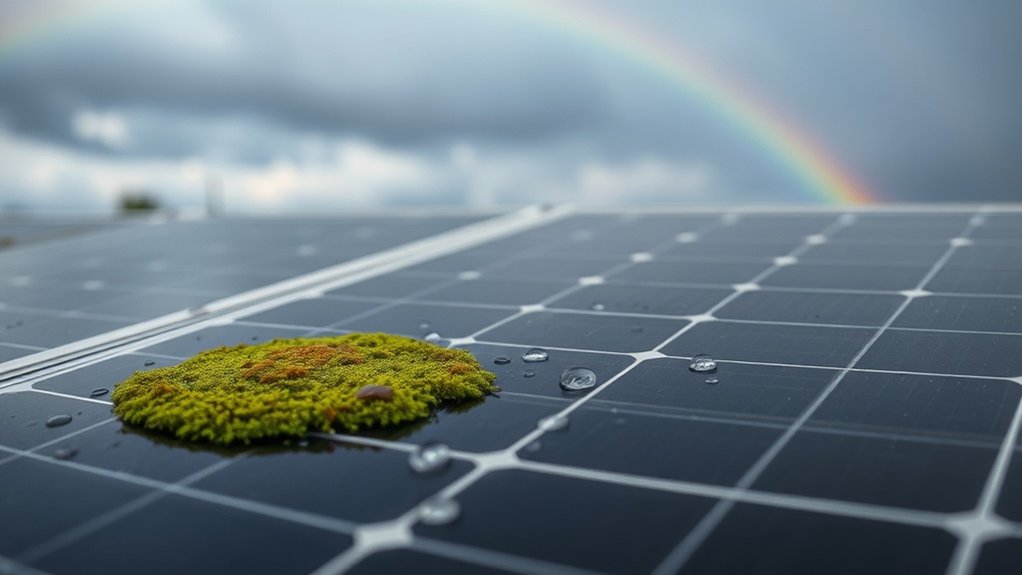
In the UK, the weather has a significant impact on the efficiency of solar panels. Factors like rain, cloudy skies, and seasonal temperature changes play a key role.
On rainy days, while the panels get a natural clean, the absence of direct sunlight means less energy generation.
Furthermore, in winter, shorter daylight hours and cooler temperatures can lead to fluctuating efficiency throughout the year.
Impact of Rain
While rain may appear to hinder solar energy production, it actually plays a vital role in improving the efficiency of solar panels in the UK.
Rain cools the panels, preventing overheating and allowing them to work more effectively, especially after sunny spells. Moreover, it naturally cleans the panels, removing dirt and debris that could obstruct sunlight and diminish efficiency.
Even during heavy rain, solar panels can still generate electricity from diffused light, ensuring a steady energy output.
Overcast Sky Effects
Despite the UK’s frequent overcast skies, solar panels continue to generate electricity effectively, highlighting the resilience of modern photovoltaic technology.
While thick cloud cover can significantly reduce solar irradiance, lighter clouds allow for diffused sunlight, which can still produce moderate energy. On heavily overcast days, you can expect your panels to deliver around 10-25% of their rated capacity. This is thanks to advancements in low-light sensitivity and features like anti-reflective coatings.
Interestingly, diffused light can enhance energy efficiency by reducing shading losses and minimising thermal stress on panels. While persistent cloudiness may lower overall energy yields, it doesn’t stop production, demonstrating how solar panels can adapt to different weather conditions.
Seasonal Temperature Variations
As UK weather varies with the seasons, temperature plays a crucial role in solar panel efficiency. Solar panels typically perform best at around 25°C, but the UK’s mild climate often keeps them close to this ideal range, leading to better performance than in hotter areas.
Interestingly, cold temperatures can actually boost panel efficiency, as photovoltaic cells work more effectively in cooler conditions.
While solar output does dip in winter due to shorter daylight hours, the cooler temperatures help maintain efficiency.
It’s also important to adapt to seasonal changes; adjusting panel angles can enhance energy capture during the winter months.
Despite the challenges of winter, your solar system can still generate energy, proving its effectiveness throughout the year in the UK’s varied weather.
Impact of Rain on Solar Panel Performance

When assessing solar panel performance in the UK, rain can actually be beneficial in several ways. Although heavy rainfall may momentarily block sunlight, solar panels can still generate about 25-30% of their maximum capacity thanks to diffused light. Furthermore, rain serves as a natural cleaner, washing away dust and debris that might hinder sunlight access, which in turn boosts solar efficiency.
| Benefit | Short-term Effect | Long-term Effect |
|---|---|---|
| Rain Benefits | Reduced sunlight availability | Natural cleaning of panels |
| Solar Efficiency | Maintains energy production | Enhances energy conversion |
| Cooling Effect | Lowers panel temperature | Prolongs panel lifespan |
In essence, while rain might seem like a drawback, it can actually help maintain and even improve solar panel performance over time.
Effects of Overcast Skies on Energy Production

When assessing solar panel performance on overcast days, you’ll typically see a drop in energy output of about 10-25% of their rated capacity.
This reduction can affect long-term efficiency, particularly as seasonal changes further influence energy production.
It’s important to grasp these factors to manage your solar system effectively in the UK’s unpredictable weather.
Energy Output Reduction
Overcast skies in the UK can significantly reduce solar panel energy output, often operating at just 25-30% of their maximum capacity in such conditions.
On heavily clouded days, you might see output drop to around 33% of normal levels, highlighting how much cloud cover affects energy production.
While diffuse radiation allows panels to capture some light, the thickness of clouds can cause fluctuations in energy generation.
To manage these reductions effectively, it’s essential to plan for lower outputs and consider reliable storage solutions to balance the intermittent energy supply.
Additionally, positioning your panels correctly can help maximise efficiency, ensuring you still capture a decent amount of renewable energy even when sunlight is limited.
Long-term Efficiency Impact
While the UK’s cloudy weather can limit solar panel output, it doesn’t necessarily impact their long-term efficiency. In fact, solar panels are built to perform well in overcast conditions. Here’s how they cope:
- Photovoltaic Efficiency: Modern panels can utilise diffused light, generating 10-30% of their rated capacity even on grey days.
- Material Choices: Monocrystalline panels perform particularly well in low light, and advancements like anti-reflective coatings improve light absorption.
- Thermal Benefits: Cooler temperatures during cloudy weather reduce thermal stress, which may help extend the lifespan of the panels.
Seasonal Performance Variations
Cloud cover significantly affects the seasonal performance of solar panels in the UK, impacting energy production throughout the year. On overcast days, solar panels usually operate at only 10-30% of their peak capacity. The extent of energy capture varies depending on the type of cloud. For instance, thick stratus clouds can reduce output to just 10-25%, while thin cirrus clouds allow for up to 30% capacity. Light cloud cover can even improve energy capture slightly, reaching 40-50%.
| Cloud Type | Output Capacity | Energy Capture Effect |
|---|---|---|
| Thick Stratus | 10-25% | Significant reduction |
| Thin Cirrus | 30% | Moderate reduction |
| Light Cloud Cover | 40-50% | Slightly improved capture |
Although UK skies are often grey, modern solar technology helps maintain electricity production even on the cloudiest days. Understanding these seasonal patterns is essential for optimising solar energy systems.
Snow and Its Temporary Impact on Solar Panels
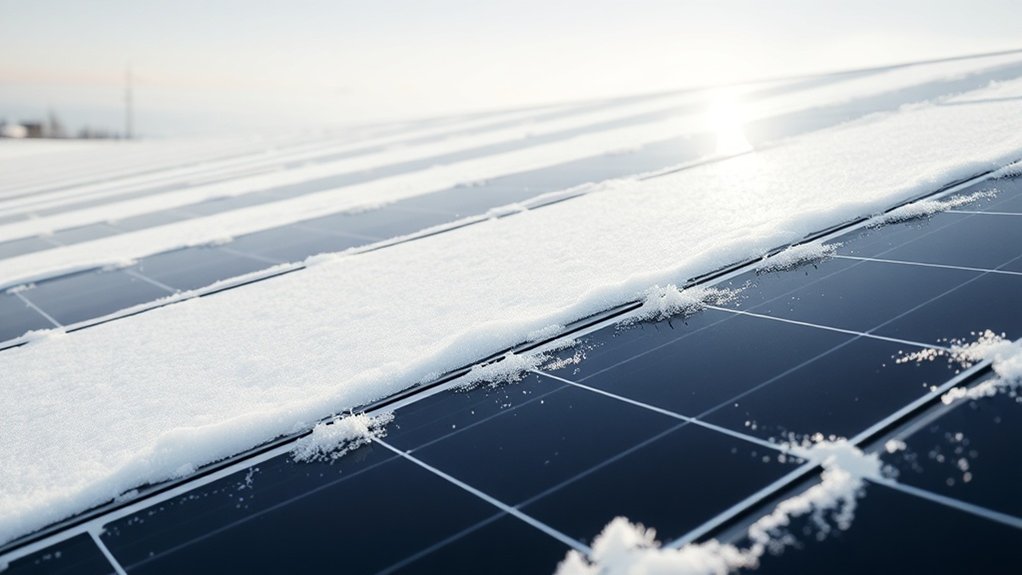
Snow can significantly affect the performance of solar panels by blocking sunlight and temporarily halting electricity generation. However, in the UK, these effects are usually short-lived.
Here are some important points to consider:
- Snow Clearing: Removing thick snow from the panels can quickly restore sunlight exposure and electricity production.
- Albedo Effect: Fresh snow on the ground can reflect sunlight, which may enhance the efficiency of solar panels when they’re clear.
- Installation Angle: Solar panels installed at an angle allow snow to slide off naturally, reducing downtime.
While snow does lower energy output, it doesn’t lead to permanent efficiency loss.
Understanding how snow impacts solar panels can help you maintain them effectively during winter.
Thermal Stress and Its Role in Degradation

Winter can be tough on solar panels, but summer heat brings its own challenges, particularly thermal stress. When temperatures exceed 25°C, panels lose efficiency by around 0.5% for every degree increase, which can lead to performance issues during heatwaves in the UK.
Thermal cycling, which is the repeated expansion and contraction of materials, can create mechanical strain that results in cracking and delamination. This compromises the panels’ integrity.
Silicon modules, in particular, may degrade more quickly in high temperatures, leading to increased power loss. Higher temperatures also worsen internal resistance and corrosion in the electrical components, further reducing efficiency.
Over time, prolonged thermal stress can significantly speed up the degradation of solar panels, affecting their energy output and overall lifespan.
Maintenance Practices to Enhance Lifespan

To maximise the lifespan of solar panels, effective maintenance is essential. Regular upkeep not only maintains energy output but also helps avoid expensive repairs.
Here are three key practices to consider:
- Panel Cleaning: Clean your panels twice a year to remove dirt, debris, and bird droppings that can obstruct sunlight. Use gentle cleaning methods to prevent any damage.
- Inspection Frequency: Carry out annual inspections to check for physical damage, electrical wear, and overall performance. Increase inspections after severe weather events.
- Shading Management: Regularly trim nearby plants to reduce shading and enhance energy yield. Ensure debris is cleared away to keep the panels unobstructed.
Seasonal Variations and Solar Energy Output

Solar panels can generate electricity all year, but their output varies significantly with the seasons due to factors like sunlight duration and solar angle.
Most energy generation—about 70%—occurs between March and August. For example, a 6kWp system might produce around 25 kWh per day in peak summer, but this drops to roughly 4.9 kWh daily in December.
In southern parts of the UK, winter outputs can reach about 30% of summer levels. Additionally, daily performance can fall to just 20-30% of summer peaks in winter.
Understanding these fluctuations is essential for optimising your solar investment and effectively planning for seasonal variations.
End-of-Life Considerations for Solar Panels
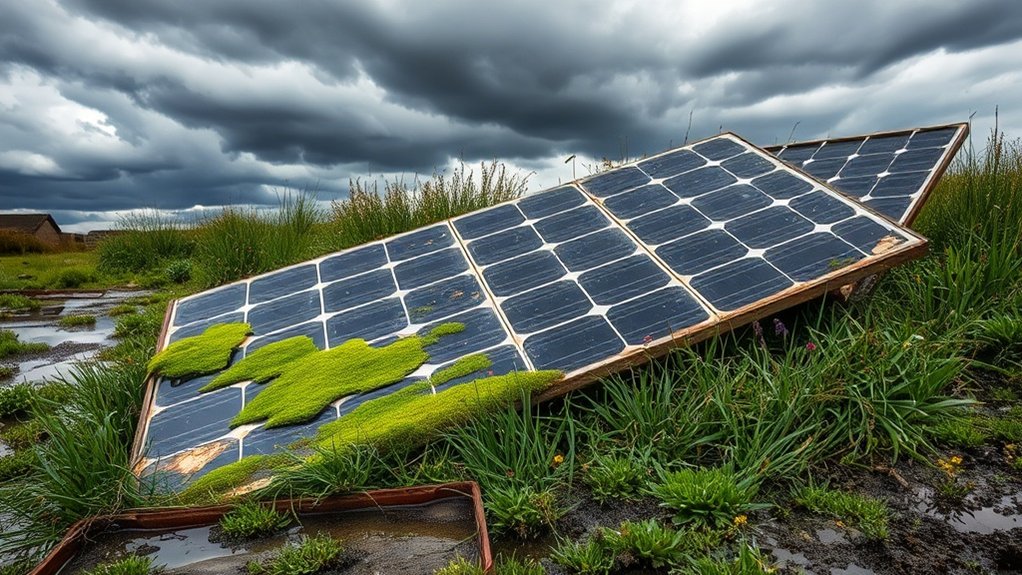
As solar panels reach the end of their lifespan, it’s crucial to understand how to dispose of and recycle them properly for environmental sustainability and to comply with UK regulations.
Here are some key points to consider:
- Producer Compliance: Manufacturers and importers must follow the recycling rules set out in the WEEE Directive, ensuring that old panels are processed correctly.
- Installer Responsibility: It’s the job of installers to collect and manage the disposal of end-of-life panels, making sure they’re handled properly.
- Environmental Protection: Disposing of solar panels correctly prevents harmful contamination and supports a circular economy, where materials are reused rather than thrown away.
Recycling and Sustainability Efforts in the Solar Industry
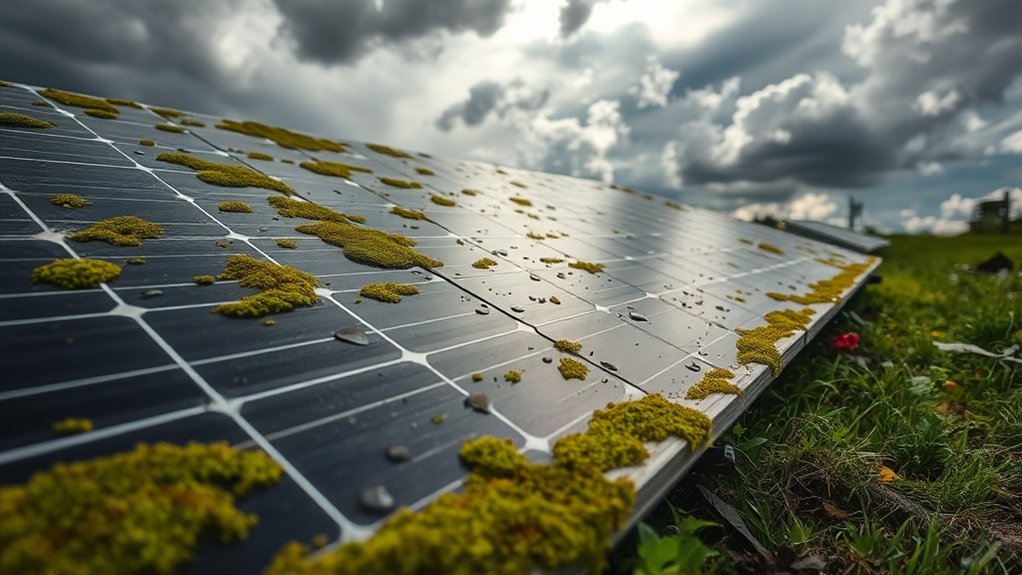
With the rise in solar panel waste and the need for sustainable practices, the solar industry in the UK is stepping up its recycling efforts.
Over the next decade, we expect around 30,000 tonnes of solar panel waste. To tackle this, new recycling technologies are being developed to recover valuable materials such as silicon, silver, and aluminium.
These initiatives not only help prevent environmental damage but could also save up to £11 billion in materials by 2050.
The recycling market is set to expand, offering job opportunities and boosting local economies.
Frequently Asked Questions
How Do Solar Panels Perform During UK Storms or Extreme Weather?
During storms, solar panels are designed to withstand harsh weather conditions. They can still function, albeit at a lower output due to cloud cover. Their sturdy construction helps them resist damage from debris and ensures they stay securely mounted, even in high winds. For example, many panels are tested to endure wind speeds of up to 60 mph. Overall, they perform reliably during extreme weather in the UK.
Can Solar Panels Be Installed on Flat Roofs in the UK?
In the UK, you can install solar panels on flat roofs, which have a combined capacity of around 15GW. To maximise energy production, it’s essential to orient the panels correctly. This ensures they operate at peak efficiency throughout the year, making the most of available sunlight.
What Warranties Do Solar Panels Typically Come With in the UK?
In the UK, solar panels usually come with three main types of warranties: product, performance, and installation. The product warranty covers any defects in the panels themselves, while the performance warranty guarantees a certain level of efficiency over time. For example, many panels promise to maintain at least 80% of their original efficiency after 25 years. The installation warranty ensures that the system is correctly fitted and will function as intended. Understanding these warranties is crucial for making the most of your solar investment and ensuring the longevity of your panels.
How Does Shade From Nearby Trees Affect Solar Panel Efficiency?
Consider a garden surrounded by tall trees; in much the same way, shade from nearby foliage can severely impact the efficiency of solar panels, potentially reducing their output by as much as 40%. Even a small amount of shade can significantly affect energy production.
Are There Financial Incentives for Solar Panel Installation in the UK?
In the UK, there are several financial incentives for installing solar panels, such as government grants like ECO4 and LA Flex. These schemes significantly reduce installation costs and improve energy efficiency for eligible households, encouraging a more sustainable lifestyle. For instance, a family may save hundreds on their energy bills by taking advantage of these incentives.
Conclusion
In summary, knowing the lifespan of solar panels in the UK is key to getting the most from your investment. On average, solar panels can last over 25 years, with a degradation rate of only about 0.5% per year. This means that after several decades, your panels can still produce around 80% of their original output. With proper maintenance and consideration of local weather conditions, you can ensure they play a part in a sustainable future for years to come.


