

Materials vs. Labor: Breaking Down Roofing Quote Costs
When analysing roofing quotes, you’ll notice that labour often makes up 60% of the total cost, while material prices can vary widely. Labour rates typically range from £150 to £600 per square, depending on the complexity of the roof and regional factors. In terms of materials, options like asphalt or slate can cost anywhere from £60 to £2,500 per square. By understanding these elements, you can ensure you’re getting good value for your roofing project. Keep reading for tips on accurate cost estimation and budgeting.
Key Takeaways
- Labour costs usually make up 50% to 70% of total roofing expenses, significantly affecting project quotes.
- Material prices can vary; for example, asphalt shingles cost between £60 and £110 per square, while premium materials like slate can reach up to £1,300.
- Complex roof designs raise both labour and material costs, as they require skilled tradespeople and additional safety measures.
- Removing old roofing materials can add £1 to £5 per square foot, which can greatly influence the final quote.
- Always obtain multiple quotes to compare labour and material costs, ensuring you get a fair price and quality service.
Understanding Roofing Labor Costs

When planning a roofing project, it’s essential to understand labour costs, as they usually account for around 60% of your total expenses.
For a shingle roof, labour typically ranges from £150 to £250 per square, whereas metal roofs can soar to £300 to £600 per square. Roofing labor constitutes a significant portion of the total roof replacement costs, often between 50% to 70%. Additionally, the complexity of roof design can increase labor costs by 20-30%, making it crucial to factor in when budgeting.
Most companies offer clear pricing based on roofing standards, charging either per square or per square foot, which makes it easier for you to compare quotes.
Keep in mind that factors like removing old materials can add an extra £1 to £5 per square foot to your costs.
Having a solid grasp of these labour costs ensures you’re well-prepared and informed when choosing the right contractor for your roofing needs.
Factors Influencing Labor Pricing

Understanding the factors that influence labour pricing is crucial for accurately estimating your roofing project costs. The labour market varies regionally, resulting in different rates across the UK. Economic changes can also affect pricing, impacting workforce availability and the need for specific skills or certifications. For instance, more complex roof designs require skilled workers and additional safety measures, which can drive up costs. The choice of materials matters too; heavier materials need more effort for handling and installation, adding to labour expenses. Additionally, labor costs are measured per square foot, which can vary based on geographic location and roof complexity. Weather conditions can cause delays, further increasing costs, while logistics—like transportation and site cleanup—should not be overlooked. Moreover, labour accounts for approximately 60% of total replacement costs, highlighting its significant impact on the overall roofing budget.
Comparison of Material Costs
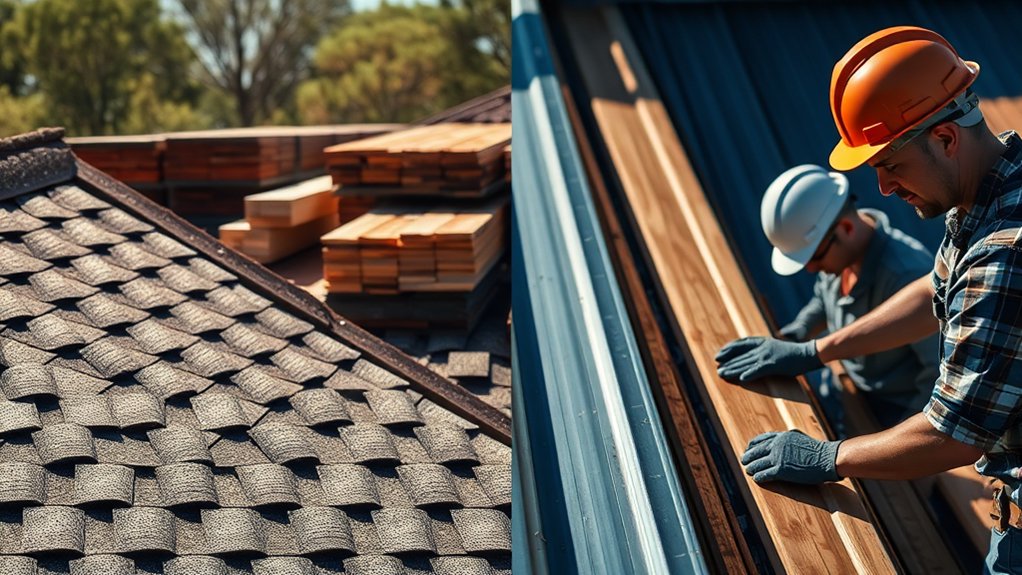
When comparing roofing materials, you’ll find a significant variation in costs, influenced by factors such as durability and visual appeal.
For instance, while affordable asphalt shingles are a common choice, luxury slate can elevate your home’s aesthetic at a higher price. Each material offers different price points and lifespans, impacting your long-term investment. Understanding these differences allows you to balance quality with your budget effectively. Material prices vary significantly based on the type, ranging from $15 to $2,500 per square. Additionally, roof design complexity can further influence the overall costs associated with different materials.
Material Types Overview
Choosing the right roofing material requires comparing costs and lifespan, as each option has its pros and cons. Here’s a summary of popular choices:
- Asphalt: Affordable (£60-£110 per square metre) and low maintenance, with a lifespan of 15-30 years, making it a great choice for budget-conscious homeowners.
- Metal: While more expensive (£80-£600 per square metre), it offers impressive durability (30-80 years) and diverse styles, combining strength with aesthetic appeal.
- Wood: Costs between £250 and £600 per square metre, providing beautiful aesthetics, but needs more upkeep and lasts around 25-30 years.
- Slate and Tile: Slate is exceptionally durable (£500-£1,300 per square metre), while tile options offer lasting beauty (30-200 years) at various price points.
Cost Variability Factors
When assessing the costs of roofing materials, various factors can significantly affect price variability. It’s crucial to consider local conditions and market trends. Being aware of these fluctuations can guide your purchasing decisions.
| Factor | Impact on Cost |
|---|---|
| Regional Variations | Typically higher in urban areas |
| Seasonal Demand | Prices peak in spring and summer |
| Supply Chain Disruptions | Increases material costs |
| Material Lifespan | Premium for long-lasting materials |
For example, if you’re in a bustling city, you might notice roofing materials costing more than in rural areas. Similarly, if you plan a roofing project during summer, be prepared for higher prices due to increased demand. Understanding these factors can help you budget more effectively.
Quality vs. Price
Understanding the relationship between quality and price in roofing materials is crucial for making informed choices. Generally, higher-quality options come with a higher price tag, affecting both short-term and long-term investments.
Here are four key points to consider:
- Lifespan: Premium materials like slate and tile can last much longer than cheaper alternatives such as asphalt.
- Maintenance: Think about ongoing costs; while wood shingles may be cheaper upfront, they often require regular upkeep.
- Durability: Although metal roofs may have a steeper initial cost, they offer excellent resistance to harsh weather.
- Long-Term Value: Evaluate prices not just on initial expenditure, but also on the overall value considering the material’s lifespan.
Finding the right balance between quality and price ensures you make a wise investment for your roofing needs.
Labor and Material Cost Breakdown

When assessing roofing costs, it’s important to distinguish between labour and material expenses for a clearer understanding of the total investment.
For shingle roofs, labour typically ranges from £2.00 to £3.50 per square foot, while metal roofing labour can reach £8.00. Material costs also vary significantly; asphalt shingles are priced between £2.08 and £3.50 per square foot, whereas metal roofing materials can go up to £14.60.
Pricing strategies should account for these differences, as design complexity can affect both labour hours and material requirements.
Keep in mind that highly skilled labour may demand higher rates but can lead to faster and superior results, ultimately influencing your overall roofing project costs.
Regional Variations in Labor Rates
Labour costs for roofing projects can vary significantly across the UK, impacting your overall budget. Understanding these variations is crucial for effective project planning.
Here are four key factors to consider:
- Urban vs. Rural: Labour rates tend to be higher in urban areas due to increased overheads and demand. For instance, hiring a roofer in London may cost more than in a rural town.
- Cost of Living: Areas with a higher cost of living, like the South East, usually have elevated labour rates compared to regions with lower living costs.
- Labour Shortages: In high-demand urban markets, a shortage of skilled roofers can inflate prices further, making it essential to budget accordingly.
- Climate Influence: Regions with milder climates and less frequent roofing work often offer lower labour costs, making them more economical for roofing projects.
Being aware of these factors can help you make informed decisions and manage your roofing expenses more effectively.
Impact of Roof Complexity on Costs
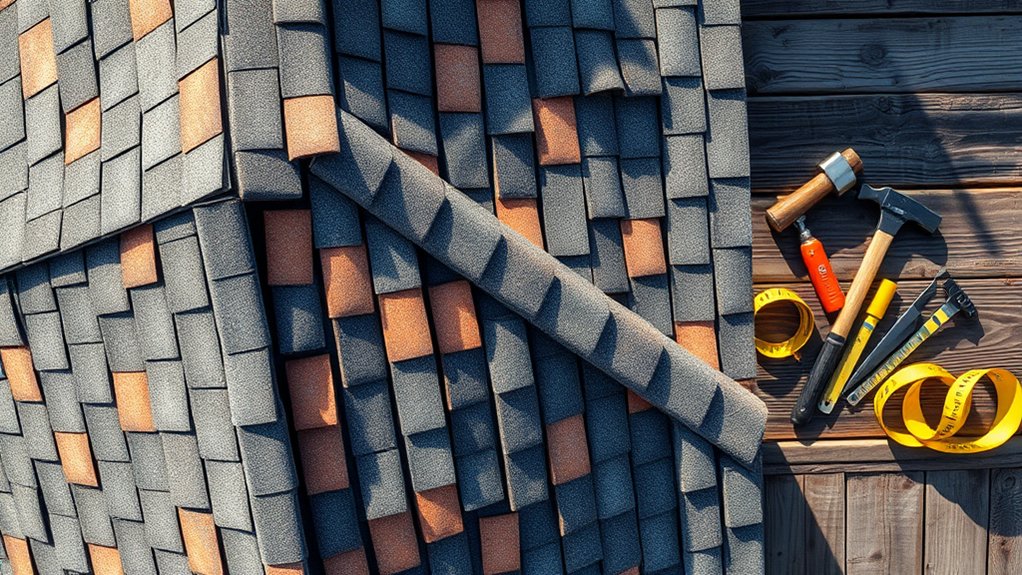
The complexity of a roof significantly affects overall project costs. Intricate designs require more time, specialised skills, and materials.
For instance, multi-level and multi-pitch roofs pose notable installation challenges, leading to increased labour intensity and longer project timelines. Features such as dormers and chimneys add to material requirements and can lead to waste.
Additionally, steep slopes demand extra safety measures and training, which further raises labour costs. Each roofing feature needs precise installation techniques, and mistakes can lead to extra expenses.
Therefore, a complex roof design ultimately drives up costs due to the additional time, effort, and resources needed. It’s crucial to factor in these elements when estimating roofing quotes.
Skill Levels and Their Cost Implications
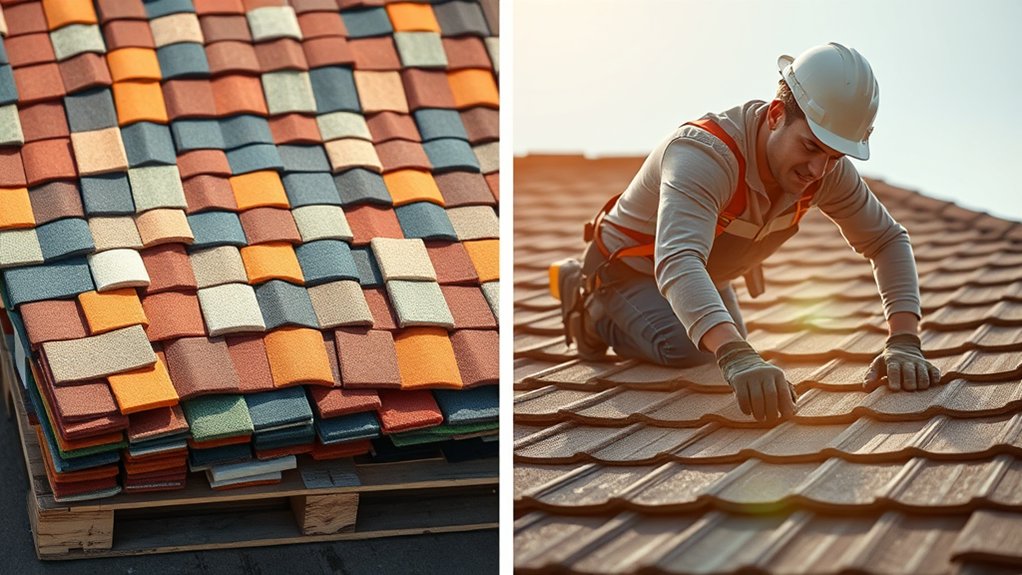
Understanding skill levels and their cost implications is crucial when seeking a roofing quote. The expertise of your roofing team can significantly affect your budget. Here are four key considerations:
- Higher Wages for Skilled Labour: Experienced workers demand higher rates but provide long-term savings through quality workmanship.
- Project Duration: Skilled teams complete jobs more quickly, reducing overall labour hours compared to less experienced crews.
- Complexity of Roofing Jobs: Complex designs require specialised skills, which can justify higher labour costs.
- Labour Shortages: A shortage of skilled workers can drive up wages and potentially delay projects.
Selecting the right skill level influences not only your immediate costs but also the long-term durability and quality of your roofing project.
Budgeting for Roofing Projects
When budgeting for roofing projects, it’s crucial to accurately estimate total costs by considering both material options and labour expenses.
Compare different materials, as they can significantly affect your budget; choices range from economical asphalt to premium slate.
Don’t overlook labour costs, which can vary greatly, particularly in complex jobs or urban areas.
For instance, hiring skilled tradespeople in London may be pricier than in rural regions.
Estimating Total Project Costs
Estimating total project costs for roofing can be daunting, given the various factors that influence the final budget.
To create accurate roofing estimates, consider the following:
- Labour Costs: Generally account for 40-60% of total costs, averaging £20 to £30 per square metre for asphalt shingles.
- Project Scope: Larger roofs often benefit from economies of scale, which can lower costs per square metre.
- Complexity and Accessibility: Steeper slopes or multi-storey buildings may increase both labour time and rates significantly.
- Contingency Margin: Always include an additional 10-15% in your budget for unforeseen issues.
Comparing Material Options
Selecting the appropriate roofing material can significantly influence your project’s budget and its long-term value. Understanding the durability of materials and current pricing trends will aid in making informed decisions.
| Material Type | Cost per Square |
|---|---|
| Asphalt Shingles | £60 to £110 |
| Metal Roofing | £80 to £600 |
| Tile Roofing | £250 to £2,000 |
| Slate Roofing | £500 to £1,300 |
Asphalt shingles are a cost-effective choice but provide moderate durability. Conversely, metal roofs have a higher initial cost yet offer greater longevity. Tile and slate roofs excel in durability but come with a higher price tag. By evaluating these options, you can make a choice that aligns with your budget while considering the long-term value you wish to achieve, ensuring a sound decision for your roofing project.
Understanding Labor Expenses
Choosing the right roofing material is just one aspect of your overall budget; understanding labour costs is equally crucial.
Labour expenses can vary based on several factors that affect efficiency and project timelines. Here are some key points to consider:
- Roof Size: Larger roofs demand more labour, which can significantly raise costs.
- Complexity: Steep pitches or custom features require more time, increasing the price.
- Accessibility: Multi-storey homes can make installation more time-consuming.
- Removal of Old Material: Stripping off the old roof incurs additional charges.
Importance of Multiple Quotes

When you gather multiple roofing quotes, you not only gain a clearer picture of market prices but also discover the distinct services provided by various contractors. The value of these quotes lies in the ability to compare costs and assess quality, helping you avoid overpaying while ensuring you get the best deal.
Each estimate reflects the professionalism and expertise of the contractors, aiding you in making an informed choice. By looking at factors like warranties and included services, you can spot potential long-term savings and any red flags.
Moreover, these quotes give you leverage in negotiations, allowing you to push for better terms. Ultimately, collecting multiple quotes promotes transparency, helping you make a decision that suits your roofing needs and budget.
Seasonal Influences on Roofing Labor
As seasonal weather patterns change, they significantly impact the availability and efficiency of roofing labour in the UK. Here are some key points to consider:
- Winter months typically see a decline in available labour due to cold temperatures and dangerous conditions.
- Spring and summer usually offer greater labour availability as the weather improves.
- Autumn can present variable labour availability, influenced by local climate changes.
- Severe weather events, such as heavy rain or snow, can cause sudden labour shortages, delaying projects.
These seasonal fluctuations can affect both labour costs and project timelines.
Cost Estimation Strategies for Homeowners
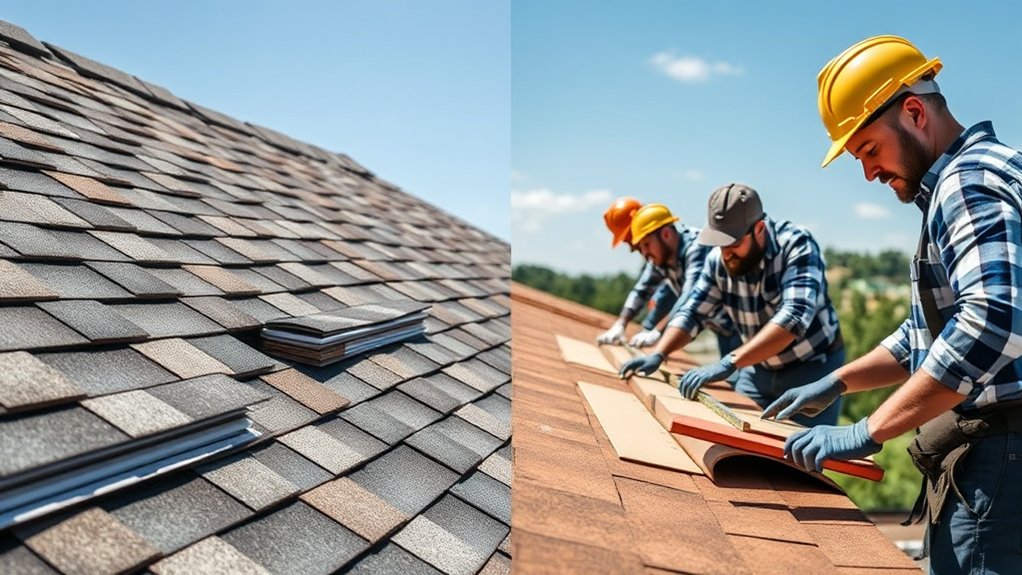
Understanding the costs associated with roofing projects is crucial for homeowners in the UK looking to budget effectively. Start by measuring your roof size, as contractors typically charge per square metre.
Next, consider your choice of materials; options like metal or slate can significantly impact costs. Labour and expertise also play a role, particularly with intricate designs.
Ensure you receive a detailed estimate that breaks down costs, including the types of materials, warranties, and payment terms. It’s wise to obtain multiple quotes to compare both costs and quality, keeping an eye out for hidden charges such as debris removal.
Remember these tips: check contractor reputations and feel free to negotiate based on market rates. By staying informed, you’ll be able to make decisions that benefit both your budget and your home’s value.
Frequently Asked Questions
How Can I Negotiate Labor Costs With My Roofing Contractor?
To negotiate labour costs with your roofing contractor, use straightforward communication techniques. Consider scheduling your work during off-peak periods or bundling multiple projects together to secure a better rate. Additionally, gather quotes from competing contractors to encourage discounts, ensuring you do not sacrifice quality or service. For example, if you’re planning to have a new roof and guttering done, ask if the contractor can offer a discount for completing both jobs at once.
What Should I Ask for in a Roofing Quote?
When requesting a roofing quote, ensure you ask for a detailed breakdown of costs, including the types and brands of materials. Confirm that it includes all essential components and any warranties. This will help you understand your investment and what to expect from the project. For example, if you’re considering slate tiles, check the specific brand and any guarantees that come with them.
Are There Any Hidden Fees in Roofing Estimates?
Yes, there can be hidden costs in roofing estimates. Always ask for a detailed breakdown, paying attention to items like strip-off fees, decking replacement, and underlayment. For instance, if your roof needs extensive repairs, these costs can add up quickly. Clarifying these points ensures you won’t encounter unexpected expenses during the project.
How Long Does a Typical Roofing Project Take?
A typical roofing project in the UK usually takes between 1 to 3 days, depending on the size and complexity of the roof. Weather conditions can affect the schedule, so it’s important to discuss any potential delays or changes with your contractor. For instance, a simple shed roof might be done in a day, while a larger, more intricate house roof could take a bit longer.
What Warranties Should I Expect on Labor and Materials?
Don’t overlook the importance of warranties; you should anticipate a combination of labour guarantees and material coverage. Typically, manufacturer warranties do not include labour costs, whereas contractor workmanship warranties safeguard against installation errors. This ensures comprehensive protection for your roofing investment.
Conclusion
When it comes to roofing, it’s important to understand the balance between materials and labour. The old saying, “You get what you pay for,” holds true in this industry. By carefully analysing quotes, taking regional differences into account, and planning your budget wisely, you can make informed choices that ensure quality work without overspending.
For instance, if you receive a quote that’s significantly lower than others, it’s worth investigating why. It could mean inferior materials or inexperienced labour. Always aim to gather multiple quotes to compare costs and quality, as this can save you money and prevent future headaches. In the end, investing time now will lead to a roof that is both durable and cost-effective.


