

The Lifespan of Different Flat Roofing Systems
The lifespan of flat roofing systems can differ significantly. Built-Up Roofing typically lasts between 20 to 40 years. EPDM, with proper maintenance, can last up to 50 years. Modified Bitumen generally has a lifespan of 15 to 30 years, while TPO also falls within the 15 to 30-year range. Metal roofs are the most durable, often lasting over 40 years and even exceeding 100 years in some cases. Key factors such as the quality of installation and regular maintenance play a crucial role in determining these lifespans. Explore the unique features and maintenance needs of each roofing system for better understanding.
Key Takeaways
- Built-Up Roofing (BUR) typically lasts between 20 to 30 years, with the potential to extend up to 40 years if multiple layers are applied and regular maintenance is carried out.
- EPDM Roofing Systems can last up to 50 years when properly maintained and installed by qualified professionals.
- Modified Bitumen Roofing generally has a lifespan of around 20 years, but regular inspections and upkeep are essential to prevent damage and prolong its life.
- TPO roofing usually lasts between 15 to 20 years, but with quality installation and consistent maintenance, it can be extended to 30 years.
- Metal Flat Roofing can last from 40 to 70 years, with some systems lasting over 100 years, depending on the type of metal used and the level of maintenance provided.
Built-Up Roofing (BUR) Lifespan and Maintenance
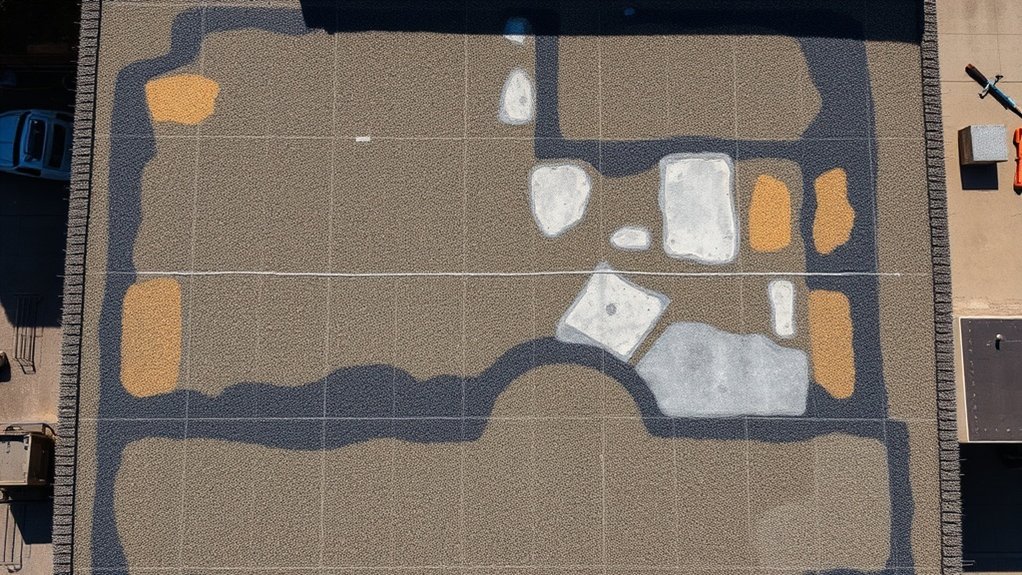
Built-Up Roofing (BUR) systems generally last between 20 to 30 years with proper maintenance, and can even last up to 40 years in ideal conditions.
The key to extending the lifespan of a BUR roof is quality installation and regular maintenance. Each additional layer can add around five years to the roof’s life, with a minimum of three layers recommended. Factors such as roof slope and UV exposure also affect durability. Regular maintenance is crucial for extending roof life.
To ensure longevity, conduct regular inspections to spot blisters or cracks and maintain the aggregate surface to protect the underlying layers. Proper insulation is also vital for enhancing roof lifespan and maintaining consistent temperatures.
It’s essential to keep the roof clear of debris and ensure proper drainage. Applying reflective coatings can further enhance protection, reduce heat absorption, and slow down material ageing, helping your BUR remain effective for years to come.
EPDM Roofing System Durability

When it comes to EPDM roofing systems, several factors affect their lifespan, such as the quality of installation and ongoing maintenance. It’s essential to have certified professionals carry out the installation to ensure durability and avoid premature failures. Regular inspections and prompt repairs are crucial for extending the life of your EPDM roof, particularly in harsher weather conditions. For example, if you spot a small tear or wear, addressing it quickly can prevent more significant issues down the line. The exceptional durability of EPDM roofing membranes allows them to withstand extreme weather conditions, contributing to their long lifespan. Additionally, proper moisture management is vital to prevent issues such as condensation that can compromise the roof’s integrity.
Lifespan Variability Factors
While the EPDM roofing system is well-known for its durability, several factors can affect its lifespan. Key advantages of EPDM include excellent UV resistance and impact absorption, but these can be undermined by environmental conditions and chemical exposure.
Temperature changes can stress the membrane, so proper installation and maintenance are crucial. Regular inspections help catch early damage, and removing debris prevents water pooling, which can speed up wear and tear. Additionally, the average EPDM roofing lifespan can reach up to 50 years with proper care. Metal roofs, by contrast, typically offer a lifespan of 40 to 70 years, making them a strong alternative for long-term durability.
Re-coating the membrane every 10 to 15 years can significantly enhance its lifespan. Additionally, protecting the EPDM system from harsh chemicals and pollutants is vital for maintaining its integrity, ensuring the roof remains effective and resilient for many years, even in tough climates.
Focusing on these aspects will help maximise your EPDM roof’s durability.
Installation Quality Importance
The durability of an EPDM roofing system largely depends on the quality of its installation. Proper techniques are crucial to ensure the membrane adheres correctly, preventing leaks and early failures.
Poor surface preparation can cause significant problems, like trapped moisture and punctures, which jeopardise the roof’s integrity. Before installation, ensure that the area is free of debris and sharp objects to provide a clean, dry surface, which improves adhesion.
Pay close attention to the integrity of seams and details around any penetrations; poorly bonded seams are frequent failure points.
Maintenance and Repair Needs
To ensure your EPDM roofing system remains durable, regular maintenance and prompt repairs are essential. Set up a maintenance schedule with seasonal inspections in spring and autumn to spot any weather-related damage.
Clear away debris such as leaves and twigs to avoid water pooling, and ensure gutters and drains are free from blockages for proper drainage. Conduct quarterly cleanings using compatible cleaners, steering clear of harsh solvents.
Arrange for annual professional inspections, or biannual ones for commercial properties, to assess seam integrity and any structural concerns. Address small punctures and seam separations quickly using effective repair techniques to prevent costly leaks.
Keep a close eye on flashing and insulation saturation to extend your roof’s lifespan and maintain its performance.
Modified Bitumen Roofing Characteristics

Modified bitumen roofing systems are known for their impressive durability and flexibility. Made from asphalt and enhanced with plastic or rubber modifiers, these roofs provide excellent weather resistance and versatile application options. With proper care, they can last between 15 to 30 years, typically averaging around 20 years.
| Characteristic | Details |
|---|---|
| Lifespan | 15-30 years (averaging 20 years) |
| Installation Methods | Torch-down, self-adhesive, cold adhesive, mechanically attached |
| Weather Resistance | Resistant to UV rays and temperature changes |
| Maintenance Requirements | Regular inspections and prompt repairs |
Opting for modified bitumen roofing is a sound choice, offering reliable protection and performance in challenging conditions.
Thermoplastic Polyolefin (TPO) Lifespan

Thermoplastic Polyolefin (TPO) roofing systems typically last between 15 to 20 years under normal conditions.
With proper installation and maintenance, this lifespan can be extended to 25 or even 30 years. TPO is cost-effective and energy-efficient thanks to its reflective surface, which helps reduce cooling costs significantly.
However, it can be prone to damage in extreme weather and may experience seam failures.
TPO is commonly used in commercial and industrial buildings.
To maximise its lifespan, ensure quality installation, conduct regular inspections, and carry out prompt repairs.
When selecting materials, consider performance aspects such as temperature tolerance.
Additionally, TPO has a lower environmental impact compared to some alternatives, making it a sustainable option for modern roofing solutions.
Metal Flat Roofing Longevity

Metal flat roofing systems are known for their impressive longevity, typically lasting between 40 to 70 years, and in some cases, they can last over 100 years.
The lifespan of your metal roof depends on the type of metal chosen and the environmental conditions. Here are three important factors to consider:
- Material: Different metals like steel, aluminium, copper, and zinc offer varying levels of durability.
- Climate: Extreme weather conditions can affect lifespan; for example, roofs in humid regions may need more frequent maintenance.
- Maintenance: Regular inspections and timely repairs are crucial to prevent potential damage.
Choosing metal roofing not only boosts your property’s durability but also supports sustainability in your community.
Factors Influencing Flat Roof Lifespan

When considering the lifespan of your flat roof, three main factors are crucial: the quality of the installation, the prevailing climate, and the frequency of maintenance.
Each of these elements significantly affects how long your roof will last and how well it performs. For example, a properly installed roof in a mild climate may last much longer than one installed poorly in an area with heavy rain.
Installation Quality Impact
The quality of installation is crucial for the longevity of flat roofing systems, as even small mistakes can lead to significant issues down the line.
To ensure your roof lasts, consider these key factors:
- Material Compatibility: Using materials that work well together prevents early failures and ensures better adhesion.
- Contractor Expertise: Skilled contractors follow installation standards, sealing seams and edges accurately to avoid leaks.
- Installation Environment: Opting for suitable weather conditions reduces risks like trapped moisture and enhances overall strength.
Climate Effects
Understanding how climate impacts flat roofing systems is crucial for prolonging their lifespan. Your roof’s durability can significantly differ based on climate zones and seasonal variations.
In areas with extreme temperatures, materials can expand and contract, leading to cracks and leaks. In sunny regions, prolonged UV exposure deteriorates membranes, while heavy rainfall can result in water ingress and promote mould growth.
Wind and storms can cause physical damage, increasing the need for repairs. Additionally, local factors such as pollution and debris from nearby trees can accelerate wear and tear.
Maintenance Frequency
Climate affects the lifespan of flat roofing systems, but maintenance frequency is just as crucial for their durability.
To ensure your roof lasts, follow these guidelines:
- Set inspection schedules: Check your flat roof every three months, especially in areas where water tends to pool.
- Use maintenance checklists: Carry out biannual maintenance, including cleaning gutters, inspecting sealants, and removing debris to prevent mould and algae growth.
- Address damage quickly: Increase your inspection frequency if you spot leaks, blisters, or corrosion, as these problems can worsen rapidly.
Climate Effects on Roofing Systems

As weather patterns change due to climate change, the impact on flat roofing systems becomes more evident. Increased rainfall can lead to standing water, raising the risk of leaks and structural damage.
Extreme temperatures cause roofing materials to expand and contract, which can result in cracks and reduced durability. Additionally, UV radiation speeds up material degradation, making it essential to use reflective and UV-resistant roofing options to improve climate resilience.
In colder areas, freeze-thaw cycles can wear down materials, increasing the need for specialised roofing solutions.
To tackle these issues, focus on proper drainage design, regular maintenance, and choosing materials that are built to last.
Importance of Quality Installation
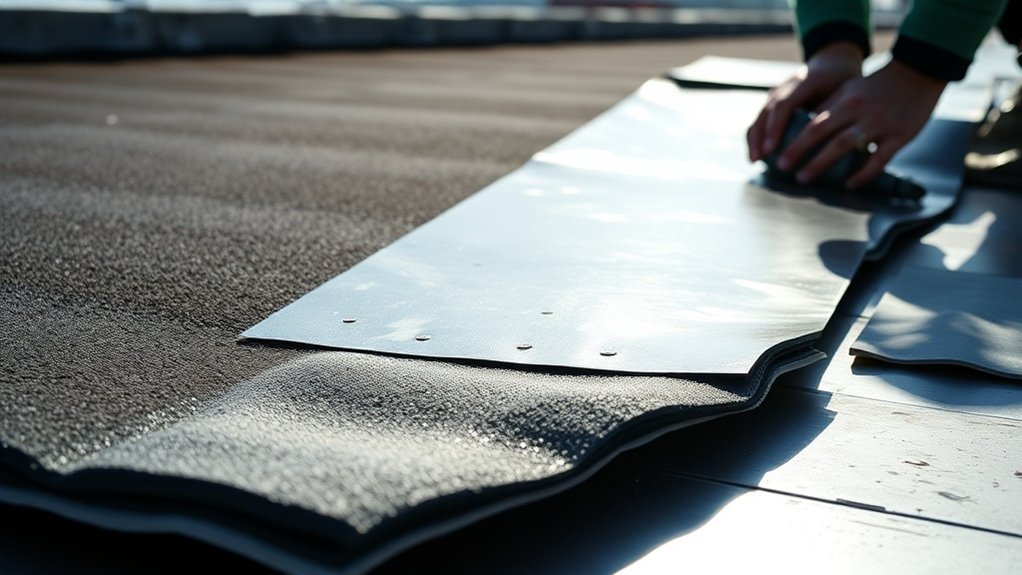
When it comes to flat roofing systems, the installation methods you choose directly affect your roof’s lifespan.
Opting for professional installation instead of a DIY approach ensures you benefit from skilled workmanship and adherence to manufacturer guidelines, which are vital for long-term performance.
For instance, using the right materials suited to your specific roofing needs can significantly enhance durability and resistance to leaks.
Installation Techniques Impact Lifespan
Quality installation techniques are crucial for the lifespan of flat roofing systems, ensuring they perform well and last longer. Here are some key aspects to consider:
- Surface Preparation: Thoroughly cleaning and treating the substrate improves adhesion and helps prevent early material failure due to moisture.
- Seam Integrity: Using reliable adhesion methods, like heat-welding, creates water-tight seams, minimising the risk of leaks and extending the roof’s life.
- Drainage Systems: Installing proper slopes and effective drainage prevents water pooling, which can speed up deterioration.
Additionally, reinforcing edges and paying attention to flashing details helps safeguard against wind uplift and water ingress.
Regular quality control and inspections after installation can catch potential issues early, saving money in the long run.
Professional Versus DIY Approach
Many homeowners might think about taking the DIY route for flat roofing, but hiring a professional is crucial.
DIY can come with risks, like poor safety measures, which can lead to accidents and hidden problems that affect your roof’s durability.
Professionals offer expertise and quality assurance, ensuring that work meets building regulations and reduces long-term costs with warranty coverage. They conduct thorough inspections to spot and fix potential issues early, saving you money in the future.
While DIY may seem cheaper at first glance, a proper cost analysis reveals that the advantages of hiring a professional—such as efficiency and long-term savings—far outweigh any short-term savings.
Investing in a professional installation not only extends your roof’s lifespan but also protects your home from future damage.
Material Selection Matters
Selecting the right materials for your flat roofing system is crucial for its lifespan and performance. Here’s why material choice is important:
1. Material Durability: Quality membranes such as TPO, PVC, and EPDM can last between 20 to 30 years.
Premium options like standing seam metal roofs can extend that lifespan to 30-50 years.
2. Cost Considerations: Investing in durable materials can save you money in the long run by reducing repair costs and preventing premature failures.
3. Installation Quality: Proper installation is vital.
Skilled professionals ensure effective waterproofing, minimising the risk of leaks and drainage problems.
Regular Inspection and Maintenance Practices

Regular inspection and maintenance are crucial for prolonging the lifespan of flat roofing systems. Aim for professional inspections twice a year, paying close attention to key areas such as drains and flashings. If you live in an area with harsh weather, consider annual checks to catch potential problems early.
Develop a maintenance checklist that includes removing debris, ensuring clear drainage, and making timely repairs. Use soft-bristle brooms for cleaning, as high-pressure washing can damage the roofing membrane. Address any small punctures or cracks immediately, and re-seal seams every two to three years.
Before winter, clear away debris and adjust your maintenance routine according to local climate conditions. Consistent and proactive care will help keep your roof in good condition and extend its lifespan.
Ventilation and Its Impact on Roof Integrity
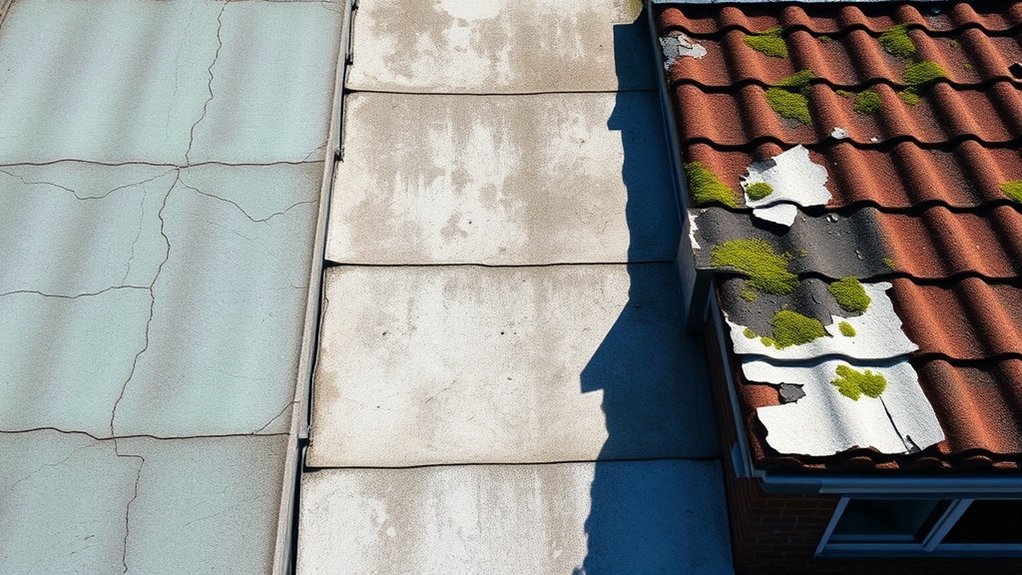
Effective ventilation is crucial for preserving the integrity of flat roofing systems, as it significantly impacts temperature control and moisture management.
Here are the key benefits of proper ventilation that contribute to longer-lasting roofs:
- Temperature Control: By reducing heat build-up, ventilation helps prevent damage to roofing materials, extending their lifespan.
- Moisture Management: Good airflow minimises dampness, which in turn reduces the likelihood of mould and rot developing.
- Energy Efficiency: Enhanced ventilation lessens the strain on heating and cooling systems, leading to reduced energy bills.
In short, ensuring your flat roof is well-ventilated is a smart move for both durability and cost savings.
Roof Design Considerations for Longevity

Ventilation is crucial for maintaining the integrity of flat roofing systems, but roof design significantly impacts longevity as well.
Effective drainage is key; ensure a slight slope to prevent water pooling, which can damage materials over time. Installing appropriate scuppers and drains that suit your local rainfall patterns will help manage stormwater effectively.
Don’t overlook thermal insulation beneath your roof. It helps maintain stable internal temperatures, reducing stress from expansion and contraction, and boosts energy efficiency.
Choosing UV-resistant materials is also vital to protect your roof from harsh sunlight.
Frequently Asked Questions
How Do Flat Roofing Systems Compare in Cost Over Their Lifespan?
When analysing costs, lifespan comparisons show notable differences. PVC and metal roofs, although more expensive upfront, offer longevity and reduced replacement costs. In contrast, Torch Down roofs may require frequent replacements, leading to higher overall expenses.
What Signs Indicate It’s Time to Replace a Flat Roof?
Is your roof showing signs of trouble? Look out for indicators such as persistent stains, deterioration of the membrane, and sagging in the structure. If you observe these problems, it may be time to consider replacing your flat roof for safety and durability.
Can Flat Roofs Be Installed on Sloped Buildings?
Yes, flat roofs can be installed on sloped buildings, provided the correct installation methods and drainage solutions are implemented. Adjusting the framing and using tapered insulation are crucial to ensure effective water management and avoid pooling issues.
What Are the Environmental Impacts of Different Flat Roofing Materials?
Sustainable practices in flat roofing materials can significantly lessen environmental impacts. For instance, the production of asphalt is energy-intensive, whereas metal roofing is highly recyclable. EPDM, known for its energy efficiency, underscores the importance of choosing materials that prioritise sustainability and minimise waste.
How Does Roof Color Affect Energy Efficiency in Flat Roofing?
Roof colour has a significant effect on energy efficiency in flat roofing. Dark colours absorb more heat, leading to increased cooling requirements, whereas lighter shades reflect sunlight, reducing heat gain. This can result in improved indoor comfort and lower energy costs for residents. For instance, a white or light grey roof can keep a building cooler during hot summer months, ultimately saving on air conditioning expenses.
Conclusion
Just like a well-kept garden, your flat roofing system needs proper care to thrive. By understanding the lifespan of different materials and investing in quality installation and regular maintenance, you’re ensuring the longevity of your building. Each roofing type has its own benefits, much like plants with specific care needs. With regular inspections and careful design, you can ensure your roof remains strong, resisting harsh weather and lasting for years to come.


