
Top Roof Repair Mistakes to Avoid
To avoid common roof repair mistakes, always hire qualified professionals to ensure safety and compliance. Misdiagnosing issues can lead to expensive, ongoing problems, so conduct thorough inspections. Use high-quality materials that are appropriate for your roof type, and be mindful of correct installation techniques. Don't overlook essential components or safety measures, and stay updated on local building regulations. Paying attention to these details will save you both time and money. For more essential tips on keeping your roof in good condition, keep reading.
Key Takeaways
- Hire qualified, licensed contractors to avoid expensive repairs and ensure compliance with safety regulations during roof repairs.
- Carry out comprehensive inspections to pinpoint underlying issues instead of merely addressing surface problems.
- Choose high-quality materials appropriate for your roofing type and local weather conditions to improve longevity.
- Follow local building regulations and obtain necessary permits to avoid legal complications and safeguard your property's value.
- Schedule regular maintenance to prevent significant damage and enhance energy efficiency.
Hiring Unqualified Labor
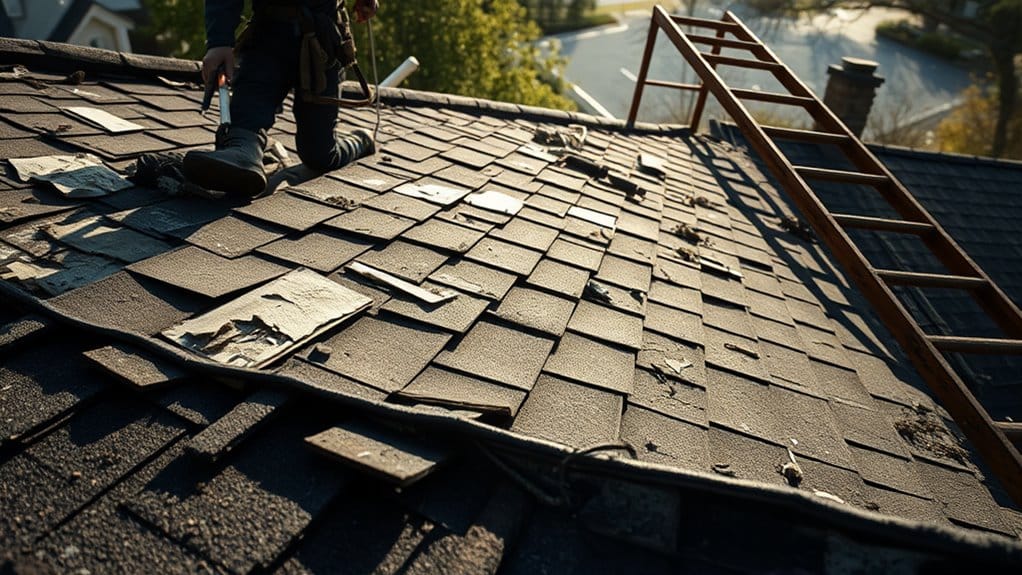
When you need roof repairs, hiring unqualified workers can lead to numerous issues that may not be obvious at first. Poor communication and lack of supervision can cause misunderstandings regarding the work required. Unlicensed roofers often lack the essential skills for quality repairs, which can result in higher long-term costs due to the need for repeated fixes. Without proper insurance, you risk financial loss if accidents happen during the job. Furthermore, unqualified workers may neglect safety standards, endangering both your property and their own wellbeing. To protect your investment and ensure peace of mind, always opt for licensed and insured professionals who prioritize quality and customer satisfaction. Additionally, it is crucial to conduct thorough research to ensure you hire the best possible contractor for your roofing needs. Remember, verifying the contractor's credentials and certifications can safeguard against potential risks associated with unqualified labor.
Misdiagnosis of Issues

Misdiagnosing issues with your roof can result in expensive and ongoing problems that jeopardise your investment. To prevent misdiagnosis, it's vital to employ effective inspection techniques and have a solid understanding of your roofing system.
Here are some common pitfalls to avoid:
- Addressing symptoms instead of the root cause, such as neglecting inadequate ventilation.
- Failing to conduct comprehensive inspections of both the interior and exterior of the roof.
- Ignoring signs in the attic, like moisture, which can mislead your diagnosis. Regular inspections can help identify early signs of damage and maintain the integrity of your roof.
- Incorrectly identifying water entry points, leading to worsened issues. Additionally, improper slope can significantly contribute to drainage problems, so ensuring the right shingles for your roof's pitch is essential.
Inadequate Materials
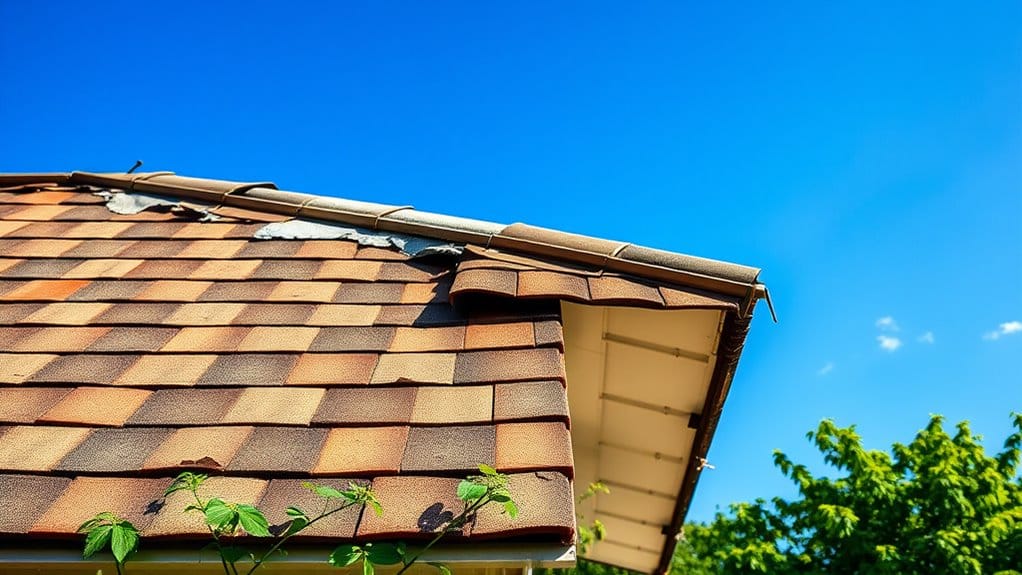
Choosing the right materials for roof repairs is essential; otherwise, you risk compromising your entire roofing system. Poor material selection can lead to structural problems, reduced durability, and early repair failures.
While opting for cheaper, mismatched materials may seem cost-effective initially, it often results in frequent repairs, wood rot, and leaks, ultimately affecting the roof's appearance. Additionally, regular inspections by professionals can help identify the most suitable materials for your specific roofing needs. Selecting high-quality materials can also help you avoid unexpected structural issues that may add 5-10% to total costs.
Using incompatible materials can also void warranties and drive up maintenance costs. To ensure longevity and performance, it's important to select high-quality materials that match your existing roofing system in type and colour.
Additionally, make sure the materials are suitable for your specific climate and roofing type to maintain durability and visual appeal. Prioritising quality will benefit both you and your roof in the long run.
Incorrect Installation Techniques

When it comes to roof repairs, incorrect installation techniques can cause serious issues later on.
For instance, misaligned tiles and poorly fitted flashing can undermine the roof's structure and heighten the risk of leaks.
Proper alignment and installation are crucial for ensuring your roofing system lasts and performs well. Additionally, understanding roofing materials is essential to choose the right options that will ensure long-term durability.
Shingle Alignment Issues
Shingle alignment issues often arise from incorrect installation methods, which can jeopardise the integrity of your roof. Misalignment can result from poor nailing or insufficient ventilation, affecting both functionality and appearance.
When shingles are misaligned, you risk:
- Gaps that allow water to seep in, leading to leaks
- An unattractive look that detracts from your home's curb appeal
- A higher likelihood of shingles blowing off during storms
- A reduced lifespan for your roofing materials
To prevent these problems, regular inspections and prompt repairs are essential. Additionally, maintaining proper flashing is crucial to prevent water ingress and protect your roof's integrity.
Hiring professional contractors ensures proper alignment and installation, protecting both the function and appearance of your roof for years to come.
Flashing Installation Mistakes
Flashing installation mistakes can severely compromise your roof's integrity, leading to expensive repairs later on.
Using unsuitable flashing materials, such as plastic instead of metal, can cause premature wear and galvanic corrosion. Poor sealing can result in water leaks, risking substantial damage.
Ensure that flashing is securely fastened with appropriate fixings and that there's adequate overlap to avoid weak spots. Remember to account for thermal expansion; materials need to adapt to temperature changes to prevent gaps and leaks.
Always identify and fix the underlying causes of flashing problems. Hiring professionals for thorough inspections and effective flashing maintenance can help prevent recurrent issues, keeping your roof strong and watertight for years.
Neglecting Essential Components
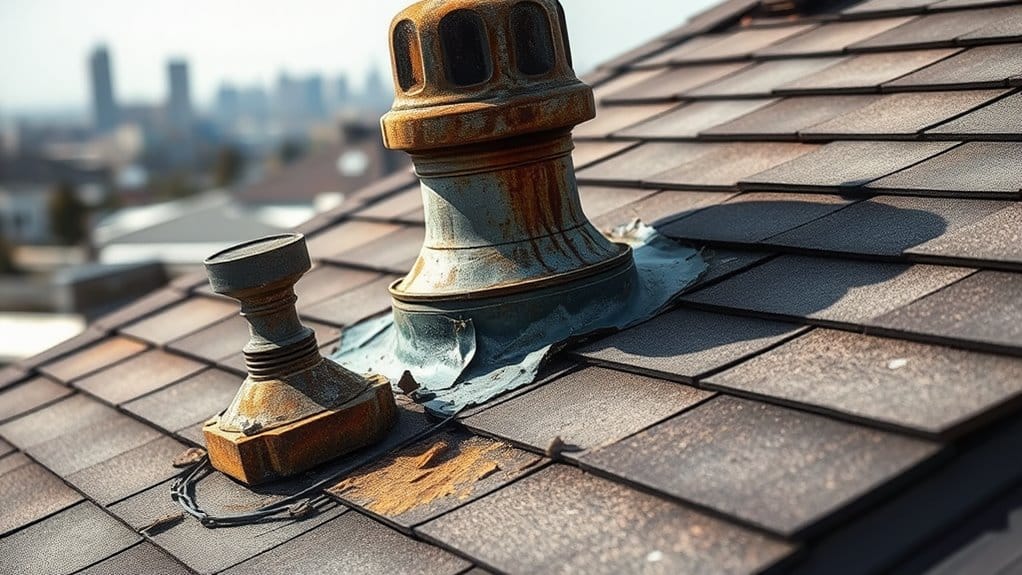
When repairing your roof, don't forget crucial elements like permits, manufacturer guidelines, and proper ventilation.
Ignoring these can compromise your work and lead to expensive problems later on.
For instance, failing to follow ventilation guidelines can cause dampness and mould.
Ensuring compliance with these factors is essential for a safe, durable roof.
Importance of Roof Permits
While it may be tempting to bypass the roofing permit process, doing so can have serious consequences. Obtaining a permit is crucial for ensuring compliance with local building regulations, which helps protect your investment and property value.
Here are some key benefits of securing a roofing permit:
- Legal protection: Following regulations can save you from fines and the need for future remedial work.
- Safety assurance: Inspections ensure your roof adheres to essential safety standards.
- Insurance coverage: Many insurers require proof of permits before processing claims.
- Long-term savings: Prevent potential issues and costly repairs in the future.
Following Manufacturer Guidelines
Neglecting key components during roof repairs can lead to serious long-term problems that jeopardise safety and structural integrity. Ensuring compliance with manufacturer guidelines is vital; ignoring specifications may void warranties and lead to expensive repairs down the line. Following guidance on material selection, installation techniques, and proper documentation is essential.
| Essential Component | Importance |
|---|---|
| Drip Edge Installation | Prevents water from getting in |
| Proper Flashing | Crucial for preventing leaks |
| Roof Sheathing | Ensures structural stability |
For instance, without a proper drip edge, rainwater can seep under the tiles, causing damage over time. Similarly, inadequate flashing can lead to leaks at joints, and weak sheathing may compromise the entire roof's strength. Always stick to the guidelines to keep your roof safe and sound.
Ensuring Adequate Ventilation
Ensuring adequate ventilation is vital for the health of your roof and attic, as it plays a key role in regulating temperature and controlling moisture.
Poor ventilation can lead to serious problems, such as structural damage and mould growth.
To ensure optimal performance, consider the following:
- Install soffit vents to allow cool air to enter.
- Incorporate ridge vents to effectively expel hot air.
- Maintain a balanced ventilation system with the correct ratio—1 square foot of vent area for every 300 square feet of attic space.
- Select the appropriate ventilation types, whether passive or active, to meet your roof's requirements.
Delayed Maintenance and Repairs
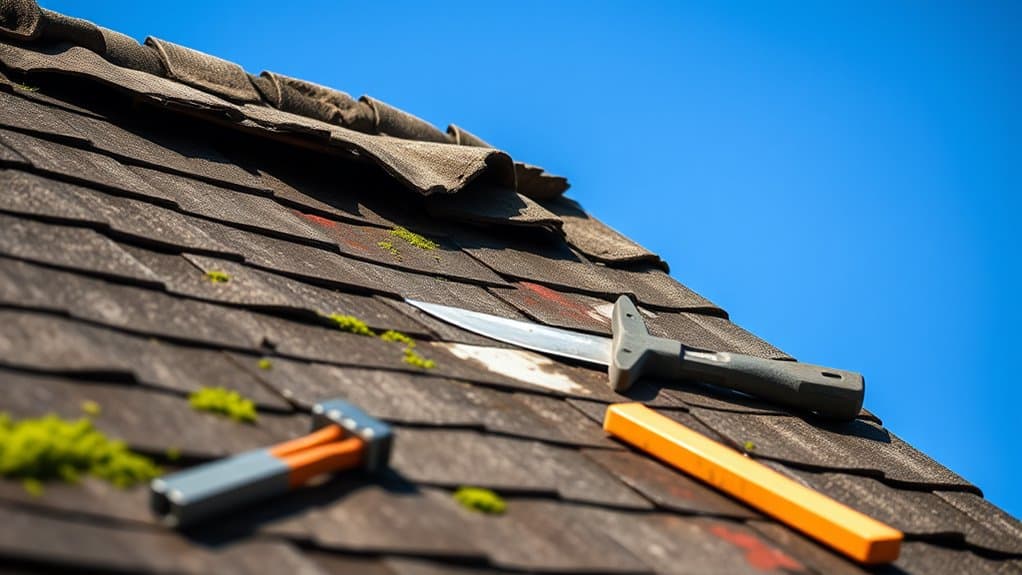
Putting off roof maintenance and repairs isn't just a minor inconvenience; it can lead to serious issues that escalate quickly. Delaying these important tasks could result in water damage, which may compromise the structural integrity of your home and increase repair costs.
A damaged roof also affects insulation, causing your energy bills to rise as heating and cooling systems work harder. Additionally, gaps can let in pests, creating further damage and potential health risks.
To ensure your roof lasts, it's vital to stick to a regular maintenance schedule. Tackling small issues promptly can prevent them from turning into expensive repairs and helps protect your property's value.
Proactive maintenance also guards against mould and structural hazards, creating a safer environment for everyone in your home. Don't let neglect threaten your investment and wellbeing.
Insufficient Safety Measures
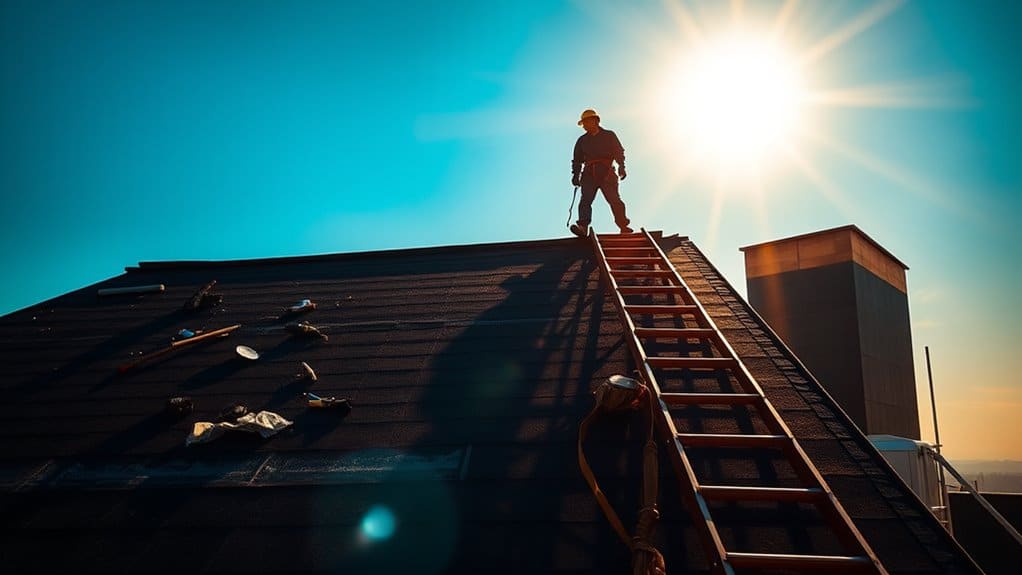
Three vital safety measures can significantly reduce the risk of accidents during roof repairs.
Firstly, always wear the appropriate safety gear, including fall protection harnesses, hard hats, gloves, and non-slip footwear.
Secondly, ensure your work area is well-prepared by removing debris and identifying potential hazards, such as overhead power lines.
Lastly, invest in safety training programmes to ensure you and your team can spot and manage risks effectively.
- Have a clear communication plan for emergencies.
- Conduct regular safety checks on equipment and the work area.
- Ensure all safety gear is in good condition before starting work.
- Always check weather conditions to avoid unsafe situations.
Ignoring Local Codes

Neglecting local building regulations during roof repairs can have serious repercussions. Not adhering to these codes can lead to legal troubles, such as fines and issues with insurance claims.
If your repairs aren't compliant, your insurance may refuse to pay out, leaving you in a financially precarious position. Furthermore, ignoring these regulations can compromise the structural integrity of your roof, potentially resulting in expensive repairs down the line.
To avoid these pitfalls, it's wise to consult experienced contractors and keep detailed compliance records. Stay updated on any changes to building codes and ensure all necessary permits are obtained before commencing work.
Frequently Asked Questions
How Can I Find a Qualified Roofing Contractor?
To find a qualified roofing contractor, check their roofing certifications, read reviews from previous clients, and ask for referrals. This ensures you're choosing someone reputable and skilled, leading to a successful roofing project that meets your requirements. For instance, a contractor with a strong presence on review sites or one recommended by friends can often be more trustworthy.
What Are the Signs of a Roof Needing Immediate Repair?
If you spot damp patches on your ceilings or have cracked or missing tiles, it's crucial to take action. These signs can suggest water damage and a weakened roof structure. Tackling these problems quickly can help you avoid more expensive repairs in the future.
How Often Should I Inspect My Roof?
You should inspect your roof at least once every two years. For better upkeep, aim for an annual check or inspect it after severe weather to identify any issues early and ensure your roof lasts longer.
What Is the Average Lifespan of a Roof?
The average lifespan of a roof varies significantly depending on the materials used. Asphalt shingles typically last between 20 to 30 years, whereas metal roofs can last from 30 to 45 years. Choosing high-quality materials is essential for extending the life of your roof and safeguarding your investment.
Do I Need a Permit for Roof Repairs?
Do I Need a Permit for Roof Repairs?
Getting a permit for roof repairs can be quite tricky, as it varies across different regions. It's essential to check the specific regulations in your area to ensure you're compliant before beginning any work. For instance, if you're replacing tiles on a listed building, you will likely need permission. However, simple repairs like fixing a leak might not require a permit. Always do your homework to avoid any issues later on.
Conclusion
In roofing, every decision is crucial, much like a game of chess. To keep your roof in excellent condition and protect your home for years, avoid these common mistakes. It's essential to hire qualified professionals, use appropriate materials, and adhere to local regulations. Neglecting these can lead to expensive repairs in the future. Stay proactive, and your roof will serve you well, just like a knight defending its king on the chessboard.