

Do You Get a Guarantee With a New Roof
Yes, you typically get a guarantee with a new roof.
These guarantees come in two main types: material warranties and workmanship warranties. Material warranties cover product defects and can last 10 to 30 years, whilst workmanship warranties protect against installation issues for 2 to 10 years.
It’s essential to obtain written documentation of your guarantee, as it provides legal protection and can enhance your property’s value. The specific terms, duration, and coverage can vary greatly between contractors and manufacturers.
To fully benefit from your roof guarantee, you’ll need to understand its limitations, transferability, and maintenance requirements.
Key Takeaways
- New roofs typically come with guarantees, including material warranties and workmanship warranties.
- Material warranties cover product defects and can last 10-30 years, whilst workmanship warranties cover installation issues for 2-10 years.
- Written documentation is essential for warranty validity, detailing coverage, terms and conditions.
- Some guarantees are transferable to new homeowners, though fees and restrictions may apply.
- Proper maintenance and prompt communication of issues are crucial for maintaining warranty validity.
Types of Roof Guarantees
Several types of roof guarantees exist to protect homeowners’ investments. The two main categories are material warranties and workmanship warranties.
Material warranties cover defects in the roofing products themselves, typically lasting between 10 to 30 years, depending on the manufacturer. These guarantee that the shingles, tiles, or other roofing materials meet quality standards and perform as expected. When considering roofing material options, it’s important to compare costs and durability alongside warranty offerings to make an informed decision.
Workmanship warranties, on the other hand, protect against installation-related issues. These generally range from 2 to 10 years and cover problems that may arise due to improper installation techniques or errors made by the roofing contractor. It’s vital for homeowners to verify that both material and workmanship warranties are included in their roofing contract to guarantee thorough protection.
We also recommend considering insurance-backed guarantees, which provide an additional layer of security. These guarantees ensure coverage even if the contractor goes out of business, offering peace of mind for long-term protection.
Regardless of the type of guarantee, it’s essential to obtain written documentation that clearly outlines the coverage and terms. This documentation will be invaluable if you ever need to make a claim or transfer the warranty to a new homeowner.
Typical Guarantee Duration

Typical guarantee durations for new roofs can vary widely, ranging from 2 to 30 years. This variation depends on several factors, including the type of warranty, the contractor’s policies, and the roofing materials used.
We’ll break down the common warranty durations you can expect.
Workmanship warranties, offered by roofing contractors, typically cover installation-related issues. These guarantees usually last between 2 and 10 years, providing protection against errors in the roof’s installation.
Material warranties, on the other hand, are provided by manufacturers and can extend up to 30 years. These warranties specifically cover defects in the roofing products themselves. The longevity of these warranties often correlates with the durability of the materials used, with slate roofs lasting 50-100 years and offering some of the most extended protection periods.
For those seeking additional security, insurance-backed guarantees are available. These typically last for 10 years and offer protection against contractor non-compliance.
It’s important to note that warranty variations exist, and the specific terms can differ notably between contractors and manufacturers.
To guarantee thorough coverage, we strongly recommend clarifying the exact terms and duration of any guarantee with your contractor before work begins. This step is vital in understanding what’s covered, for how long, and under what conditions, helping you make an informed decision about your new roof’s protection.
What Guarantees Usually Cover

Having explored the typical duration of roof guarantees, let’s examine what these warranties actually cover. New roof guarantees typically encompass two main types: material warranties and workmanship warranties.
Material warranties protect against defects in the roofing products themselves, whilst workmanship warranties address any issues related to the installation process. Professional roofing services often include warranty protection, ensuring compliance with local building regulations and standards. This additional layer of security can provide peace of mind for homeowners investing in a new roof.
Material warranties often include the replacement of defective materials at no cost within the specified period. However, it’s vital to note that these warranties may have exclusions for damages incurred during installation or caused by external factors.
Workmanship warranties, on the other hand, cover problems arising from improper installation techniques.
When reviewing your roof guarantee, pay close attention to the coverage specifics. A well-written warranty should clearly outline what constitutes a defect and detail the claims process.
It’s essential to obtain written documentation of these guarantees, as they serve as proof of coverage and protect your rights in case of disputes. By understanding the scope of your roof guarantee, you’ll be better equipped to maintain your roof and address any issues that may arise during the warranty period.
Importance of Written Documentation

We can’t overstate the importance of written documentation for your new roof guarantee. It provides concrete proof of work completed and offers legal protection, ensuring your rights are safeguarded in case of disputes or issues.
Detailed inspection reports with photographs and recommendations are essential for maintaining a thorough record of your roof’s condition and any work carried out.
Additionally, having formal documentation can benefit you during future property sales, as it verifies the quality and reliability of the roofing services provided.
Proof of Work Completed
When it comes to roofing projects, written documentation is your best mate. It serves as essential proof of work completed, ensuring you have a tangible record of the roofing services provided. This documentation is vital for several reasons.
Firstly, it protects your rights as a homeowner. In case of disputes or issues with the work, formal guarantees provide a solid basis for warranty claims. Without written proof, you may find yourself limited in legal recourse if problems arise.
Secondly, documented work is invaluable for future property sales. Potential buyers often request evidence of quality renovations, including roof inspections and associated guarantees. Professional roofing services typically include accurate estimates and warranty protection, ensuring compliance with local building regulations and standards.
We can’t stress enough the importance of insisting on written guarantees before making final payments. Verbal agreements simply don’t offer the same level of protection. Ensure these guarantees are clearly detailed in written estimates, outlining the scope of work and any warranties associated with your roofing project.
Legal Protection Assurance
Legal protection assurance stands as a cornerstone of any roofing project. Written guarantees are essential for safeguarding homeowner rights and ensuring legal recourse in case of disputes. Without proper documentation, we may face significant challenges when claiming repairs or refunds related to roofing work.
Professional roofing services often include warranty protection and accurate estimates, ensuring compliance with local building regulations and standards. This additional layer of assurance further strengthens our legal position.
To protect ourselves effectively, we must insist on written guarantees that clearly outline:
- Scope of coverage
- Duration of the guarantee
- Any limitations or exclusions
These documents serve as proof of work completed and provide assurances against future issues. We’ve the right to demand written guarantees if promised, as verbal agreements often limit our legal options in disputes.
Proper documentation, including guarantees, is vital for maintaining and potentially increasing our home’s resale value. Potential buyers often request evidence of previous work and warranties, making these documents invaluable during the selling process.
Future Property Sale Benefits
In light of future property sales, written documentation of roof guarantees plays an important role. We can’t overstate the significance of having proper paperwork when it comes to enhancing property value and boosting buyer confidence.
A well-documented roof guarantee serves as tangible proof of quality and longevity, greatly increasing a property’s appeal to potential buyers. This documentation becomes particularly vital for high-value roofing materials like slate, which can last 50-100 years and represent a considerable long-term investment.
When selling a home, we often encounter buyers who request paperwork related to warranties and guarantees. Having these documents readily available streamlines the sale process and demonstrates our commitment to transparency.
Furthermore, written guarantees provide essential evidence of compliance with building regulations, which is a key factor during property inspections.
We must emphasise that the absence of proper documentation can have adverse effects on a property’s value. It may complicate claims for repairs or refunds, potentially leading to disputes over work quality.
Manufacturer Vs Contractor Guarantees
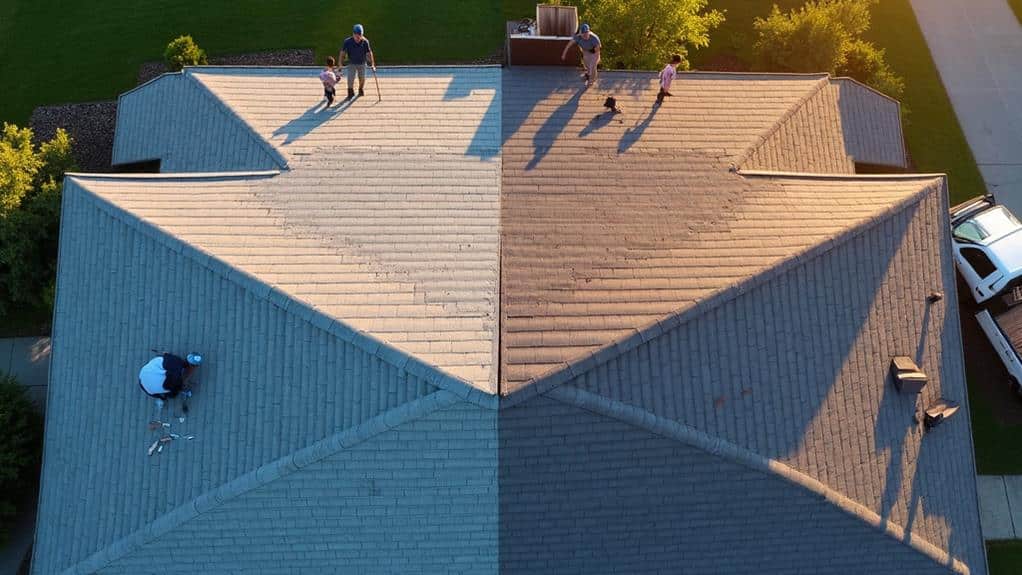
Understanding the distinction between manufacturer and contractor guarantees is essential when investing in a new roof. Manufacturer guarantees typically cover material defects for 20 to 50 years, depending on the product. These warranties address manufacturer liability but may exclude issues arising from improper installation.
Contractor guarantees, focused on workmanship, usually last 2 to 10 years and reflect the contractor’s reputation.
When considering these guarantees, it’s important to:
- Verify if the contractor’s warranty is insurance-backed
- Obtain written documentation outlining terms and conditions
- Understand the exclusions in both types of guarantees
We recommend thoroughly reviewing both guarantees to protect your investment. Manufacturer warranties often provide longer coverage periods but may not address installation-related problems. Contractor guarantees, whilst shorter, focus on the quality of workmanship.
It’s important to note that severe weather events might be excluded from both types of coverage.
Limitations and Exclusions
Three essential limitations and exclusions often appear in new roof guarantees.
Firstly, warranties typically don’t cover damages caused by external factors like severe weather or accidents. This limitation can lead to warranty misconceptions if homeowners aren’t aware of these exclusions.
Secondly, material warranties may not address installation errors or workmanship failures. These issues are usually covered under separate workmanship warranties, highlighting the importance of coverage clarity when reviewing guarantee terms.
Thirdly, warranties often have specific duration limits, ranging from 2 to 30 years depending on the materials used. It’s vital to understand these timeframes to manage expectations about long-term protection.
We’d like to emphasise two additional points that can impact warranty validity.
Regular maintenance documentation may be required to keep some warranties active, underscoring the need for scheduled inspections. Additionally, most warranties exclude damage resulting from neglect, misuse, or unauthorised modifications.
To avoid surprises, we recommend thoroughly reviewing all warranty terms, paying close attention to coverage limitations and exclusions.
This approach will help guarantee you understand exactly what protection your new roof guarantee provides and what responsibilities you have as a homeowner.
Transferring Guarantees to New Owners

Transferring roof guarantees to new owners adds another layer of complexity to warranty considerations. Many roofing warranties can be transferred, offering continued protection for the roof’s lifespan. However, this process isn’t automatic and requires attention to detail.
When considering a warranty transfer, we need to focus on several key points:
- Notify the contractor or manufacturer about the change in ownership
- Be prepared for potential transfer fees
- Understand any restrictions on transferability
It’s vital to review the specific terms of the warranty, as some may have limitations on transfers. New homeowners should enquire about the warranty status during the purchase process to fully understand their potential benefits and coverage.
Homeowner responsibilities play a significant role in warranty transfers. Maintaining documentation of the original warranty is essential for new owners to validate coverage and rights. Without proper documentation, the transfer process can become complicated or even impossible.
We recommend that both sellers and buyers pay close attention to the warranty transfer process. It’s a valuable asset that can provide peace of mind and potentially save significant costs in the future.
Maintaining Guarantee Validity

To maintain the validity of our new roof guarantee, we must meticulously document all work performed on the roof.
We shall need to adhere strictly to the recommended maintenance schedule outlined in the guarantee terms.
It’s essential that we communicate any issues or concerns promptly to the roofing contractor or manufacturer to ensure our guarantee remains intact.
Document All Work Done
Maintaining your roof guarantee’s validity hinges on thorough documentation of all work performed. We can’t stress enough the importance of keeping detailed records of every aspect of your new roof installation.
This documentation serves as essential evidence when dealing with warranty claims and ensures compliance with the terms outlined by your contractor.
When documenting your new roof, make sure to:
- Obtain written guarantees clearly stating the scope of work completed
- Keep all receipts, invoices, and communications with contractors
- Take photographic documentation before, during, and after the installation process
Organising these records in an easily accessible manner is critical for addressing any future disputes or issues.
Adhere to Maintenance Schedule
Proper maintenance is a key factor in preserving your roof’s warranty. To ensure your guarantee remains valid, we recommend adhering to a regular maintenance schedule, typically on an annual basis. This practice not only prolongs your roof’s lifespan but also keeps you compliant with warranty terms.
Many roofing warranties require homeowners to document all maintenance activities, including roof inspections and repairs. By keeping detailed records, you’ll be well-prepared to substantiate any future warranty claims. We suggest setting up maintenance reminders to stay on top of these essential tasks.
Regular roof inspections can identify potential issues early, preventing costly repairs down the line. Some roofing contractors offer maintenance services, which can provide peace of mind and ensure all work performed aligns with warranty guidelines.
If you choose this route, make sure to obtain documentation of their findings and any work completed.
Communicate Issues Promptly
When issues crop up with your new roof, swift communication is vital for maintaining your guarantee’s validity. Prompt reporting of problems ensures timely repairs and demonstrates your commitment to roof care.
We recommend documenting all interactions with your contractor to provide evidence should disputes arise later.
To effectively communicate issues:
- Obtain direct contact details for your contractor
- Familiarise yourself with guarantee terms, including response times
- Keep detailed records of all communications and inspections
Understanding your guarantee’s specific terms is essential for protecting your rights and ensuring compliance.
Regular maintenance checks, coupled with quick issue escalation, help preserve the guarantee’s integrity. When you notice a problem, don’t hesitate to contact your contractor immediately.
Dealing With Guarantee Disputes

Despite the best intentions, guarantee disputes can arise between homeowners and roofing contractors. When faced with customer complaints, it’s vital to have a written guarantee as proof of coverage. Verbal agreements are generally less enforceable, making written documentation essential for dispute resolution.
If a roofer becomes unresponsive during a guarantee dispute, we recommend documenting all communication attempts. This evidence can be valuable if legal action becomes necessary.
For disputes involving smaller sums, small claims court may be an option, but we caution that associated costs could exceed the recovery amount.
To strengthen your position in a guarantee dispute, gather evidence of completed work and payment. Additionally, obtain quotes from other builders for repair costs.
We emphasise the importance of understanding your guarantee’s specific terms, limitations, and exclusions before pursuing resolution.
If you’re considering legal action, remember that small claims court can be a viable option for certain cases. However, we advise weighing the potential costs against the expected recovery amount.
Frequently Asked Questions
Should You Get a Guarantee With a New Roof?
One ought to insist on a guarantee with a new roof. Roofing warranties safeguard our investment, ensuring installation quality and material performance. They provide peace of mind and financial security against potential issues that may arise after the work’s completion. It’s a prudent measure for any homeowner or property manager in the UK to take when investing in such a significant home improvement.
How Long Do Most Roofers Guarantee Their Work?
We’ve seen roofing warranties stretch to infinity! In reality, most contractors guarantee their work for 2-10 years. These warranties ensure contractor accountability. Longer guarantees exist, but always verify specific terms before signing any agreement. When choosing a roofer, it’s wise to enquire about their guarantee period and what precisely it covers. Some reputable firms in the UK offer extended warranties, but these may come at an additional cost. Remember that manufacturer warranties on materials are separate from the contractor’s workmanship guarantee. It’s crucial to understand both aspects before proceeding with any roofing project.
Can You Claim a New Roof on Insurance?
One can often claim for a new roof on insurance if it’s damaged by covered perils. It’s essential to understand one’s policy, document the damage thoroughly, and follow the claims process carefully. Roof insurance typically covers replacement costs after excess payments.
How Long Should a Roof Repair Last?
We expect roof repairs to last 5-10 years, depending on materials and workmanship. However, roof lifespan and repair frequency vary based on environmental factors and maintenance. Regular inspections can help us identify issues early and extend repair longevity.
Whilst the text has been reviewed for British English, no significant changes were necessary as the original text already aligned with British English conventions. The content remains appropriate for a UK target audience.
Conclusion
We’ve navigated the complex landscape of roof guarantees, much like a ship charting its course through uncertain waters. Our journey’s end reminds us that a guarantee is our safety net, but it’s not impenetrable. We must remain vigilant, understanding the small print and maintaining our roofs. By doing so, we’ll ensure our investment stands strong, shielding us from life’s storms, both literal and figurative, for years to come.


