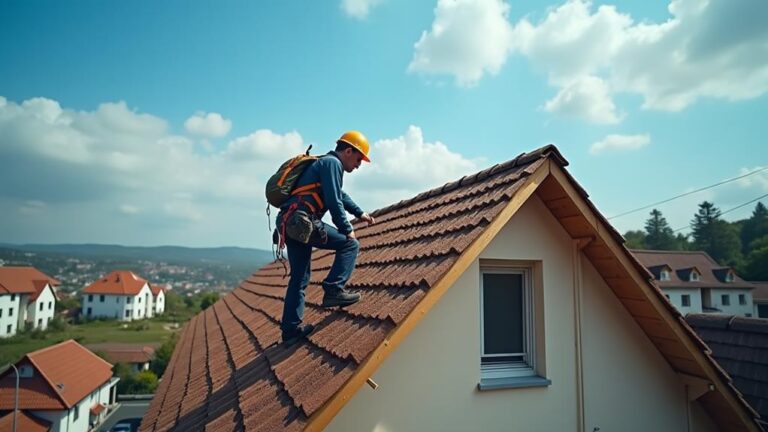

How to Choose the Right Roof for Your UK Home
Choosing the right roof for your home in the UK involves a few key steps. Begin by considering different roof types, such as gable, hip, or flat. Think about how well these options will hold up against local weather conditions. For instance, slate roofs can last over 100 years, while asphalt shingles typically need replacing every 15 to 25 years.
Next, assess the maintenance requirements of your chosen material and ensure it suits the style of your home and complies with local building regulations. Pay attention to your climate, particularly in terms of waterproofing and insulation.
Finally, factor in your budget, which includes material costs and any professional fees for installation. Taking these steps will help ensure your roof is durable and effective. For more detailed advice, explore resources that can guide you further in making the best choice.
Key Takeaways
- Assess your home's architectural style and choose a roof type that fits, such as gable or hip roofs.
- Think about local weather conditions, like rainfall and temperature changes, to select durable and weather-resistant materials.
- Consider the long-term costs of roofing options, balancing the initial price with durability and maintenance requirements over time.
- Opt for sustainable choices, like recycled materials or clay tiles, to reduce environmental impact and meet UK regulations.
- Work with qualified roofing professionals to ensure correct installation and compliance with local building regulations.
Understanding Roof Types
When selecting the right roof for your home in the UK, it's important to know the different types available, as each has its own benefits and drawbacks.
A gable roof, characterised by its two sloping sides, offers strength and stability, making it well-suited for rectangular houses. In contrast, hip roofs, which have four slopes, provide excellent stability, particularly in windy areas.
If you're aiming to improve your home's appearance and architectural coherence, consider dormer roofs. They not only add visual interest but can also increase your property's value. Additionally, clay and concrete tiles are often used for dormer roofs due to their durability and aesthetic appeal.
Flat roofs, often seen in modern designs, require specific materials to manage water drainage effectively. Alternatively, a mono-pitched (or skilion) roof delivers a contemporary look and is ideal for solar panel installations, especially when oriented southward. This is particularly important because solar suitability can significantly influence the roof type choice based on energy efficiency goals.
For those seeking unique aesthetics, variations such as double gable or pyramid hip roofs can enhance visual appeal and suit various architectural styles.
Ultimately, when choosing a roof type, consider how it complements your home's overall design. Your decision should balance both functionality and style, ensuring that your roofing solution enhances your property's beauty and serves its purpose effectively.
Key Factors in Roof Selection
Choosing the right roof for your home in the UK requires careful thought about several important factors that can affect both performance and cost.
Start by looking at material prices; compare options such as asphalt shingles, slate, metal, and rubber to fit your budget. While some materials might cost more upfront, consider their long-term benefits, such as durability and lower maintenance costs. Cheaper materials can lead to higher long-term costs due to durability issues, so choose wisely. For example, natural slate costs significantly more per square metre compared to felt roofing, but it offers a much longer lifespan.
Durability and performance are vital. Select materials that can withstand the UK's weather extremes and have a long lifespan—some can last over 40 years. For instance, clay tiles can last between 40 to 60 years under proper conditions.
Also, think about how much maintenance each option requires and ensure they're structurally suitable for your home.
Aesthetics and historical aspects are equally important. Make sure the roofing material you choose matches your home's style and complies with local regulations, especially if you live in a conservation area where historical accuracy is often required.
Finally, consider the environmental impact of your roofing choice. Look for sustainable materials, assess their carbon footprint, and ensure they meet UK building regulations. Additionally, proper insulation can enhance energy efficiency, which aligns with UK building regulations designed to improve sustainability and reduce energy consumption.
Assessing Your Climate
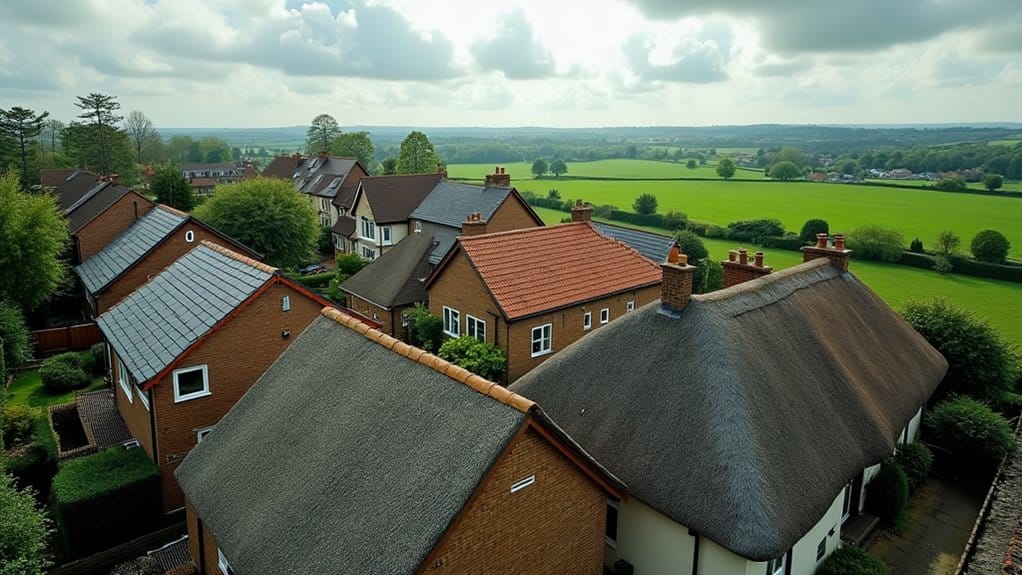
When assessing your climate, it's crucial to examine local weather patterns and seasonal temperature changes. For example, frequent rainfall in the UK can lead to issues like moss growth or leaks if the wrong roofing materials are used. Similarly, temperature fluctuations can affect the lifespan of your roof. Understanding these elements will help you select the right roofing materials, ensuring your roof withstands the unique challenges posed by your environment. Additionally, considering the average annual precipitation for the UK, which is 1,416.2 mm, is essential when choosing roofing solutions that can handle prolonged wet conditions. Proper ventilation strategies, such as ridge ventilation, are also crucial for maintaining the integrity of your roof over time.
Weather Patterns Analysis
Understanding the varying weather patterns across the United Kingdom is key when selecting roofing materials. The UK's maritime climate, shaped by the Atlantic Ocean and the Gulf Stream, leads to considerable weather variability. Average annual rainfall ranges from 800 mm to 1,400 mm, making waterproofing a crucial factor for any roofing project. Additionally, the influence of prevailing winds from the west can exacerbate precipitation levels in certain regions, further emphasizing the need for robust roofing solutions. Choosing effective insulation materials like Fibreglass Insulation can also significantly enhance your roof's performance in varying weather conditions.
When forecasting weather, remember that regional climates differ significantly. The eastern and southern regions are usually drier and warmer, while the western and northern areas tend to be wetter and colder. This means careful selection of roofing materials is important; for example, slate or metal roofs are ideal in areas with heavy rainfall to ensure durability and waterproofing.
Topography also affects weather, as the landscape can change conditions over short distances. Being aware of these climate patterns will help you choose roofing that can withstand local weather and adapt to broader environmental changes, including climate change. Selecting the right materials based on these factors won't only meet your immediate roofing needs but also enhance long-term resilience.
Seasonal Temperature Considerations
Seasonal temperature variations play a crucial role in selecting roofing materials for your home. When choosing a roof, consider your local climate to enhance energy efficiency and comfort.
| Climate Type | Recommended Materials | Key Considerations |
|---|---|---|
| Hot and Sunny | Clay tiles, metal roofs, concrete tiles | Roof colour for heat reflection, thermal resistance |
| Cold and Snowy | Asphalt shingles, metal roofs | Snow-shedding capabilities, insulation for freezing temperatures |
| Wet and Humid | Coated metal, concrete tiles | High water resistance, proper ventilation to prevent moisture buildup |
In hot climates, opt for lighter roof colours to reflect heat and reduce cooling costs. For colder regions, select materials designed to manage snow loads effectively while ensuring durability, as long-lasting materials can significantly lower overall emissions. In humid areas, choose roofs that prevent moisture accumulation and provide adequate ventilation. Remember that UK regulations require specific insulation depths and U-value standards, as achieving a U-value of 0.18 W/m²K or lower is essential for compliance. Ensure your roof complies with these guidelines for optimal energy efficiency and comfort throughout the seasons. By considering these factors, you can create a roofing solution tailored to your home's unique needs and local climate.
Importance of Roof Pitch
The pitch of your roof is crucial for the performance and longevity of your home. Different pitches impact functionality, aesthetics, and even architectural style.
In the UK, building regulations dictate minimum pitches based on roofing material; for instance, slate or tile roofs must have a pitch of at least 22.5 degrees.
Local weather conditions, such as rainfall and snowfall, also influence the ideal pitch. In areas like the Scottish Highlands, steeper pitches are necessary to effectively handle heavy snow loads.
Traditional homes often feature steep pitches for added character, while modern designs may opt for lower pitches for a more streamlined appearance.
For residential properties, a minimum pitch of 30 degrees is generally recommended for optimal performance. Moderate pitches between 10 and 20 degrees can strike a good balance between aesthetics and functionality.
Evaluating Material Durability

When selecting roofing materials for your home in the UK, it's crucial to assess their durability to ensure long-lasting performance and protection. Different materials come with different lifespans; for example, asphalt shingles typically last 15-25 years, whereas slate can last over 100 years.
Consider factors that influence durability, such as climate, wind speed, and maintenance needs. Heavier materials like clay and slate require sturdy roofing structures, while lighter options, such as metal and synthetic materials, are easier to install.
Environmental considerations also matter. Asphalt shingles tend to be less eco-friendly, while clay and slate tiles offer better durability with fewer replacements needed. Regular upkeep is vital, especially for materials like concrete tiles that are prone to moss and algae growth.
Balance your budget and design preferences with durability in mind. While slate and metal roofs might've a higher upfront cost, their longevity and reduced maintenance can make them worthwhile investments.
Choosing the right roofing material with durability at the forefront can protect your home, minimise environmental impact, and enhance your property's value.
Drainage Solutions for Roofs
When looking at drainage solutions for your roof, effective gutter systems are crucial for managing rainwater properly.
It's important to consider various rainwater management techniques that align with your roofing material, ensuring adequate water flow to prevent damage.
For instance, using a combination of deep flow gutters and downpipes can significantly improve drainage.
With the right systems and professional installation, you can better protect your home from heavy rainfall.
Effective Gutter Systems
Choosing an effective gutter system is crucial for protecting your home from water damage and ensuring proper drainage. Start by considering materials such as aluminium for durability and cost-effectiveness, or copper for its aesthetic appeal and longevity.
Assess the drainage capacity based on your roof size and proximity to trees; in areas with heavy rainfall, opt for wider gutters (6 inches) and larger downspouts (3×4 inches).
Installation techniques are important. Use bracket hangers for added strength and to minimise damage to your roof. Leaf screens can help reduce maintenance, especially in areas prone to debris.
Regular seasonal upkeep, including cleaning and inspections, can extend the lifespan of your gutter system, which typically lasts up to 30 years with proper care.
Don't forget about aesthetics—customisation options can enhance your home's appeal. While copper gutters offer a premium look, aluminium gutters are more budget-friendly.
Consider the environmental impact of your choices; seamless gutters can prevent leaks and improve efficiency. Weigh the costs against the benefits of a well-installed gutter system to ensure you effectively protect your home and the environment.
Rainwater Management Techniques
Implementing effective rainwater management techniques is essential for protecting your roof and preventing water-related issues in your home. Here are two popular methods to consider:
- Green Roof Benefits: Green roofs can absorb up to 90% of rainfall, releasing water slowly while filtering out pollutants. This significantly lowers the risk of flooding in your area.
- Siphonic Drainage: This method requires fewer outlets and pipes, allowing for high discharge rates. It's cost-effective and space-efficient, making it ideal for various building designs.
- Sustainable Practices: Both of these systems contribute to Sustainable Urban Drainage (SUD) strategies, promoting urban biodiversity and helping to reduce flooding in cities.
- Regular Maintenance: Ensure that installations are carried out by professionals and keep the systems well-maintained to avoid blockages and ensure optimal performance.
Budgeting for Your Roof

Budgeting for your roof may seem daunting, but breaking down the costs can help you manage your finances better. For an average 3-bedroom semi-detached home, expect total costs between £4,250 and £6,250, with labour making up about 60% of that.
When considering your roofing materials, be aware that prices vary significantly. For instance, Double Roman tiles cost around £32 per square metre, while Welsh slate can reach £160 per square metre.
Don't overlook additional expenses, such as removing an old roof, which can range from £900 to £2,500. If your roof has multiple chimneys or valleys, this can complicate the job and increase labour costs, averaging about £200 per day.
It's also crucial to check your home's structural integrity, as heavier materials like slate may not be suitable if your building can't support them.
Climate Change Considerations
As climate change progresses, it's essential to consider how temperature extremes and more frequent severe weather events will affect your roofing choices.
To tackle these challenges, select materials that can endure shifting temperatures and effectively manage flood risks. For instance, opting for slate or metal roofs can offer better durability against harsh weather.
Temperature Extremes Impact
Temperature extremes significantly affect roofing materials, making it vital for homeowners to grasp how climate change may influence their decisions. As temperatures vary, consider the following factors to ensure your roof remains durable and effective:
- Thermal Stress: Constant expansion and contraction can warp materials, risking structural damage.
- Moisture Control: Increased condensation can lead to mould and algae growth, so proper ventilation and insulation are crucial.
- Material Longevity: Higher temperatures can deteriorate materials, shortening their lifespan, especially if they're exposed to UV rays without adequate protection.
- Climate Resilience: Choosing advanced materials like polymers and modified bitumen can boost durability and resistance to temperature swings.
Investing in innovative roofing solutions, such as sustainable materials or green roofs, can enhance your home's energy efficiency and resilience.
Regular inspections are essential to catch any signs of material wear early. By focusing on these aspects, you can ensure your roofing choice endures while protecting your home from the impacts of climate change.
Extreme Weather Preparedness
Understanding how climate change affects roofing choices is key to preparing for extreme weather. Opting for durable materials like slate or metal is vital, as they can endure intense heat and heavy rain.
For storm preparedness, consider water-resistant options such as clay or concrete tiles to prevent leaks. Regular maintenance, including roof inspections and gutter cleaning, helps identify potential weaknesses before severe weather hits.
Additionally, trimming overhanging branches and applying protective coatings can boost your roof's resilience and lifespan. Be prepared with emergency repair techniques, ensuring you have the right materials and skills to quickly address any damage during storms.
Keeping an eye on weather forecasts allows you to time roofing projects effectively and adjust your plans as needed, while professional assessments ensure your roof can cope with changing conditions.
Finally, staying informed about safety regulations and using quality safety gear is essential when working on your roof. By adopting these strategies, you can significantly enhance your home's ability to withstand extreme weather, benefiting both your needs and the environment.
Flood Risk Management
Flood risk management is vital for homeowners in the UK, particularly in light of climate change. With flooding becoming more frequent, it's important to incorporate effective strategies into your building design to protect your home.
Here are four essential tips for managing flood risk:
- Floor Levels: Raise your finished floor levels by at least 600mm above the predicted flood level to prevent water from entering your home.
- Flood Resilience: Choose materials that resist water absorption to keep flood water out and speed up recovery if flooding does occur.
- Urban Drainage: Use sustainable urban drainage systems (SuDs) to handle stormwater effectively and reduce the risk of flooding.
- Emergency Planning: Create a solid emergency plan that includes flood risk assessments and insurance considerations.
Adapting your home isn't just about short-term safety; it's about building long-term resilience against future flooding.
Sustainable Roofing Materials

When choosing sustainable roofing materials for your home in the UK, you'll discover a range of innovative options that not only improve your property's appearance but also reduce its environmental impact.
Recycled materials, such as plastic and metal, are commonly used for shingles and tiles. These options minimise the need for new resources, divert waste from landfills, and lessen environmental harm during production and transport. They can also replicate traditional roofing styles like asphalt shingles or slate tiles.
EPDM rubber roofing is another eco-friendly choice, known for its non-toxic properties and low environmental pollution. It works well with rainwater harvesting systems and can support vegetation, making it suitable for green roofs.
These roofs provide natural insulation and enhance biodiversity, meeting the Green Roof Organisation's quality standards.
Additionally, materials such as bio-based bamboo shingles and solar tiles offer both durability and functionality.
Metal roofing is notable for its recyclability and ability to reflect solar heat, while cool roofs can significantly lower summer energy costs.
Energy Efficiency in Roofing
When choosing roofing materials, it's important to consider insulation options, as they significantly impact energy efficiency.
For instance, reflective roofing can help minimise heat absorption, boosting your home's energy performance.
Also, remember the significance of proper ventilation; it's crucial for preventing moisture build-up and ensuring insulation works effectively.
Insulation Materials Selection
Choosing the right insulation materials for your roof is crucial for enhancing energy efficiency and ensuring comfort in your UK home. The insulation you select affects not only your energy bills but also moisture control and indoor air quality.
Here are some key points to consider:
- R-Value: Opt for materials like PIR (polyisocyanurate) and XPS (extruded polystyrene) that have R-values between 5 and 7 for excellent thermal resistance.
- Eco-Friendly Choices: Think about sustainable options like sheep wool or cellulose, which provide good insulation while being kind to the environment.
- Ease of Installation: Rigid foam boards are simple to install, making them suitable for both flat and pitched roofs.
- Cost vs. Benefits: EPS (expanded polystyrene) is budget-friendly, but consider its lower R-value against potential energy savings and soundproofing benefits over time.
Don't forget about moisture control, particularly with flat roofs, to avoid structural issues.
Reflective Roofing Options
Reflective roofing options provide a smart solution for homeowners aiming to improve energy efficiency in their UK properties. By using reflective coatings, these roofs can significantly reduce overheating, lower energy bills, and enhance indoor comfort.
Here's a quick summary of the benefits and types of reflective roofing:
| Benefits | Types of Reflective Roofing |
|---|---|
| Lowers cooling costs | Metal roofs |
| Supports solar power | Solar PV roofs |
| Reduces urban heat | Reflective shingles |
| Long-term savings | Clay and concrete tiles |
Metal roofs are lightweight and durable, while solar PV roofs can generate electricity, potentially saving you money by feeding excess energy back to the grid. Reflective shingles are adaptable and can blend seamlessly with existing roofs. Clay and concrete tiles can also be fitted with reflective coatings for added efficiency.
Ventilation Importance
Proper ventilation is crucial for maintaining energy efficiency in your roofing system, significantly influencing the comfort and longevity of your home.
Recognising the importance of adequate attic airflow can help dispel common ventilation myths and ensure your home stays comfortable throughout the year.
Here are four key benefits of effective roof ventilation:
- Lowers energy bills by managing attic temperature, preventing your heating and cooling systems from working overtime.
- Prevents moisture accumulation, which can lead to mould, mildew, and structural damage.
- Improves insulation performance by controlling moisture, boosting overall energy efficiency.
- Regulates attic temperature, reducing the risk of ice dams in winter and excessive heat build-up in summer.
To achieve optimal ventilation, consider options like ridge vents, soffit vents, gable vents, and attic fans.
It's essential to adhere to regulations such as BS 5250:2021 for cold roof ventilation, ensuring clear air pathways between insulation and roof decking.
Designing Your Roof Structure

When designing your roof structure, it's essential to understand the foundational elements to ensure stability and performance.
Begin by choosing a construction method that complements your home's architecture and aesthetics. For example, if you're building a garden office, consider using a roof deck fixed over the rafters, typically made from plywood or OSB, to support various coverings.
Insulation is crucial for preventing cold spots. Lay rigid insulation, such as Celotex, over a vapour membrane before adding a second layer of OSB or plywood.
Secure it to the rafters using specialist fixings, and then cover it with a breathable membrane for added weather-tightness.
When selecting your roof covering, keep in mind that EPDM requires a solid deck, while tiled roofs need treated battens.
Ensure the weight of the materials is suitable for your structure, as heavier materials will need a more robust foundation.
Also, consider the roof shape—whether gable, hip, or mansard—as each offers unique advantages and can impact your overall design.
Work closely with architectural designers and roofing specialists to ensure your roof is both functional and in harmony with your home's character.
Regulatory Compliance Essentials
Navigating the regulatory landscape for roofing projects is vital for ensuring compliance and safety. Understanding current regulations can help you tackle compliance challenges effectively. Here are four key areas to prioritise:
- Building Regulations Part L: These regulations set out insulation and air-tightness standards to improve energy efficiency and reduce carbon emissions. Always check that your roofing project meets these requirements.
- Structural Integrity: It's essential to evaluate snow, wind, and dead loads to ensure your roof's design complies with safety standards. Regular inspections are crucial for maintaining stability.
- Fire Safety Standards: Opt for fire-resistant materials and install adequate ventilation systems. This not only aligns with the latest regulations but also significantly lowers fire risks.
- Planning Permission: Confirm whether your project needs planning permission, especially in conservation areas. Securing Building Regulation Compliance Certificates is essential for major alterations.
Staying updated on regulatory changes is key to a successful roofing project. By focusing on these areas, you can avoid issues and ensure your roofing work meets all legal requirements while benefiting the community.
Maintenance Best Practices
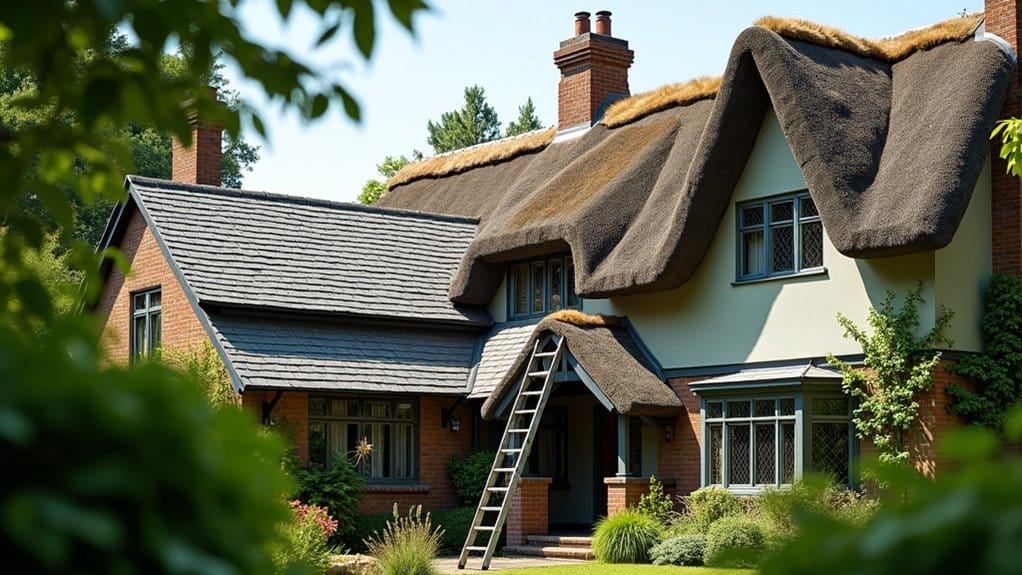
After ensuring compliance with regulatory standards, the next step in maintaining your roof's integrity is to establish a solid maintenance plan. Start by scheduling inspections twice a year—in spring and autumn—to check for any damage from winter storms or to prepare for the summer months.
Following severe weather, conduct post-storm inspections to swiftly identify and tackle any immediate issues. For older roofs nearing the end of their lifespan, increase maintenance to every 6-12 months.
During each inspection, use a thorough checklist: assess tiles or slates for wear, inspect the flashing around chimneys and vents, and ensure gutters and downspouts are clear for proper drainage.
Look for signs of leaks inside your home, such as stains on ceilings, and evaluate the overall structural condition of the roof.
Keep a record of your findings and arrange for any necessary repairs without delay, as proactive maintenance can save you from costly repairs down the line.
Regular inspections not only help maintain energy efficiency but also extend your roof's lifespan by addressing potential problems early.
Choosing a Professional Roofer
Choosing the right professional roofer is crucial to ensure your roofing project is completed efficiently and to a high standard. A skilled contractor guarantees quality and gives you peace of mind throughout the process.
Here are four essential steps to guide your choice:
- Research and Reviews: Look at recent online reviews and pay attention to how any negative feedback is handled. This will give you a clearer picture of the contractor's reliability.
- Accreditations and Qualifications: Check for accreditations from recognised bodies, such as the National Federation of Roofing Contractors (NFRC). Ensure the roofer holds the necessary certifications and industry memberships, as these indicate their expertise.
- Local Expertise: Choose local contractors to minimise travel costs and ensure timely service. They're typically more familiar with local building regulations and practices.
- Contractor Interviews: Set up interviews with potential roofers. Discuss the roofing contracts, services offered, and warranties.
Obtaining detailed quotes from at least three roofers will help you compare costs and services effectively.
Frequently Asked Questions
What Are the Most Popular Roofing Styles in the UK?
In the UK, popular roofing styles include thatched roofs, flat roofs, pitched roofs, tile roofs, slate roofs, eco-friendly roofs, and contemporary green roofs. Each type has its own distinctive look and practical benefits, catering to different home designs and preferences. For example, thatched roofs are traditional and charming, while slate roofs are durable and stylish. Flat roofs offer modern appeal, and eco-friendly options are increasingly sought after for their sustainability.
How Can I Improve My Roof's Energy Efficiency?
Did you know that proper insulation can save you up to 20% on your heating bills? To enhance your roof's energy efficiency, opt for high-quality insulation materials and efficient ventilation systems. These solutions help prevent moisture build-up and improve overall performance. For instance, using insulated loft boards can keep your home warmer in winter and cooler in summer.
What Is the Average Lifespan of Different Roofing Materials?
The average lifespan of asphalt shingles is between 15-25 years, whereas metal roofing can last from 40-70 years. Opting for high-quality materials and ensuring proper installation can significantly improve the durability and longevity of your roof.
How Do I Know if My Roof Needs Repairs?
If your roof's starting to look like a leaky sieve, it's time to take action! Watch for signs of wear and tear, check the shingles for weather damage, and look out for any leaks. It's wise to follow maintenance tips or seek a professional evaluation to ensure safety.
What Roofing Warranties Should I Consider?
When considering roofing warranties, focus on the durability of materials and the extent of the warranty coverage. Look for options that protect against defects and installation mistakes. For example, a good warranty may cover issues like leaks or structural failures, ensuring your investment is safeguarded throughout its lifespan.
Conclusion
Choosing the right roof for your home in the UK is crucial for durability and efficiency. A properly installed roof can last over 30 years, minimising the need for costly replacements. Consider factors such as the durability of materials, the local climate, and the pitch of the roof to boost your home's protection and visual appeal. It's also vital to hire a qualified professional to ensure compliance with regulations and industry standards, safeguarding your investment for the long term.