
Why Roof Insulation Is Key to Reducing Energy Bills
Roof insulation is crucial for lowering energy bills as it reduces heat loss and improves your home’s energy efficiency. With proper insulation, you could save around 15% on heating and cooling costs immediately. It not only enhances comfort and reduces noise but also improves indoor air quality. Investing in high-quality insulation can lead to significant long-term savings and may even boost your property’s value. Explore the various benefits and types of insulation materials available to you.
Key Takeaways
- Roof insulation reduces heat loss and gain, significantly boosting a home’s energy efficiency.
- With proper insulation, you could see immediate savings of about 15% on your energy bills.
- Upgrading your insulation enhances thermal resistance, potentially cutting heating and cooling costs by up to 20%.
- Investing in high-quality insulation materials can yield a strong return, often exceeding 166%.
- Adhering to energy codes and ensuring proper installation maximises both the effectiveness of your insulation and your savings.
Understanding Roof Insulation and Its Benefits

When you think about how roof insulation affects your energy bills, it’s evident that understanding its benefits can lead to substantial savings and greater comfort in your home.
Different insulation materials, such as fibreglass, mineral wool, and cellulose, each bring their own advantages for energy efficiency. For example, fibreglass insulation is straightforward to install and offers excellent thermal resistance, while cellulose is environmentally friendly and budget-friendly. Polyisocyanurate insulation is particularly effective at resisting moisture, ensuring its durability over time. Additionally, proper insulation can significantly improve your home’s noise reduction capabilities, resulting in a more peaceful living space. By selecting the right materials, you can reduce heat loss and gain, resulting in lower energy costs.
Investing in proper roof insulation not only saves you money but also contributes to a healthier living environment, making it a crucial choice for any homeowner.
Energy Savings From Upgraded Roof Insulation

Upgrading your roof insulation can significantly reduce your heating and cooling costs, with potential savings of up to 20% each year. Investing in quality insulation not only boosts your home’s energy efficiency but also contributes to wider energy savings that are beneficial for the environment. This upgrade is a sensible financial decision, leading to lower energy bills and an increase in your property’s value. Additionally, energy code compliance during roof replacements ensures that you maximize these savings opportunities. Furthermore, achieving a U-value of 0.18 W/m²K can enhance thermal performance, leading to even greater energy savings.
Heating and Cooling Costs
How much could upgrading your roof insulation save you on heating and cooling costs? Enhanced insulation thickness can significantly reduce heat loss, which is responsible for nearly half of your heating bills. With the right roof ventilation and insulation, you could achieve energy savings of between 10% and 45%. Additionally, the energy savings from insulation improvements in residential buildings can lead to substantial reductions in carbon emissions over time. Proper insulation and ventilation extend roof lifespan and contribute to a healthier home environment.
| Insulation Type | Estimated Savings |
|---|---|
| Basic Insulation | 10% – 15% |
| Upgraded Insulation | 15% – 45% |
| Combined with Air Sealing | 20% – 45% |
For instance, if you spend £1,000 annually on heating, upgrading your insulation could save you between £100 and £450 a year. It’s a smart investment that not only cuts costs but also improves your home’s comfort.
Whole-Building Energy Savings
Investing in improved roof insulation boosts your building’s energy efficiency and leads to significant energy savings across different types of structures. By enhancing insulation, you can achieve annual energy savings of 3-6%, with schools often experiencing even greater reductions. This approach aligns with sustainable building design and cost-effectiveness.
Furthermore, compliant upgrades not only decrease energy consumption but also significantly reduce carbon emissions.
With modern materials and innovative designs, you’re not just improving thermal performance; you’re also ensuring durability.
Ultimately, these upgrades provide a positive return on investment, fostering economic growth while benefiting the community through lower energy costs and a reduced environmental footprint.
Financial Advantages of Proper Insulation
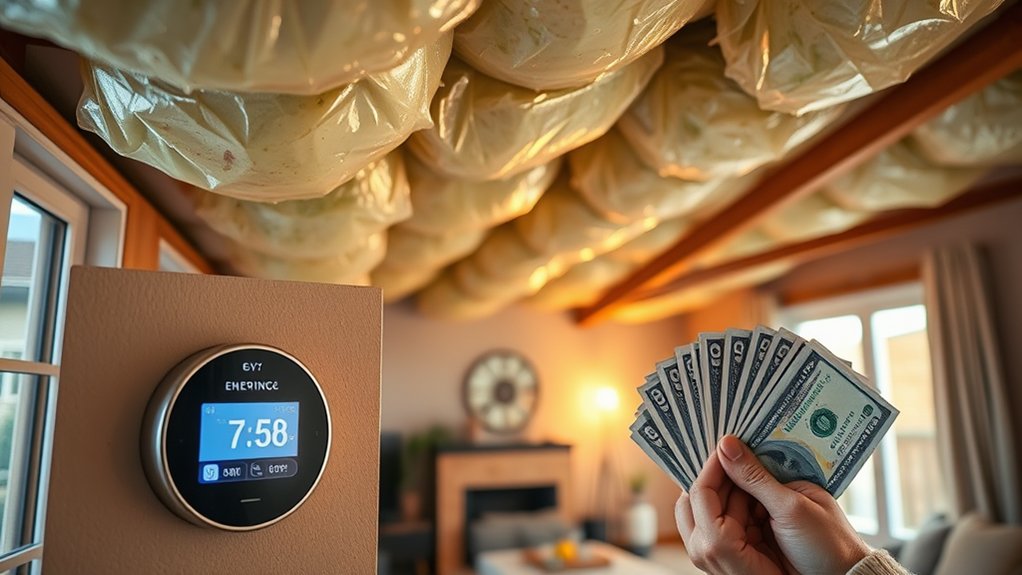
Proper insulation in your home not only results in immediate savings on energy bills but also boosts your property’s value over time.
By cutting down on heating and cooling costs, you can save money while ensuring a comfortable living space.
Moreover, as energy efficiency becomes increasingly sought after, your investment in insulation can significantly enhance your home’s market appeal.
Immediate Cost Savings
When you think about the financial benefits of roof insulation, the immediate cost savings can significantly influence your budget.
By investing in high-quality insulation materials, you could cut your heating and cooling costs by around 15%. Many homeowners report over a 50% reduction in heating bills during winter, highlighting the potential for substantial savings.
This cost-effective solution boosts energy efficiency, helping your home maintain stable indoor temperatures and reducing air leakage. The long-term savings often outweigh the initial installation costs, making insulation a smart choice.
Increased Home Value
Homeowners often prioritise immediate savings from insulation, but its impact on property value is equally important.
Investing in quality insulation can yield a remarkable 166% return, making your home more appealing in a competitive market. As trends shift towards energy efficiency, homes with insulation attract buyers keen on lower utility bills and increased comfort.
While insulation isn’t visible, it plays a vital role in marketing your property. Homes with upgraded insulation typically sell faster and at higher prices, making them a desirable feature in listings.
Environmental Impact of Insulation Improvements

Insulation improvements significantly benefit the environment by cutting carbon emissions and reducing energy consumption. Properly insulating your home can save around 2 tonnes of carbon dioxide each year, which greatly reduces your carbon footprint.
Choosing the right insulation materials is crucial; some even store biogenic carbon, helping to offset emissions.
It’s also important to consider the embodied carbon and water footprints of insulation materials. Opting for newer, less toxic insulation options can help reduce pollution during production.
Your choices affect air quality and the health of our ecosystems. By prioritising effective insulation, you enhance your home’s energy efficiency while also making a positive contribution to the environment for both current and future generations.
Enhancing Building Comfort Through Insulation

Utilising insulation effectively can greatly enhance comfort in your home or workplace, no matter the season. Various insulation types help maintain consistent indoor temperatures, making your space feel warmer in winter and cooler in summer by reducing drafts.
Additionally, insulation serves as a sound barrier, minimising unwanted noise and creating a quieter environment. It also helps manage humidity levels, preventing moisture intrusion and contributing to a healthier indoor climate.
Health Benefits Linked to Roof Insulation
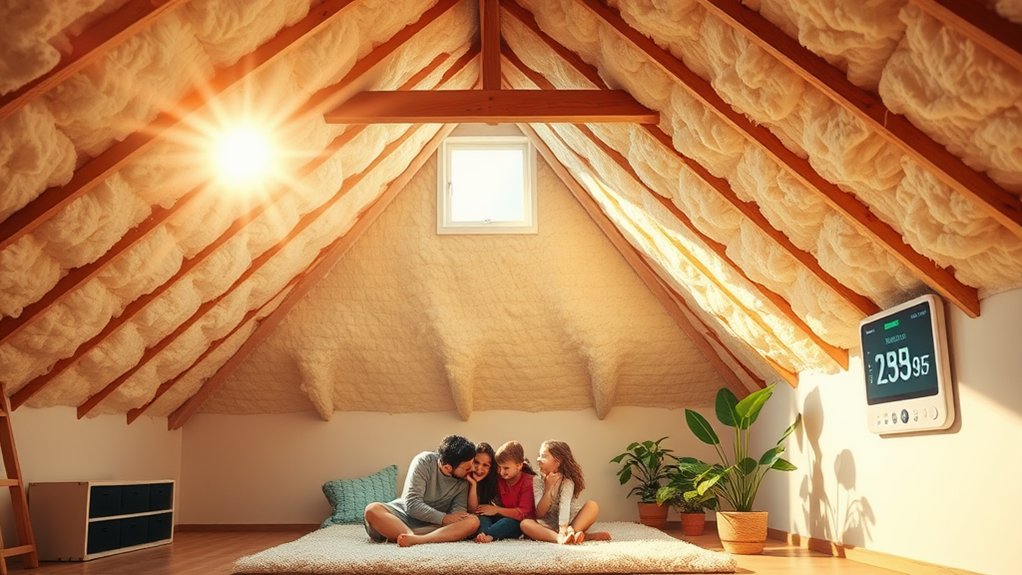
Investing in roof insulation not only reduces energy bills but also significantly enhances your indoor air quality.
A more stable temperature in your home leads to increased thermal comfort, which can improve your health. With lower exposure to pollutants and a more pleasant living space, you’ll likely experience a boost in your overall well-being.
For example, a well-insulated home can reduce the risk of respiratory issues, making it a worthwhile investment.
Improved Indoor Air Quality
When homeowners consider roof insulation, they often prioritise energy savings, but the health benefits of improved indoor air quality shouldn’t be overlooked. Insulation serves as a barrier against outdoor pollutants, significantly reducing indoor allergens like dust and pollen. It also helps control moisture, which prevents mould growth—a common cause of respiratory issues.
| Health Benefits | Impact on Indoor Air Quality |
|---|---|
| Reduces exposure to pollutants | Cleaner, healthier living spaces |
| Minimises mould-related illnesses | Improved respiratory health |
| Lowers indoor allergen levels | Enhanced overall well-being |
| Maintains stable temperatures | Reduced circulation of harmful particles |
Investing in proper insulation not only makes your home more energy-efficient, but it also contributes to a healthier living environment.
Enhanced Thermal Comfort
Enhanced thermal comfort is vital for a healthy living environment, significantly influencing your well-being. Good roof insulation boosts thermal performance, helping to maintain a stable and comfortable indoor climate.
Here are some key benefits:
- Stable Indoor Temperatures: Insulation helps retain heat in winter and keep your home cool in summer.
- Reduced Drafts: It minimises cold spots, making your home feel cozier.
- Moisture Control: Insulation manages moisture levels, preventing mould growth and promoting health.
- Noise Reduction: Insulation absorbs sound, creating a quieter space.
Types of Roof Insulation Materials
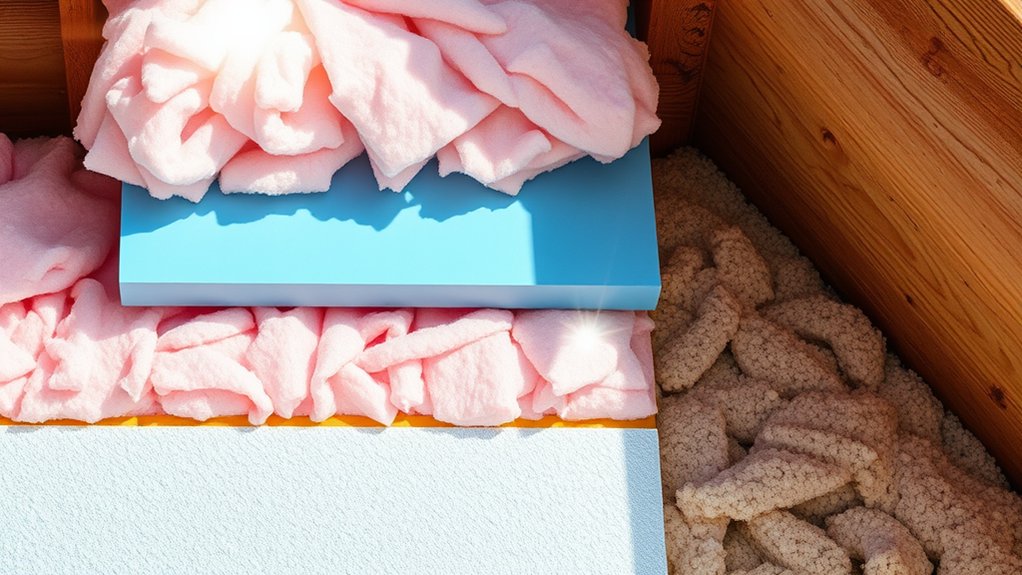
Selecting the right roof insulation material is vital for energy efficiency and comfort in your home.
Fibreglass options are budget-friendly and straightforward to install, while Polyiso offers high thermal resistance in rigid boards.
Spray foam insulation effectively seals gaps, significantly boosting insulation performance. Rigid boards are tough, and radiant barriers are excellent at reflecting heat, particularly in attics.
If you’re after a comprehensive solution, structural insulated panels provide both insulation and structural support.
Cost is an important factor; although spray foam can be more expensive, its durability and high R-value may result in savings over time.
Knowing these materials and their installation methods will help you make the best choice for your needs.
Importance of Proper Installation and Air Sealing

Choosing the right roof insulation material is only the first step; how you install it plays a crucial role in its effectiveness.
Proper installation and air sealing techniques are key to reaping the full benefits. Here’s why:
- Reduced Heat Loss: Effective air sealing helps maintain a consistent temperature in your home, which in turn lowers your heating and cooling requirements.
- Increased R-Value: Correct installation ensures that your insulation achieves its maximum thermal resistance.
- Energy Efficiency: Implementing these methods can lead to average energy savings of around 11%.
- Improved Comfort: Sealing gaps helps eliminate drafts, making your home more comfortable throughout the year.
Meeting Energy Standards With Modern Insulation

With the rising demand for energy-efficient homes, using modern insulation to meet energy standards is crucial for homeowners looking to cut down on energy usage and costs.
High R-value roofs not only surpass basic building regulations but can also enhance insulation performance by 30% to 50%. By using advanced materials such as polyisocyanurate or cellulose, you can achieve significant energy compliance while improving your home’s thermal efficiency.
Adhering to the 2021 IECC and ASHRAE guidelines ensures your insulation meets the latest energy efficiency standards, leading to notable savings on energy bills.
Investing in modern insulation is more than just ticking boxes; it’s a step towards sustainable living that benefits both your wallet and the environment.
Take this opportunity to contribute to energy conservation in your home and community.
Long-Term Economic Effects of Insulation Retrofits
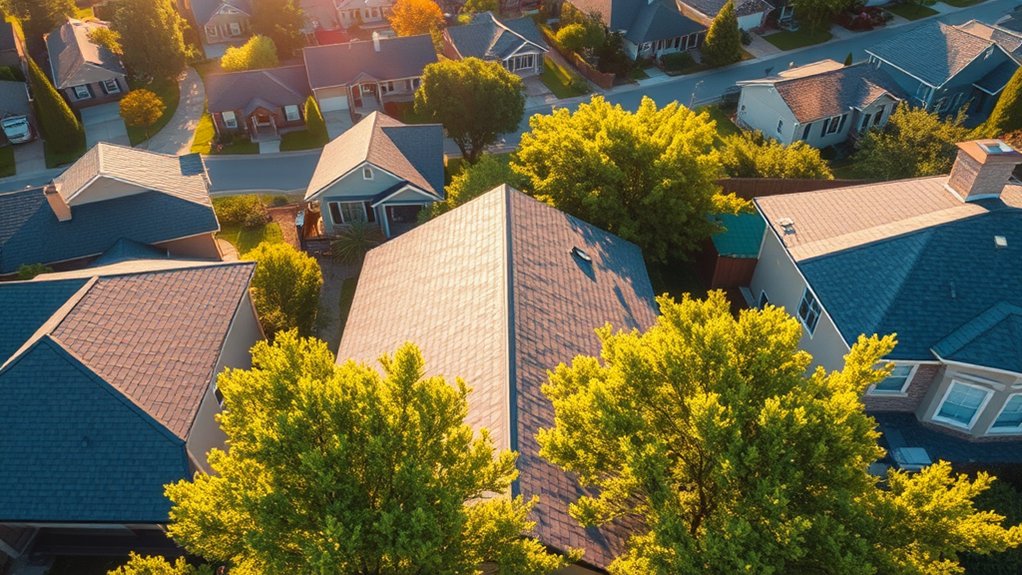
If you’re considering insulation retrofits, it’s worth knowing the long-term economic benefits can be significant.
By investing in durable insulation, you can enjoy:
- Improved Energy Efficiency: Cut your energy usage by 10-45% in your home.
- Lower Costs: Save around 15% on your heating and cooling bills.
- Attractive Return on Investment: The energy savings can often surpass the initial costs of the retrofit.
- Increased Property Value: Homes with enhanced insulation are more appealing and can fetch a higher market price.
These advantages aren’t just good for your finances; they also support a more sustainable future.
Investing in insulation upgrades is a wise decision for both your household and the community, fostering economic growth and environmental care.
Policy Incentives for Roof Insulation Upgrades
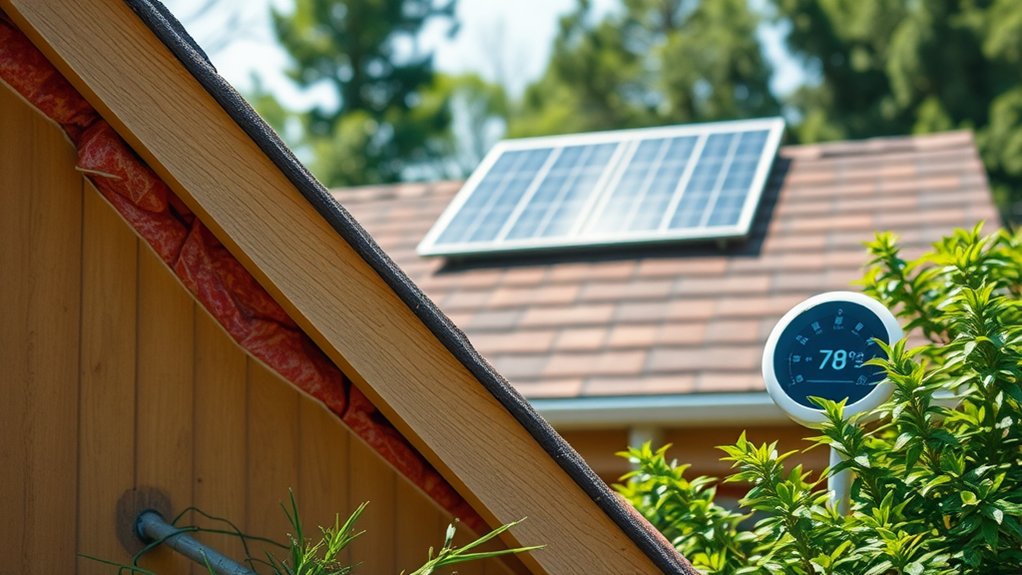
Investing in insulation upgrades not only enhances energy efficiency but also unlocks a range of policy incentives that can significantly lower your costs.
By utilising insulation grants, you could receive up to £1,200 annually for qualifying improvements, with up to 30% of eligible expenses covered.
The recent Energy Security Bill boosts these benefits, providing rebates and additional tax credits for materials that meet ENERGY STAR standards.
For low- to moderate-income households, rebates are doubled, ensuring fair access to energy efficiency measures.
Keeping your receipts and completing the relevant forms can simplify the application process.
These incentives help reduce your initial expenditure while promoting long-term savings and environmental sustainability.
Frequently Asked Questions
How Does Roof Insulation Impact Home Resale Value?
Upgrading your roof insulation can significantly increase your home’s value. Buyers value the benefits of better insulation, such as reduced energy bills and increased comfort. For instance, a well-insulated home can be more appealing during winter months, as it stays warmer and more inviting. This can lead to quicker sales and possibly higher resale prices, making your investment more attractive overall.
Can I Install Roof Insulation Myself?
Installing roof insulation can be likened to wrapping your home in a warm blanket. With the right DIY materials and some straightforward tips, you can improve comfort and energy efficiency. Just remember to adhere to safety guidelines and best practices throughout the process.
What Maintenance Is Required for Roof Insulation?
To keep your roof insulation in top shape, consider these essential maintenance tips: carry out regular visual inspections, clear away debris, seal any gaps quickly, and arrange for professional assessments to ensure optimal performance and longevity. For example, check for any signs of damp or mould, as these can indicate insulation problems.
How Long Does Roof Insulation Last?
Have you ever considered how long your roof insulation will last? The lifespan of insulation varies: fiberglass and cellulose typically last around 15 to 30 years, while spray foam and mineral wool boast greater durability, lasting up to 80 years or even longer.
Are There Any Government Grants for Roof Insulation Upgrades?
Yes, there are government assistance programmes available for roof insulation upgrades in the UK. These schemes often provide grants to help offset costs, making energy-efficient improvements more affordable. Check local options to maximise your savings and contribute to your community’s sustainability efforts.
Conclusion
In the realm of energy efficiency, saving money is essential. Investing in roof insulation not only improves comfort but also significantly lowers your energy bills, boosts your home’s value, and helps the environment. Effective insulation and air sealing can make your home more enjoyable while meeting current energy standards. By making this investment now, you’re not just cutting costs; you’re also supporting a greener future. Don’t delay—upgrade your roof insulation and enjoy the benefits!


