

Flat Roof Insurance Challenges: Overcoming Exclusion Clauses
Navigating flat roof insurance challenges requires a good grasp of age-related exclusions and the significance of regular maintenance. Insurers often deny claims for roofs older than 20 years or those that lack proper upkeep. For instance, if you misreport the age of your roof or delay reporting damage, you risk losing your coverage. Customising your policy with additional riders and conducting regular inspections can improve your protection. Using quality materials and maintaining thorough documentation will also bolster your claims. To optimise your coverage, be sure to consider the key aspects that affect flat roof insurance.
Key Takeaways
- Regular inspections and maintenance can bolster your claims and reduce the likelihood of exclusions due to poor roof condition.
- Familiarise yourself with the specific exclusion clauses in your policy to prevent disputes over ambiguous terms and ensure you know what is covered.
- Opt for durable roofing materials and keep detailed documentation to improve your chances of policy approval and lower long-term costs.
- Partner with insurers who specialise in flat roofs to secure comprehensive coverage tailored to unique risks, such as water pooling and age restrictions.
- Report any damage promptly and keep accurate records to support your claims and reduce the risk of fraud allegations.
Understanding Flat Roof Exclusions in Homeowners Insurance

Flat roofs can be visually appealing and space-efficient, but it’s crucial to understand their exclusions in homeowners insurance to protect your investment. These roofs are prone to issues like water pooling and material wear, which can significantly affect your coverage. Flat roofs can also suffer from ice accumulation during rare freezes, adding extra weight and risk. Regular inspections can help identify potential issues before they escalate, reducing the likelihood of costly repairs.
Many insurance policies may charge higher premiums—sometimes up to 50% more—due to the increased risk associated with flat roofs. Additionally, claims may result in reduced payouts, leaving you underinsured.
To manage your insurance costs, consider regular professional inspections and maintenance. This proactive approach not only helps mitigate risks but can also improve your coverage options.
Being aware of your insurer’s specific restrictions and adhering to repair standards can further safeguard your home. By staying informed about these exclusions, you can better prepare to protect your investment.
Common Exclusions in Commercial Roofing Insurance

When it comes to commercial roofing insurance, certain exclusions can significantly affect your coverage. For example, limitations based on the age of the roof or specific materials used can expose you to unexpected expenses. Additionally, failing to report damage promptly could lead to denied claims, making timely communication with your insurer essential. It’s important to note that the age of the roof is a critical factor in determining insurability, as roofs 20 years old or older may not be covered.
Roof Age Limitations
As roofs age, they become more vulnerable, which can complicate commercial insurance coverage. Insurers often set age limits, commonly excluding roofs over 20 years old due to heightened risks such as cracks and leaks. This can create coverage gaps, leaving you exposed to significant financial losses.
Regular roof inspections are crucial, as they help spot issues early and ensure accurate risk assessments. If the age of the roof is misreported, it could result in denied claims or even allegations of fraud. Additionally, older roofs often show signs of cracks, sagging, and leaks, further complicating your insurance situation. Furthermore, roofs made of certain materials, such as asphalt shingles, might face higher premiums or be switched to actual cash value policies, which means reduced payouts in the event of damage.
Keeping thorough records of maintenance and inspections can help secure the necessary coverage and mitigate the risks associated with ageing roofs.
Material-Specific Exclusions
Many commercial roofing insurance policies in the UK include exclusions related to specific materials, which can surprise policyholders.
These exclusions often arise from concerns about the durability of certain roofing types, leading insurers to limit coverage for materials that may not hold up well. This leaves you at risk of substantial repair costs if damage occurs.
It’s essential to carefully review your policy to identify any material-specific exclusions. For example, if your roof is made from a less resilient material, you may find that your policy doesn’t cover certain types of damage.
Understanding your coverage options is crucial; you might discover endorsements available to enhance your policy and address these specific risks. Additionally, be aware of local building regulations that may impact your coverage and exclusions related to your roofing material.
Damage Reporting Delays
Delaying the reporting of roof damage can seriously jeopardise your ability to secure a valid insurance claim. If you wait too long, you risk having your claim denied or your coverage reduced, as most policies have strict deadlines for reporting damage.
The longer you delay, the more your roof is exposed to further issues, which can lead to higher repair costs and extended disruptions to your business.
Insurers are increasingly scrutinising late claims, raising concerns about potential fraud. This heightened scrutiny can complicate the claims process and may even lead to legal disputes.
To protect your interests, it’s crucial to report any damage promptly and keep thorough documentation to support your case. Understanding the timelines for reporting damage and following the claims process is essential for navigating your commercial roofing insurance effectively.
Specific Exclusions and Limitations for Flat Roofs

When it comes to flat roofs, it’s important to understand specific exclusions and limitations that could affect your coverage.
For instance, if your roof is showing signs of age-related wear and tear, this could reduce the effectiveness of your insurance policy.
Similarly, failing to carry out regular maintenance might lead to serious issues down the line, particularly when you need to make a claim.
Also, be aware that certain roofing materials may not be included in your current policy, which could leave your flat roof unprotected.
Age-Related Deterioration Exclusions
As flat roofs age, insurance policies often introduce specific exclusions and limitations that can significantly affect your coverage.
Roofs over 20 years old may face severe implications, rendering them uninsurable even with repairs. Typically, policies shift from replacement cost to actual cash value (ACV), accounting for depreciation that can accelerate after the 15-year mark. This means your payout could decrease quickly if you don’t have maintenance records.
Furthermore, undisclosed prior damage or gradual leaks are often deemed “wear and tear,” complicating claims.
It’s crucial to understand these factors to navigate flat roof insurance effectively and ensure adequate coverage as your roof ages.
Maintenance Neglect Consequences
Neglecting regular maintenance on flat roofs can lead to serious insurance issues, as many policies specifically exclude coverage for damages caused by such negligence. It’s crucial for homeowners to understand these exclusions and adopt effective maintenance practices. Here’s a brief overview of how neglect can impact your insurance:
| Consequences | Insurance Implications | Maintenance Strategies |
|---|---|---|
| Out-of-pocket repairs | Claims may be denied | Annual inspections |
| Increased premiums | Poor maintenance history can raise costs | Leak detection systems |
| Damage from mould and fungus | Coverage may exclude mould-related claims | Regular gutter maintenance |
| Costly roof replacements | Severe neglect can lead to expensive replacements | Routine material upkeep |
Material-Specific Coverage Limitations
Flat roofs can provide distinct aesthetic and functional advantages, but they also come with specific coverage limitations that can make insurance claims tricky.
Traditional materials such as rubber membranes and older bitumen are often excluded due to higher risks of punctures and deterioration. Insurers tend to prefer approved alternatives like metal and reinforced felt, which are more likely to be covered.
Another challenge is age-related exclusions; most policies won’t cover roofs over 20 years old, even if they’ve had multiple layers of replacement.
To overcome these hurdles, it’s wise to explore specialised coverage options that cater to these exclusions, such as niche policies with tailored premiums and mandatory inspections.
Staying updated on material requirements is crucial to ensure your flat roof remains insurable.
The Impact of Age-Related Wear and Tear
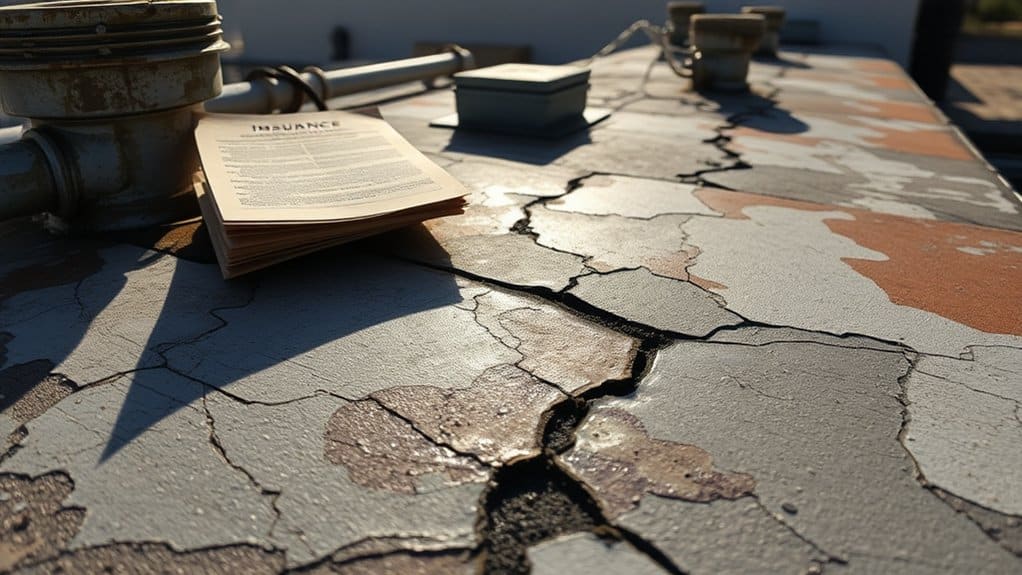
Age-related wear and tear can significantly undermine the integrity of flat roofs over time.
Most flat roofing materials have a lifespan of 15 to 30 years, and as they age, they become brittle and prone to cracking. This deterioration diminishes their ability to withstand harsh weather and temperature changes, increasing the risk of leaks.
Insurers often raise premiums for older roofs due to the higher likelihood of damage. Many homeowners underestimate their roof’s age, leading to inaccurate insurance assessments.
Being aware of these factors is crucial; proactive maintenance and timely replacements can help manage costs and ensure your insurance coverage remains valid throughout your roof’s lifespan.
Importance of Regular Roof Maintenance
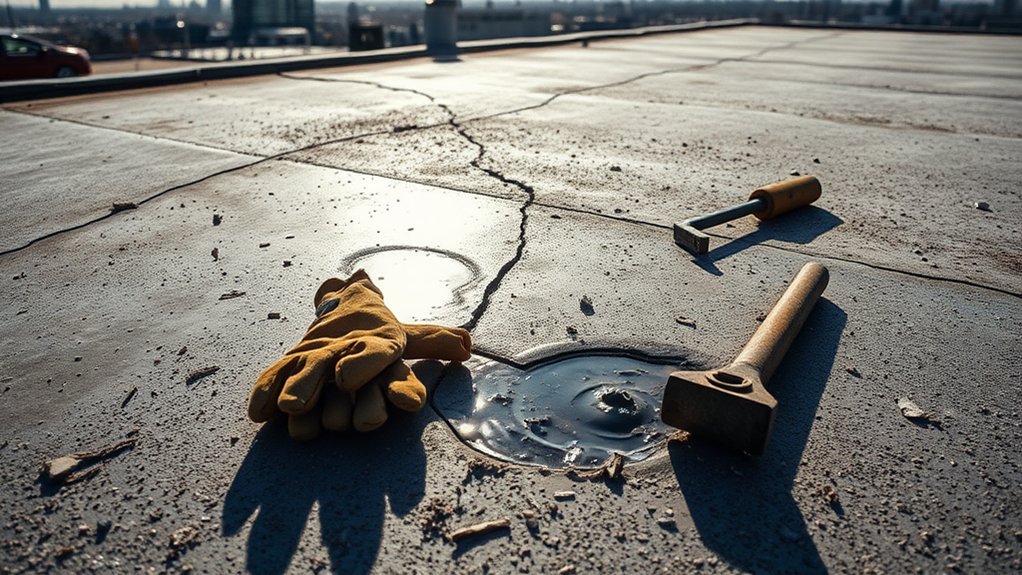
Regular roof maintenance is vital for preventing wear and tear that can jeopardise the integrity of your flat roof.
By being proactive, you increase your chances of getting insurance claims approved and safeguard your investment against unexpected expenses.
Simple practices like clearing debris and checking for leaks can keep your roof in top shape, ultimately supporting your long-term property goals.
Preventing Age-Related Damage
To effectively prevent age-related damage to your flat roof, regular maintenance is crucial. Carrying out inspections twice a year helps you spot potential issues early, allowing for timely repairs. This proactive approach can significantly reduce the risk of leaks and structural problems.
Ensuring that you use high-quality roofing materials and maintain an effective drainage system is vital. Clear away any debris and address any punctures straight away to keep your roof in good shape.
Enhancing Claim Approval Chances
Maintaining your flat roof is crucial not just for protecting your investment but also for improving your chances of having any claims approved.
Regular upkeep reduces the risk of fraudulent claims by ensuring any damage is genuine, which can help in resolving disputes more smoothly. Insurers appreciate proactive maintenance, viewing it as responsible ownership, which can also positively influence your insurance premiums.
A well-kept roof allows for clearer risk assessments, reducing the risk of exclusions due to poor maintenance or pre-existing issues.
Moreover, keeping thorough records of your maintenance activities enhances transparency, helping to minimise disputes about the validity of claims.
Identifying Maintenance Best Practices
Although you may not think about your flat roof every day, following maintenance best practices is essential for its longevity and performance.
Set up a maintenance schedule that includes inspections twice a year—in spring and autumn—to catch potential issues early. Regularly clear debris from your roof to prevent blockages that could lead to serious damage.
Check your drainage systems to ensure they work properly, as standing water can cause leaks. Address minor repairs quickly, as this can save you money in the long run.
Choosing the Right Materials for Coverage
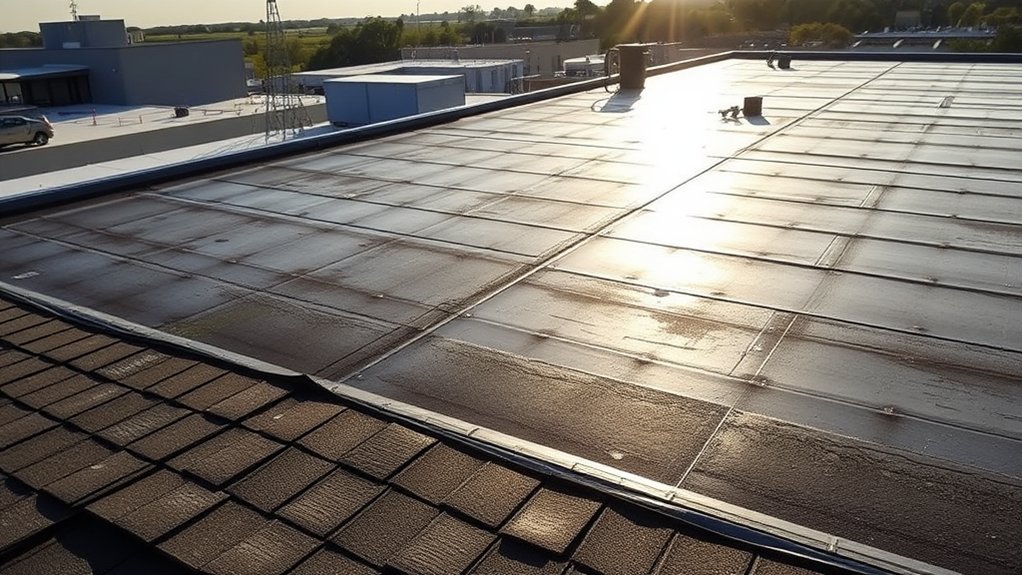
Choosing the right materials for your flat roof is crucial, not just for its appearance but also for your insurance coverage and costs.
Using durable materials like EPDM or fibreglass can prolong your roof’s life and improve its resistance to harsh weather, which may lower your insurance premiums.
However, the quality of installation is key; poor work can lead to leaks and damage, resulting in higher costs and possible exclusions from coverage.
While traditional materials like asphalt may seem cheaper at first, they often lead to greater maintenance expenses in the long run.
Reporting Issues Promptly to Secure Coverage

Investing in quality materials for your flat roof boosts its durability and impacts how you handle insurance claims.
It’s vital to report any issues within 24 to 72 hours to ensure you’re covered. Informing your insurer promptly helps you fulfil the “duty of utmost good faith” and reduces the chances of your claim being denied.
Document all damage carefully, using timestamped photos and clear communication to back up your claim. Evidence like contractor assessments and weather reports can also strengthen your case.
Avoid pitfalls such as vague descriptions or failing to mention previous repairs, as these can jeopardise your claim. Remember, thorough documentation aids in a smoother claims process and protects your interests.
Legal Considerations Surrounding Exclusion Clauses

Understanding the legal considerations around exclusion clauses is crucial for flat roof owners dealing with insurance claims. Terms like “collapse” can be vague, potentially leading to disputes.
For example, in the case of *Guyther v. Nationwide*, courts have clarified how these terms are interpreted, placing the onus on insurers to prove that exclusions are valid. Different jurisdictions may interpret these clauses differently, which can impact your coverage.
To minimise risks, ensure that your policy language is straightforward and seek legal advice to identify any ambiguities.
Regular inspections and thorough documentation can strengthen your position if disputes arise. By grasping these legal aspects, you can navigate your insurance policy more effectively and safeguard your investment.
Customizing Insurance Policies for Flat Roofs

Customising insurance policies for flat roofs requires careful consideration to ensure adequate coverage. Start by assessing the specific materials used, such as EPDM or PVC, and evaluate the roof’s condition and maintenance history. This risk assessment will inform your coverage needs and allow for flexibility in your policy.
By tailoring your policy, you can address the unique liabilities and challenges of flat roofing, including risks associated with construction and repairs. For instance, if you frequently have roof work done, it’s wise to ensure your policy covers any potential damage during these activities.
Working with specialised brokers can help you negotiate premiums and enhance your coverage options.
It’s also important to regularly review your policy to make adjustments as your property’s needs change, ensuring effective risk management and robust protection for your investment.
Enhancing Coverage With Rider Options
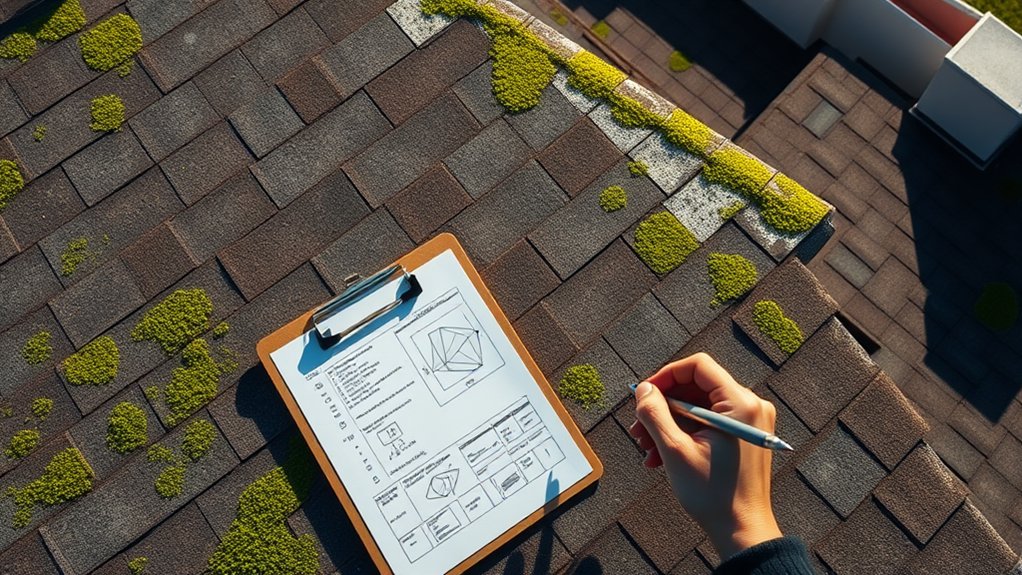
Standard insurance policies might cover some aspects of flat roofs, but it’s vital to enhance your coverage with rider options to address specific risks.
Adding these riders allows for tailored coverage:
- Ponding water endorsements to cover damage from drainage issues.
- Membrane protection riders for safeguarding seams, flashing, and material defects.
- Wind uplift coverage for any loose or detached roofing materials.
- Material-specific riders designed for PVC, TPO, or modified bitumen systems.
These riders bridge the gaps in standard policies and can help avoid costly repairs in the future.
Ultimately, they provide peace of mind, ensuring your flat roof is well protected against unique hazards.
The Role of Regular Inspections in Insurance

Regular inspections are crucial for maintaining your flat roof and meeting insurance requirements. By assessing your roof regularly, you can spot issues early on, preventing costly repairs down the line. This proactive approach reduces risks, making your property less susceptible to major damage.
Insurers often offer better premiums for well-maintained roofs and are more likely to approve claims. Keeping thorough inspection records not only safeguards your warranty but also aids in risk assessment, helping to avoid exclusions due to neglect.
In the long run, regular inspections lead to savings, increased property value, and improved insurance coverage for your flat roof.
Selecting the Right Insurer for Flat Roofs

Choosing the right insurer for your flat roof is crucial due to the specific challenges these types of roofs face.
Here are four straightforward steps to help you make the right decision:
- Compare Insurance Policies: Look at various policies to find the best coverage and rates specifically for flat roofs. For instance, some policies might cover water damage more comprehensively, which is vital for flat roofs.
- Seek Specialist Insurers: Opt for insurers that specialise in flat roof coverage. They understand the unique risks associated, such as pooling water or drainage issues.
- Check Policy Flexibility: Find options that allow you to customise your policy based on your flat roof’s specific requirements and conditions. This might include coverage for repairs or maintenance.
- Investigate Reputation and Reviews: Research customer feedback and the reliability of insurers. Look for reviews from other flat roof owners to ensure you’re choosing a trustworthy provider.
Frequently Asked Questions
What Factors Influence Insurance Premiums for Flat Roofs?
Several factors can influence the insurance premiums for your flat roof. Key considerations include the quality of the materials used, your maintenance routine, and the age of the roof. For instance, a flat roof made with durable materials like EPDM or fibreglass may lead to lower premiums, whereas older roofs or those lacking proper upkeep could increase your risk profile and costs. Regular inspections and timely repairs can also help keep your premiums manageable.
Can I Appeal a Denied Roof Claim?
Yes, you can appeal a denied roof claim. Familiarise yourself with the appeal process, collect relevant documentation, and understand the reasons for the denial. For instance, if the insurer rejected your claim due to insufficient evidence of damage, provide detailed photographs or reports from qualified professionals to strengthen your case. A well-prepared appeal can significantly improve your chances of a positive outcome.
How Often Should I Inspect My Flat Roof?
You might believe that inspections aren’t needed, but keeping up with regular roof inspections is essential. It’s recommended to check your flat roof at least twice a year and after any severe weather, such as storms or heavy snowfall, to identify potential problems early.
Are Flat Roofs More Expensive to Insure?
Yes, flat roofs can be more expensive to insure because they are prone to leaks and damage. However, they offer benefits like efficient use of space and design flexibility. It’s important to ensure your insurance covers these specific risks adequately for optimal protection.
What Should I Do if My Roof Leaks?
If your roof is leaking, first identify the source of the leak. Look for water stains on ceilings or walls. Consider repair options such as patching or sealing the affected area. It’s wise to document any damage for insurance purposes. For a thorough assessment and effective solutions, consult a professional roofer.
Conclusion
Navigating flat roof insurance can be daunting, but knowing your policy’s exclusions is crucial. Regular maintenance and inspections can help uncover hidden risks and improve your coverage. Consider adding riders that suit your specific needs to customise your policy. Choosing the right insurer is key to protecting your investment and ensuring peace of mind. Make your decision wisely.


