
Why Is My Roof Leaking in Wickford
A leaking roof in Wickford can stem from several issues, including weather damage, ageing tiles, or faulty flashing around chimneys and skylights. Heavy rain may cause tiles to wear down, while old materials can allow water to seep through the underlayment. Other common culprits include blocked gutters and poor attic ventilation, which can lead to condensation. Regular inspections are crucial for catching these problems early. By understanding the causes of roof leaks, you can address them promptly and take preventive measures to protect your home in the long run.
Key Takeaways
- Weather-related issues, such as heavy rain and strong winds, may have compromised your roof, resulting in leaks in Wickford.
- Worn or damaged tiles could expose the underlayment, allowing water to penetrate your roof.
- Poor sealing around chimneys, skylights, and HVAC fixtures can create weak spots that lead to leaks.
- Blocked gutters can cause water to accumulate on your roof, heightening the risk of leaks.
- Regular inspections and maintenance are crucial for spotting potential weak areas before they develop into leaks.
Common Causes of Roof Leaks in Wickford
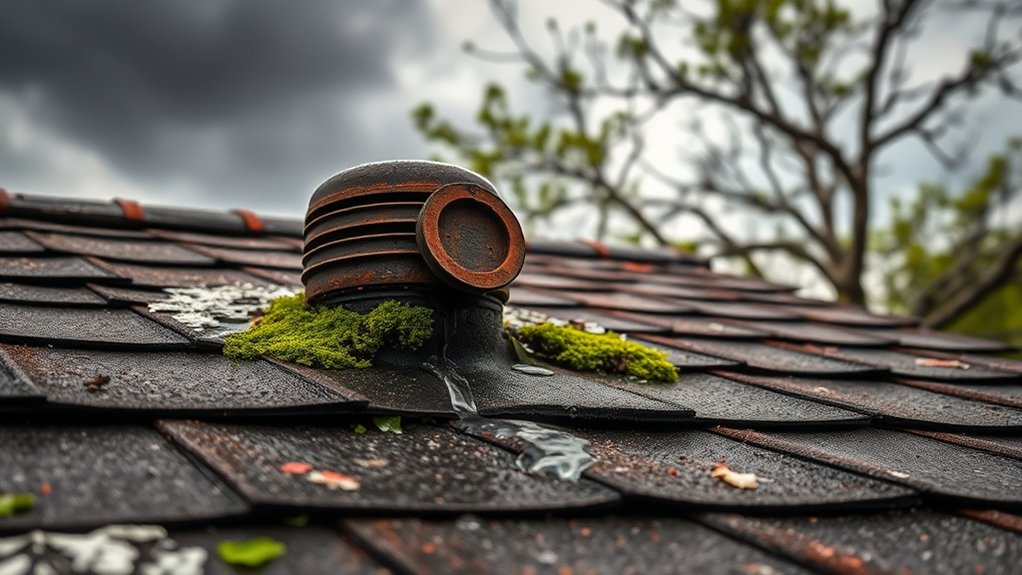
When considering roof leaks in Wickford, several common causes can lead to serious water damage.
Weather-related issues, such as consistent rain and strong winds, can damage roofing materials, creating entry points for leaks. Ageing or damaged tiles can expose the underlayment, allowing water to seep through. Additionally, failures in flashing around chimneys and skylights often lead to leaks due to corrosion or improper fitting. Common causes of roof leaks include inadequate attic ventilation, which can lead to condensation. Gutter problems, like blockages, can cause water to pool and infiltrate your roof. Regular maintenance and effective leak detection are crucial for spotting these issues early, as early identification of roof leaks can prevent extensive damage. By addressing potential problems promptly, you can safeguard your home from the extensive damage roof leaks can cause, ensuring a safe environment for you and your family.
Identifying Roof Penetrations and Weak Points
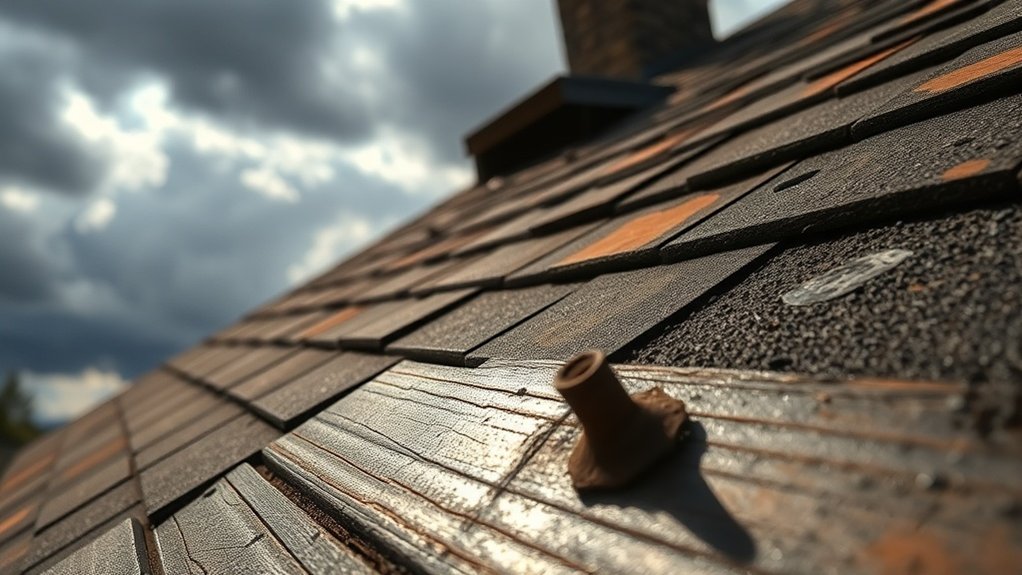
After recognising the common causes of roof leaks, it’s crucial to identify roof penetrations and weak points that can worsen these problems. Various types of penetrations, such as exhaust vents, skylights, and chimneys, can compromise your roof’s integrity. Regular maintenance is essential for preventing these vulnerabilities from escalating into serious issues. Accurate identification and evaluation of roof penetrations are essential during inspections to ensure effective repairs. Use effective inspection methods to locate these vulnerabilities.
| Penetration Type | Common Issues | Inspection Method |
|---|---|---|
| Exhaust Vents | Worn boots, loose flashing | Check the attic for stains |
| Skylights | Faulty seals, condensation | Look for gaps where light comes through |
| Chimneys | Missing crickets | Use aerial imagery for a clear view |
| Plumbing Vents | Cracked sealants | Track any water stains from inside |
The Impact of Weather on Roof Integrity
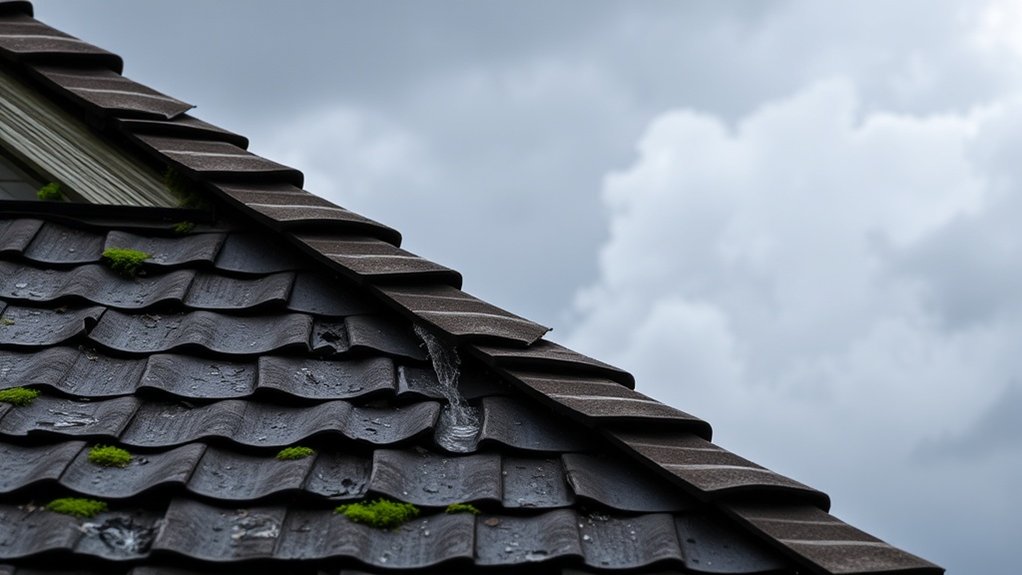
Weather significantly affects the integrity of your roof, with rain, snow, and wind presenting distinct challenges. Heavy rain can saturate roofing materials, leading to leaks, while the weight of snow and ice can cause structural strain and water pooling. Moreover, strong winds can loosen tiles and create points of vulnerability, increasing the risk of further damage. Understanding these effects is essential for effective roof maintenance, as regular inspections can help identify potential issues before they escalate into significant problems. Additionally, seasonal challenges necessitate specific management strategies to ensure that your roof can withstand the UK’s varied climate conditions.
Rain Exposure Effects
While rain is crucial for our ecosystems, prolonged exposure can seriously damage roof structures. Continuous rainfall can find its way into small cracks, particularly where shingles are damaged or sealants have aged, leading to significant issues.
When moisture builds up, it can seep through weak spots, spreading across ceilings and walls, which can be expensive to repair. Flat roofs or those with inadequate slopes can trap water, further compromising the structure. Excess moisture can hasten shingle decay and encourage moss growth and rot.
Additionally, compromised flashing around chimneys and vents can lead to leaks. To prevent these problems, regular inspections and maintenance are essential to spot and fix vulnerabilities before they turn into major headaches.
Snow and Ice Damage
Snow and ice can severely damage your roof, particularly when heavy accumulations cause excessive stress.
In the UK, roofs are typically designed to support loads of around 30–50 pounds per square foot. If snow load exceeds this capacity, it can lead to structural damage or even collapse.
Ice dams also pose a significant risk; when melted snow refreezes at colder eaves, it blocks drainage and leads to water backing up under roofing materials. Just a gallon of water trapped behind an ice dam can result in leaks, damaging insulation and promoting mould growth.
Areas like eaves, valleys, and gutters are especially at risk.
Wind-Related Vulnerabilities
When strong winds sweep through Wickford, they can seriously threaten your roof’s integrity. Wind uplift can lift shingles, creating gaps that result in leaks.
When winds reach 40 to 55 mph, asphalt shingles often start losing granules, and moderate winds of 55 to 65 mph can cause them to crease or tear. Severe winds above 65 mph may strip entire sections away, exposing your roof deck.
Additionally, wind-driven debris, like branches, can crack or dislodge shingles, increasing vulnerability. Continuous wind stress weakens fasteners and sealants, leading to cumulative damage.
Regular inspections after storms are essential to catch these issues early, helping to avoid costly repairs and ensuring your roof withstands Wickford’s weather challenges.
Specific Factors Affecting Commercial Roofs
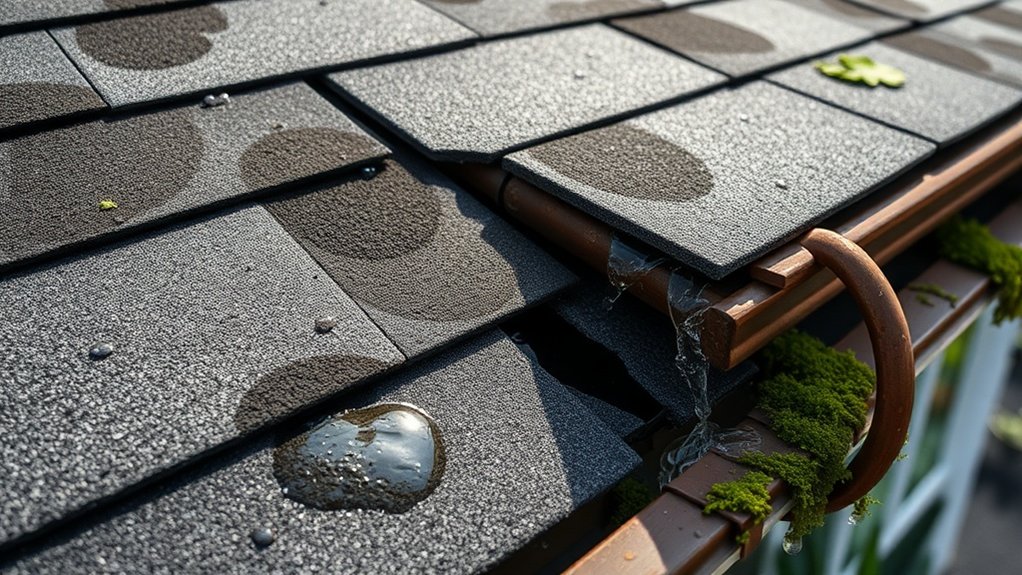
Understanding the specific factors that affect commercial roofs is essential for maintaining their durability and lifespan. Key elements, such as environmental influences and the quality of installation, significantly impact roof performance.
| Factor | Impact on Roofs |
|---|---|
| HVAC Penetrations | A primary cause of leaks due to inadequate sealing |
| Drainage Issues | Leads to water pooling, which can cause deterioration |
| Material Ageing | Weakens roofing, resulting in cracks and leaks |
| Design Flaws | Poor design can hinder effective water runoff |
Regular inspections and maintenance are vital. Ensure that penetrations are properly sealed, drainage systems are unobstructed, and the integrity of materials is maintained. By addressing these areas, you can significantly minimise the risk of leaks and prolong the life of your commercial roof.
Regional Statistics on Roof Leaks

In the UK, around 80% of roof leaks stem from regional factors, making local data crucial for effective roof management.
In Wickford, for instance, roofs over 20 years old are particularly at risk. High humidity and seasonal temperature changes worsen wear and tear, leading to more leaks.
Common issues include poor drainage and inadequate sealing around vents and skylights. Additionally, strong winds can shift shingles, compromising the roof’s integrity.
Effective Prevention and Repair Strategies

Effective prevention and repair strategies can significantly lower the risk of roof leaks in Wickford. Regular maintenance and the use of protective materials are essential. Here’s a straightforward reference table:
| Strategy | Purpose | Frequency |
|---|---|---|
| Annual Roof Inspections | Identify potential issues | Yearly |
| Gutter Cleaning | Prevent water overflow | Twice a year |
| Tree Trimming | Protect roofing materials | Annually |
| Waterproof Barriers | Prevent water seepage | During installation |
Consistent attention to these strategies will help keep your roof in good condition. Use suitable protective materials, such as waterproof barriers and flashing, to boost your roof’s durability. By being proactive, you can greatly reduce the risk of leaks and avoid expensive repairs.
Frequently Asked Questions
How Can I Tell if My Roof Needs Immediate Repair?
To determine if your roof needs immediate repair, consider scheduling a roof inspection. Look out for signs such as water stains on ceilings, missing or damaged tiles, and any sagging areas. Tackling these issues quickly can help prevent leaks and maintain your home’s structural integrity.
What Are the Signs of Hidden Roof Leaks?
You won’t believe the hidden damage above! Look for water stains on ceilings, sagging panels, or damp, musty smells. These signs can indicate leaks before they become a bigger problem, helping you protect your home and ensure safety.
How Often Should I Inspect My Roof?
You should inspect your roof at least once a year, ideally twice—once in spring and once in autumn. This regular check-up helps identify issues early, ensuring your roof remains in good shape and protecting against damage from the unpredictable British weather.
Can I Repair Roof Leaks Myself?
Yes, you can certainly attempt DIY roofing! If you have a good eye for spotting leaks, you can seal small cracks and replace missing tiles. However, for more complicated problems, it’s wise to call in a professional to ensure the repairs are effective and durable.
What Materials Last Longest for Roofing in Wickford?
For long-lasting roofing in Wickford, opt for slate or clay tiles for their durability. Metal roofing can last between 40 to 70 years, while asphalt shingles typically last around 15 to 30 years. It’s essential to choose materials that offer a good balance of longevity, maintenance, and overall performance to suit your needs.
Conclusion
In Wickford, roof leaks can arise from various issues, particularly during severe weather or due to neglected maintenance. Common culprits include damaged tiles, blocked gutters, or worn-out flashing. Being aware of these potential problems allows you to tackle them before they worsen. Remember, even a small leak can jeopardise your roof’s structure and diminish your property’s value. Regular inspections and prompt repairs are essential to avoid expensive damage later on. Don’t let a minor leak escalate into a major headache.