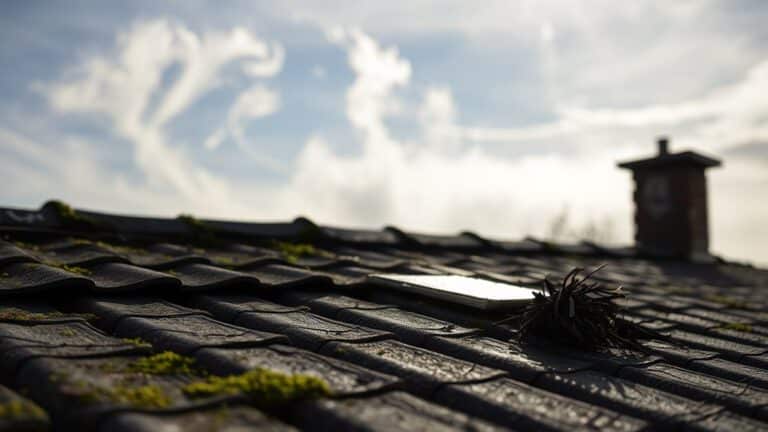

What Causes Roof Leaks in Basildon Homes
Roof leaks in Basildon homes can arise from several common issues. Weather conditions, such as ice dams and freeze-thaw cycles, are major contributors. Additionally, damaged or missing roofing materials and improperly installed flashing can lead to serious leaks.
Inadequate drainage systems and a lack of regular maintenance increase the chances of water intrusion. Temperature changes can also weaken roofing structures over time. To prevent these problems, regular inspections are essential. By addressing these issues early, you can protect your home from costly damage.
Key Takeaways
Causes of Roof Leaks in Basildon Homes
- Weather-related issues, like ice dams and freeze-thaw cycles, can cause roof leaks.
- Damaged or missing roofing materials create weak spots, allowing water to enter and potentially causing structural damage.
- Poorly installed or worn flashing can lead to gaps, letting moisture seep into the house.
- Blocked or faulty drainage systems can result in water pooling, raising the risk of leaks.
- Aging roofs and inadequate maintenance greatly increase the chances of leaks and expensive repairs.
Weather-Related Causes of Roof Leaks

When winter weather hits, the likelihood of roof leaks in Basildon homes increases significantly due to several weather-related factors.
Ice dams can form when melted snow refreezes at the eaves, trapping water under the shingles and leading to leaks. Freeze-thaw cycles cause roofing materials to expand and contract, creating cracks where water can seep in. Accumulated ice can also block gutters, resulting in water backing up. Additionally, age-related wear and tear makes roofs more susceptible to leaks during winter storms, as aging materials are less flexible and more prone to damage. Regular inspections and prompt repairs are essential for maintaining roof longevity and preventing major issues.
Additionally, condensation in the attic during colder months raises moisture levels, which can lead to leaks and structural damage. The strain from winter precipitation, combined with these issues, accelerates the wear on roofing materials, making them more prone to failure.
Being aware of these problems can help you safeguard your home against leaks this winter.
Damaged or Missing Roofing Materials

When roofing materials are damaged or missing, it can lead to serious issues for your home. You might notice leaks, water ingress, or even structural damage if these problems aren’t dealt with quickly. Spotting the signs of roofing damage is crucial for maintaining the integrity of your roof and preventing further complications. For instance, if you see damp patches on your ceiling or find missing tiles in your garden, it’s time to take action. Additionally, using durable corrugated metal sheets can enhance the longevity of your roofing system and minimize the risk of leaks. Regular maintenance and inspections can help identify potential problems early, preventing costly repairs and ensuring your roof remains in good condition.
Types of Roofing Damage
Roof damage can significantly undermine the safety of your home, leading to leaks and structural issues if not dealt with swiftly. One prevalent problem is shingle curling, which often results from inadequate attic ventilation and moisture build-up, leaving your roof susceptible to leaks. Additionally, poor ventilation can exacerbate issues by causing heat buildup that further deteriorates roofing materials. Regular inspections can prevent water damage by identifying these vulnerabilities early on.
Similarly, tile cracking can occur due to hail impacts or shifts in temperature, compromising their ability to resist water. Both of these issues indicate an ageing roof that requires urgent attention.
Moreover, granule loss can expose shingles to harmful UV rays, hastening their deterioration. Regular inspections are crucial for spotting these problems early, which can save you from hefty repair bills later on.
Impact of Missing Materials
Missing or damaged roofing materials can seriously compromise your home’s structure. When shingles or tiles are missing, the roof deck becomes vulnerable to the elements, raising the risk of water leaks.
For instance, just one missing shingle can create multiple points for moisture to penetrate.
Regular roof inspections are crucial for catching these issues early and preventing further damage. Simple repairs, like replacing missing materials and ensuring proper sealing, can help restore your roof’s integrity.
Addressing these problems promptly not only boosts durability but also safeguards your home’s overall health and safety.
Signs of Roof Issues
Spotting signs of roof problems early can save you from expensive repairs later on. Check for cracked, curled, or missing tiles, as these indicate wear and tear.
If you notice granules building up in the gutters, it’s a sign of surface wear and possible leaks. Discolouration on tiles may suggest moisture retention or algae growth, which can weaken your roof.
Exposed nail heads often point to displaced tiles, creating entry points for water. Regularly inspect for cracks or gaps in the roofing materials, as these can allow water to seep in.
Flashing and Penetration Failures

Flashing and penetration failures are frequent causes of roof leaks in homes.
Poorly installed or worn flashing can create gaps, allowing water to seep in, especially around crucial areas like chimneys and vents.
Likewise, roof penetrations, if not properly sealed and maintained, can become entry points for moisture, resulting in considerable damage over time.
Common Flashing Issues
Many homeowners overlook the importance of proper flashing, but it’s crucial for preventing roof leaks. Common issues often arise from poor installation, unsuitable materials, and the wear and tear of weather.
For example, extreme temperature changes can cause flashing to warp or pull away, creating gaps for water to enter. Regular maintenance is vital to spot signs of corrosion, rust, or cracks that could lead to leaks.
Additionally, structural movement can loosen flashing, reducing its effectiveness. Areas like valleys and joints are particularly susceptible and need expert sealing to work properly.
Roof Penetration Vulnerabilities
Roof penetrations, such as pipes, vents, and HVAC units, can create significant vulnerabilities that may lead to leaks if not managed properly.
In fact, poor sealing of these penetrations can be responsible for over 75% of flat roof failures. To avoid these problems, consider the following:
- Thorough Cleaning: Ensure that all penetrations are free from dirt and debris before applying sealant.
- Proper Priming: Use the right primers to improve sealant adhesion and reduce the risk of early failures.
- Stabilisation: Secure penetrations to minimise movement, which can lead to cracked sealant.
Often, inadequate surface preparation is the main cause of sealant failure.
Poor Installation and Structural Design Issues

When roofing systems are rushed or poorly designed, homeowners in Basildon risk serious issues like leaks and structural damage.
Installation mistakes, such as incorrect tile overlap and uneven placement, create weak spots that allow water to enter. Insufficient overlap can let moisture seep through gaps, while exposed nails show a lack of care.
Design flaws, like misaligned underlays, can cause water to track under shingles, increasing the chance of leaks. Furthermore, poorly fitted flashing around roof openings and inadequate ventilation can worsen moisture problems.
Blocked or Faulty Drainage Systems

Blocked or faulty drainage systems can cause major water management problems for homeowners in Basildon.
When drains and gutters get blocked, it can lead to water pooling, which increases the risk of leaks and can damage roofing materials.
To avoid these issues, keep these tips in mind:
- Regular maintenance: Clean your gutters and drains regularly to prevent blockages.
- Timely inspections: Check your drainage system at least twice a year, particularly after heavy rainfall, to catch any potential problems early.
- Downspout management: Ensure downspouts are clear and directing water away from your home’s foundation to prevent water damage.
Aging and Lack of Maintenance

As roofs age, they become more prone to leaks and damage, especially when maintenance is overlooked.
Shortcuts taken during installation can compromise the roof’s durability, resulting in early failures and a shorter lifespan. Poor fastening and inadequate integration of roofing layers make repairs more complicated and can lead to water ingress.
To avoid these problems, inspect your roof at least twice a year, ideally in spring and autumn, looking for signs of wear such as cracked tiles or moss growth.
Delaying repairs can worsen issues, leading to expensive replacements when simple fixes would suffice. Regular maintenance ensures your roof remains effective, safeguarding your home and investment for years.
Don’t underestimate the importance of consistent upkeep.
Effects of Temperature Fluctuations

Temperature fluctuations can severely affect your roof’s integrity, leading to leaks and structural problems. The cycle of thermal expansion and contraction can cause roofing materials to crack and loosen, allowing water to infiltrate.
Here are three key effects to consider:
- Thermal Stress: Continual expansion and contraction can weaken materials, especially metal flashing and fixings, making them more susceptible to failure.
- Freeze-Thaw Cycles: Water that seeps into cracks can freeze, expand, and exacerbate damage, resulting in significant leaks.
- Insulation Issues: Insufficient insulation can worsen temperature variations, increasing the risk of ice dam formation and moisture accumulation.
Being aware of these effects can help you maintain your roof and prevent costly repairs.
Impact of Moss and Algae Accumulation

Temperature fluctuations can certainly damage your roof, but the accumulation of moss and algae is a major threat to its integrity. Moss acts like a sponge, holding onto moisture and creating the perfect environment for algae to thrive. This trapped moisture can infiltrate your roof, leading to wood rot and weakening the structure.
| Issue | Consequence |
|---|---|
| Moss Growth | Water retention on the roof |
| Algae Formation | Unsightly dark patches on shingles |
| Shingle Damage | Higher risk of leaks |
| Structural Weakening | Potentially expensive repairs |
If these problems are not addressed, they can result in leaks, mould growth, and even necessitate a complete roof replacement. Regular maintenance is crucial to safeguard your home and ensure the safety of your family.
Frequently Asked Questions
How Can I Tell if My Roof Needs Repairing?
You can tell if your roof needs repairing by checking for missing tiles, damp patches indoors, or sagging sections. Regular maintenance and following inspection tips can help spot potential problems before they worsen.
What Are the Signs of a Roof Leak?
If you notice unusual water stains on your ceiling or find mould and damp insulation, it could indicate a roof leak. Being aware of these signs can help you address the issue before it escalates into a bigger problem.
Can Roof Leaks Cause Interior Damage?
Yes, roof leaks can lead to considerable interior damage. You may see water stains on ceilings and walls, and there’s a risk of mould growth, which can affect the look of your home, its structural safety, and air quality. This can result in health issues and expensive repairs down the line.
How Often Should I Inspect My Roof?
You should inspect your roof at least once a year, but aim for twice a year for the best maintenance. Spotting problems early can save you up to 75% on future repair costs. Staying proactive is key!
What Should I Do if I Find a Leak?
If you discover a leak, quickly implement temporary fixes such as covering the area with a tarpaulin. Then, get in touch with a professional for repairs. Make sure to document the damage for any insurance claims and arrange for a thorough inspection to avoid future problems.
Conclusion
In summary, roof leaks in homes across Basildon can arise from several factors such as weather damage, poor installation, and worn-out materials. Regular maintenance and early detection of potential issues are key to stopping a minor drip from escalating into a serious problem. A well-kept roof is essential for protection against the unpredictable British weather. Don’t let leaks ruin your home—act now to safeguard your investment and ensure a dry, safe living environment.