
The Cost of Roof Insulation in the UK: What to Expect
In the UK, the cost of roof insulation generally ranges from £400 to £600, covering both materials and labour. The type of insulation you select can significantly influence the price—fibreglass costs about £10 per m², whereas spray foam can go up to £55-70 per m². Installation can take anywhere from one to five days, depending on the size and complexity of your roof. By understanding these factors, you can budget wisely and improve your home’s energy efficiency.
Key Takeaways
Roof insulation costs in the UK typically range from £400 to £600, which includes both materials and labour. The total cost can vary based on the type of insulation and the size of your roof. For instance, quilted insulation usually averages around £10 per square metre, while spray foam insulation can set you back between £37 and £70 per square metre.
Installation times can vary from 1 to 5 days, depending on factors like the size of the roof, its complexity, and accessibility.
Investing in proper insulation can significantly reduce heat loss by 20-30%, potentially saving you up to £1,500 annually on heating bills. Additionally, a well-insulated home might see a property value increase of 5% to 10% and benefit from better energy performance ratings.
Overview of Roof Insulation Costs

When looking at roof insulation costs in the UK, it’s important to know the factors that affect pricing. On average, you can expect to pay between £400 and £600, which includes both materials and labour, with most jobs taking one to two days to complete. The type of insulation you choose has a big impact on the total cost; for example, quilt insulation tends to cost about £10 per m², while spray foam can go up to £37 per m². Additionally, investing in insulation can lead to approximately £250 in savings on energy bills each year. Proper installation is essential for achieving the desired U-value requirements, which can further influence cost-effectiveness. The type of property also matters—insulating a terraced house is usually cheaper than a detached one. Regular maintenance of your roof can add to costs too, especially if you need to move wires or make other adjustments. Therefore, planning ahead and choosing the right materials is key to keeping costs manageable.
Types of Roof Insulation
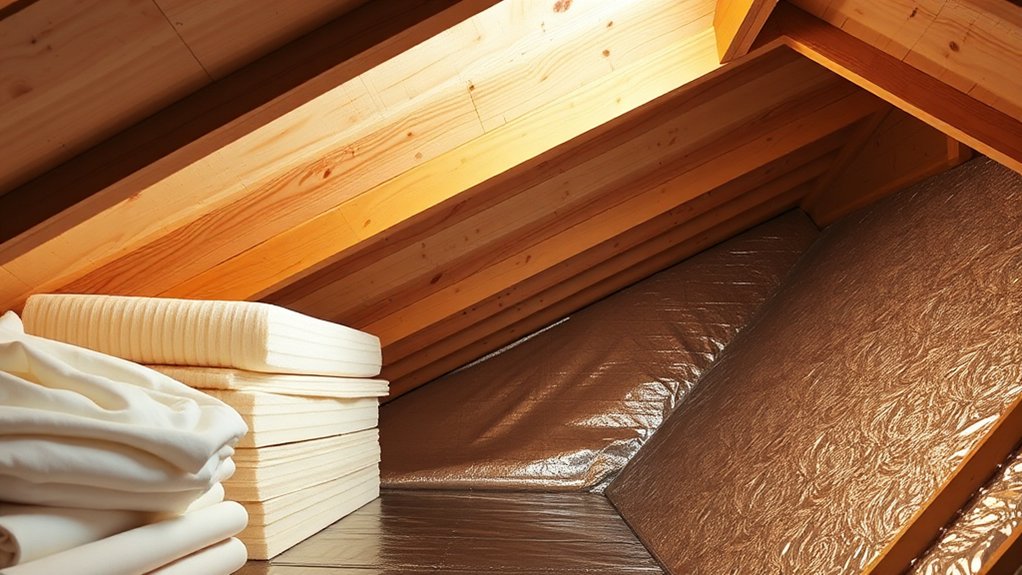
Understanding the different types of roof insulation is essential for making informed choices for your project.
Natural options like sheep wool and cellulose offer excellent thermal performance and moisture management but can attract pests. While these eco-friendly materials tend to be pricier, they often last longer. Additionally, proper roof insulation can save up to £230 annually on energy bills.
On the other hand, fibreglass and mineral wool are budget-friendly and straightforward to install, though they may require moisture barriers to function effectively.
Rigid foam boards provide high thermal efficiency but can be complex and costly to install.
Spray foam insulation offers outstanding performance and sealing properties but should be applied by professionals.
Factors Influencing Cost

Several key factors influence the cost of roof insulation, so it’s important to assess them before starting your project. A clear cost breakdown can help you see how your choice of materials affects your overall expenses.
| Factor | Influence on Cost |
|---|---|
| Roof Size and Complexity | Larger and more complex roofs require additional materials and labour. |
| Material Type | Options vary from fibreglass (£10/m²) to spray foam (£55-£70/m²). |
| Installation Accessibility | Hard-to-reach areas can increase labour costs. |
Keep these considerations in mind to make an informed decision. The state of your existing insulation and any extra services needed will also impact your budget, so planning ahead is crucial for a successful insulation project. Additionally, investing in roof insulation can lead to significant energy bill savings for homeowners, further justifying the initial costs.
Benefits of Roof Insulation

Roof insulation provides major energy efficiency benefits, helping you save on energy bills and boost your home’s performance rating.
By minimising heat loss, it lowers your carbon footprint and can even increase your property’s market value.
Investing in insulation not only supports environmental goals but also offers long-term financial advantages.
For instance, a well-insulated loft can keep your home warmer in winter and cooler in summer, making it a more comfortable place to live year-round. Additionally, achieving a U-value of 0.18 W/m²K enhances thermal performance and energy savings.
Energy Efficiency Advantages
Here’s how effective insulation can improve your home:
- Lower Heating Bills: Insulation can reduce energy costs by up to a third, potentially saving you over £1500 a year.
- Better Energy Performance Ratings: Well-insulated homes often achieve EPC ratings of C or higher, indicating improved energy efficiency.
- Increased Comfort: Insulation helps maintain a consistent indoor temperature, minimising drafts and keeping your home warm without relying too heavily on heating.
- Enhanced Energy Savings: With high R-value insulation, you can significantly lower heat transfer, leading to lower energy bills throughout the year.
In short, proper roof insulation is a smart investment that pays off in comfort and savings.
Environmental Impact Reduction
As homeowners in the UK focus more on sustainability, the importance of roof insulation in reducing environmental impact becomes clear. Proper insulation significantly cuts down on greenhouse gas emissions, reduces reliance on fossil fuels, and supports climate goals.
For instance, insulation schemes in the UK have saved approximately 60 million tonnes of CO2—equivalent to the emissions from driving 10,750 miles each year.
Choosing sustainable materials for insulation enhances these benefits, as eco-friendly options usually have lower embodied carbon. This not only improves indoor air quality but also supports the circular economy.
Effective roof insulation helps maintain stable indoor temperatures, prevents energy waste, supports grid stability, and contributes to national climate targets.
In short, by insulating your home, you’re playing a vital role in creating a healthier planet.
Increased Property Value
Investing in roof insulation not only improves your home’s energy efficiency but also significantly increases its market value.
With the right insulation, you can expect:
- A value increase of 5% to 10%, depending on the insulation type.
- Greater market appeal due to lower energy bills and enhanced comfort.
- A potential return on investment; for example, a £2,500 investment could raise your property value by up to £10,000.
As market trends show, well-insulated homes fare better in property appraisals, attracting buyers who prioritise energy efficiency.
Roof Insulation Compared to Other Insulations
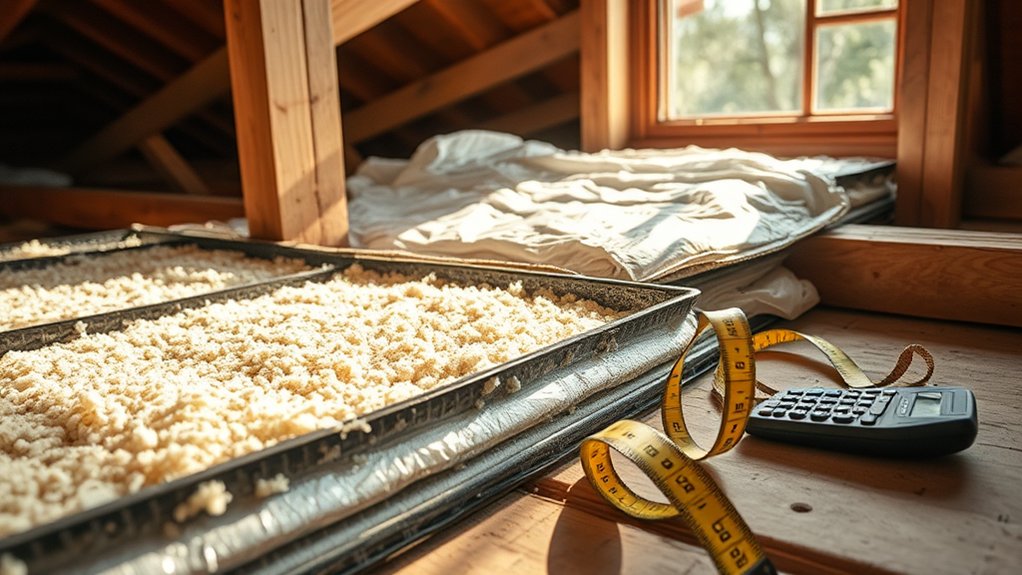
When you compare roof insulation to other insulation types, it clearly stands out as a budget-friendly option for homeowners. With installation costs averaging around £450, it is significantly cheaper than cavity wall or solid wall insulation, which can cost as much as £12,000. Plus, it delivers impressive energy savings, typically between £200 and £380 per year.
| Insulation Type | Average Cost | Annual Energy Savings |
|---|---|---|
| Roof Insulation | £450 | £200 – £380 |
| Cavity Wall Insulation | £2,700 | £280 |
| Solid Wall Insulation | £7,500 | £380 |
| Floor Insulation | £4,700 | £80 |
Given the various roof types and insulation materials available, roof insulation is a sensible choice for improving energy efficiency and lowering carbon emissions.
Installation Process and Timeline
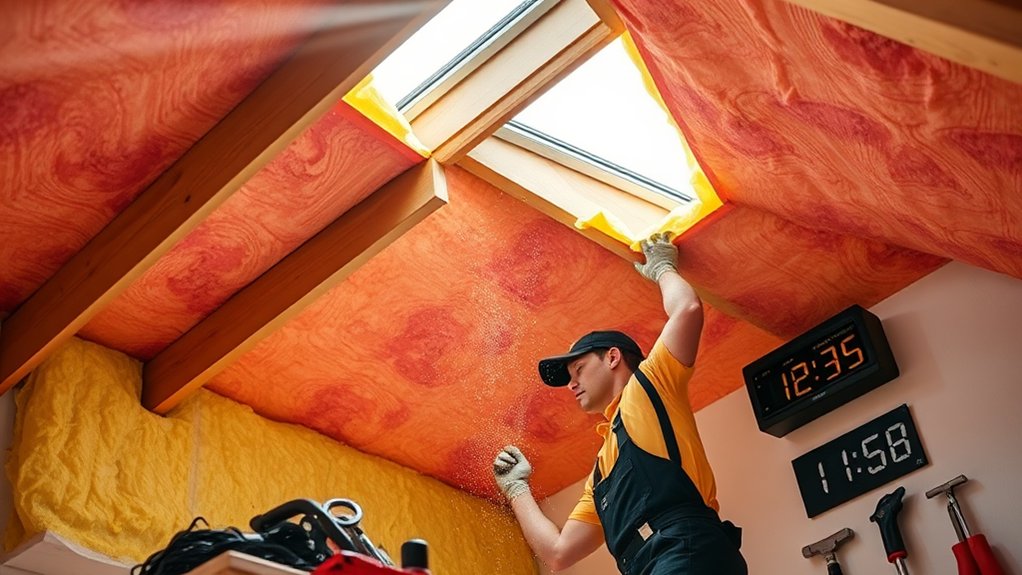
The installation process for roof insulation consists of several important stages to ensure efficiency.
Here’s what you can expect:
- A comprehensive survey to evaluate suitability and measure the loft area.
- Choosing the right insulation materials, including vapour control layers to prevent moisture build-up.
- Meticulous installation using tested methods to guarantee airtightness and thermal efficiency.
Typically, installations take between 1 to 5 days, depending on the size and complexity of the loft.
Professional teams generally aim to complete the job within a week, although factors like weather and access can cause delays.
Finding and Hiring Installers
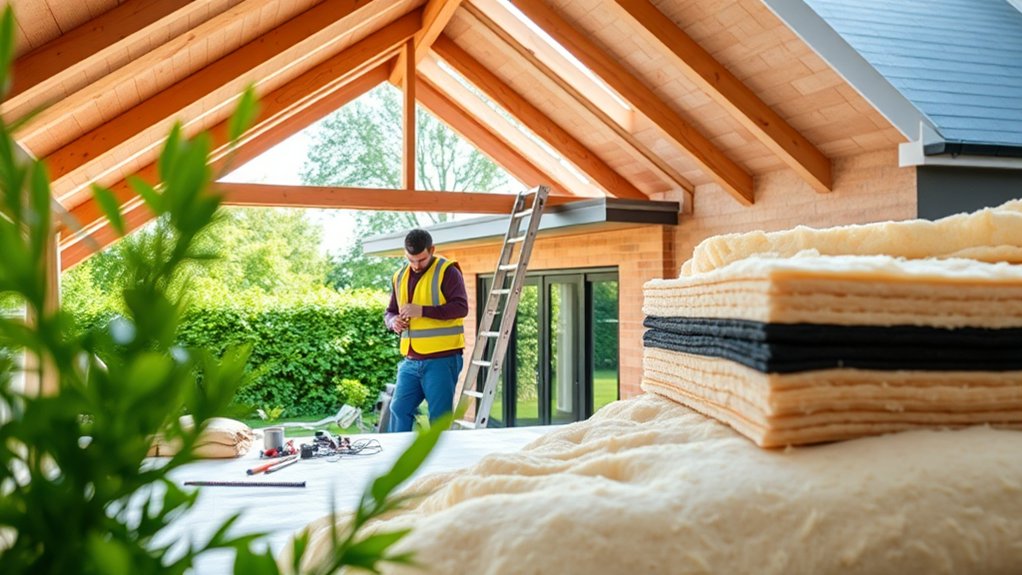
After ensuring a thorough installation process, choosing qualified installers is crucial for effective roof insulation.
Start by checking credentials from reputable organisations like the Insulation Assurance Authority (IAA) and the National Insulation Association (NIA). Look for qualifications such as TrustMark certification and PAS 2030-2035, which ensure compliance with regulatory standards.
Use online resources like GreenMatch to find local installers who meet these criteria, and check customer reviews for reliability. Selecting installers affiliated with recognised associations helps you avoid unqualified tradespeople and ensures eligibility for necessary guarantees.
A well-qualified installer not only provides quality work but also enhances the long-term energy efficiency of your home.
Potential Government Incentives

When considering roof insulation, it’s worth looking into government incentives that can help reduce costs and boost energy efficiency in homes across the UK.
These grants and schemes are particularly aimed at supporting low-income households and promoting sustainability. Here are the key points to keep in mind:
- The Energy Company Obligation (ECO) and the Great British Insulation Scheme (GBIS) provide significant funding for insulation.
- Eligible households could receive up to 100% of installation costs, with a focus on supporting vulnerable families.
- Certain schemes may offer up to £15,000 per property for comprehensive energy upgrades, including insulation.
Long-Term Savings and Energy Efficiency
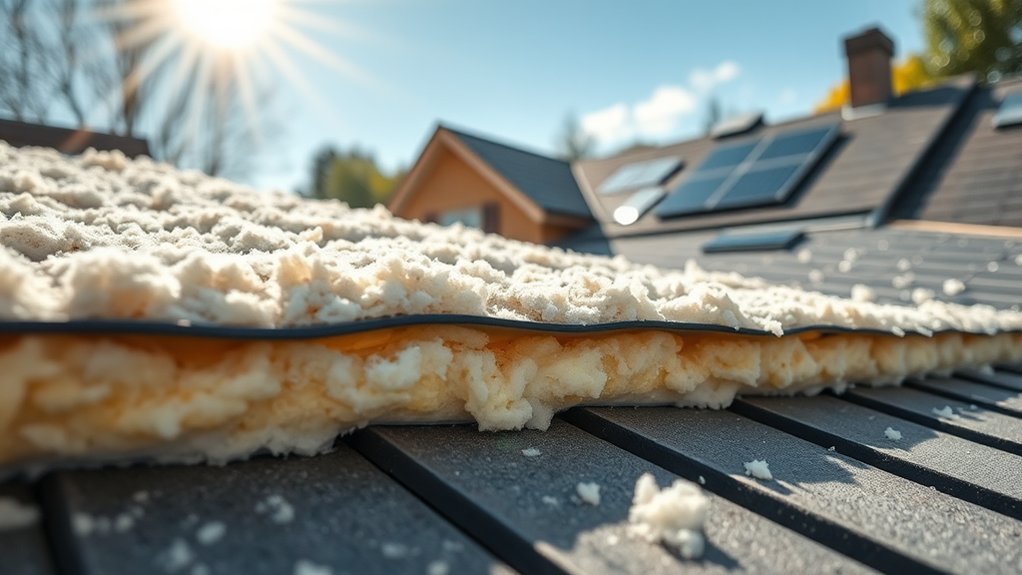
Investing in roof insulation boosts your home’s energy efficiency and leads to significant long-term savings on energy bills. Proper insulation can reduce heat loss, resulting in heating savings of 20-30%.
Homes with at least 125mm of loft insulation retain heat more effectively, which means less reliance on heating systems. Over time, the savings often outweigh the initial installation costs.
Moreover, improved insulation enhances your Energy Performance Certificate (EPC) rating, which can increase your property’s value.
Frequently Asked Questions
How Can I Prepare My Roof for Insulation Installation?
To prepare your roof for insulation installation, start by clearing any debris. Next, check the structural integrity to ensure everything is sound. Address any damp areas, as moisture can compromise insulation. Ensure proper ventilation to prevent condensation issues. Choose the right insulation materials suited for your roof type. Lastly, adhere to safety regulations throughout the process. This preparation will enhance insulation effectiveness and ensure it lasts.
What Are Common Mistakes to Avoid During Insulation Installation?
Did you know that poor insulation installation can cut effectiveness by as much as 30%? To avoid common mistakes, choose the right insulation materials, take accurate measurements, seal any gaps, and follow local regulations. For instance, using the correct thickness of insulation can make a significant difference in energy efficiency. Keep these tips in mind for the best results.
Is Roof Insulation Suitable for All Types of Homes?
The suitability of roof insulation depends on the type of roof and the materials used. Most homes in the UK can benefit from insulation, but it’s important to consider structural limitations and ensure compliance with building regulations for effective installation and energy efficiency. For example, a thatched cottage may require different insulation methods compared to a modern flat roof home. Always consult a professional to determine the best approach for your specific property.
How Do I Maintain My Roof Insulation Over Time?
Did you know that insulation can last for up to 40 years? To keep it in good shape, regularly check for any damage, ensure there’s proper ventilation, and follow maintenance tips to prevent moisture build-up. This will help prolong its effectiveness and performance.
Can Roof Insulation Help With Soundproofing?
Yes, roof insulation significantly helps with sound reduction. High-density materials, such as acoustic mineral wool, are effective at absorbing noise and minimising external disturbances. This creates a quieter living space, enhancing your comfort at home and potentially increasing your property’s value. For example, if you live near a busy road, proper insulation can help block out unwanted traffic noise.
Conclusion
In summary, investing in roof insulation can significantly improve your home’s energy efficiency and comfort. Remember, “every little helps,” as the savings on energy bills can add up over time. By being aware of the costs, types, and installation methods, you can make smart choices that benefit both your finances and the environment. Also, consider looking into government incentives that could enhance your investment in roof insulation.


