
Why Roof Inspections Are Essential for UK Homeowners
Regular roof inspections are vital for UK homeowners to protect their investment. They ensure compliance with building regulations, particularly regarding energy efficiency. By identifying issues early, you can avoid costly repairs and prolong your roof’s lifespan. Inspections also boost your home’s appeal and energy efficiency, both of which are key selling points for potential buyers. Additionally, they support sustainability by reducing waste. Overall, these assessments can save you money and enhance your home’s value.
Key Takeaways
- Regular roof inspections help spot minor issues early, saving you from expensive repairs and prolonging your roof’s lifespan. For instance, a small leak can be fixed for a fraction of the cost compared to waiting until it causes major damage.
- Inspections ensure that your roof complies with UK regulations, helping you avoid fines and ensuring that safety standards are upheld.
- A thorough roof assessment can uncover hidden defects, which can be crucial during property negotiations and for budgeting future repairs.
- Keeping your roof in good condition boosts energy efficiency, improving insulation and potentially lowering your energy bills. For example, a well-sealed roof can keep your home warmer in winter and cooler in summer.
- Regular inspections also enhance your property’s value and appeal, making it more attractive to potential buyers when you decide to sell. A well-maintained roof is often a key factor for buyers looking for a new home.
Understanding UK Roofing Regulations
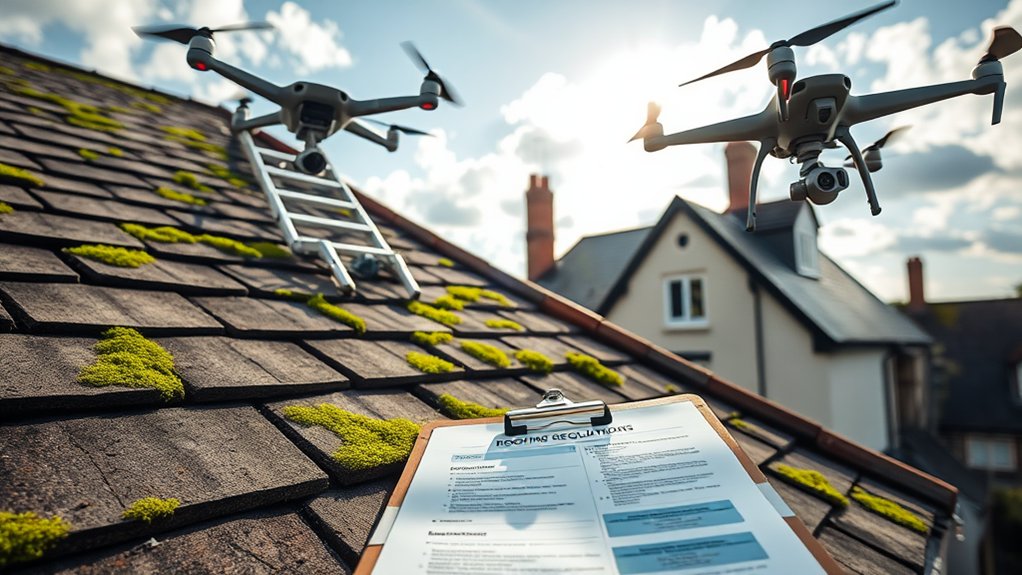
Understanding UK Roofing Regulations
Navigating roofing regulations in the UK can be straightforward if you know what to focus on.
Start with Part L of the Building Regulations, which centres on energy efficiency and reducing carbon emissions. Here’s a quick breakdown of U-value requirements:
- New builds: U-value of 0.11 W/m²K
- Retrofits: U-value of 0.16 W/m²K
- Flat roofs: U-value of 0.18 W/m²K
It’s also crucial to ensure your roofing materials meet fire safety standards, specifically BS 13501 for fire resistance. Additionally, insulating roofs can significantly enhance energy efficiency and help lower heating bills. Regular inspections are vital for maintaining compliance with regulations and extending the roof’s lifespan.
If you’re planning a major roof replacement, remember to obtain a Compliance Certificate from your local authority’s Building Control. This step is key to ensuring you comply with regulations.
The Importance of Regular Roof Inspections
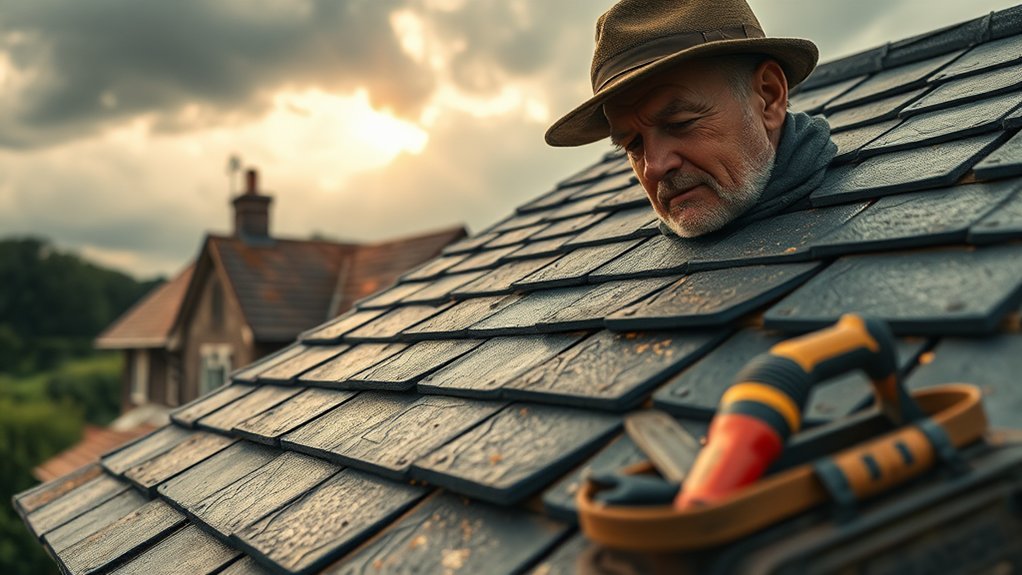
Regular roof inspections are crucial for maintaining the integrity and longevity of your home.
It’s advisable to carry out inspections at least twice a year, ideally in spring and autumn, to prepare your roof for extreme weather. These checks help identify hidden leaks and damage early, which can significantly extend your roof’s lifespan. Additionally, early detection of issues can prevent significant damage by addressing problems promptly. Regular inspections also boost property value, as potential buyers are more attracted to well-maintained roofs.
If your roof is older or has had repairs, you might need to inspect it more frequently. For example, an old slate roof may require more regular checks compared to a newer tiled roof.
By spotting potential issues early, you can avoid costly repairs and ensure your home remains safe.
Consulting with roofing professionals can give you tailored advice, ensuring your roof stays in good shape and protects your investment for years to come.
Benefits of Timely Roof Assessments

Many homeowners underestimate the importance of regular roof assessments, but prioritising them can lead to significant advantages. Early detection of issues like loose tiles or worn coverings prevents small problems from turning into expensive repairs. Regular maintenance not only extends your roof’s lifespan but also protects your property’s structural integrity from weather damage. Additionally, regular inspections can prevent 95% of roofing issues, ensuring that minor problems are caught before they escalate. Moreover, timely assessments can improve energy efficiency by pinpointing areas of heat loss, helping you save on energy bills. A well-maintained roof also enhances your property’s market appeal and value, reassuring potential buyers. Furthermore, engaging experienced inspectors familiar with regional materials and regulations ensures thorough evaluations and compliance with local standards.
Roof Inspections During the Conveyancing Process
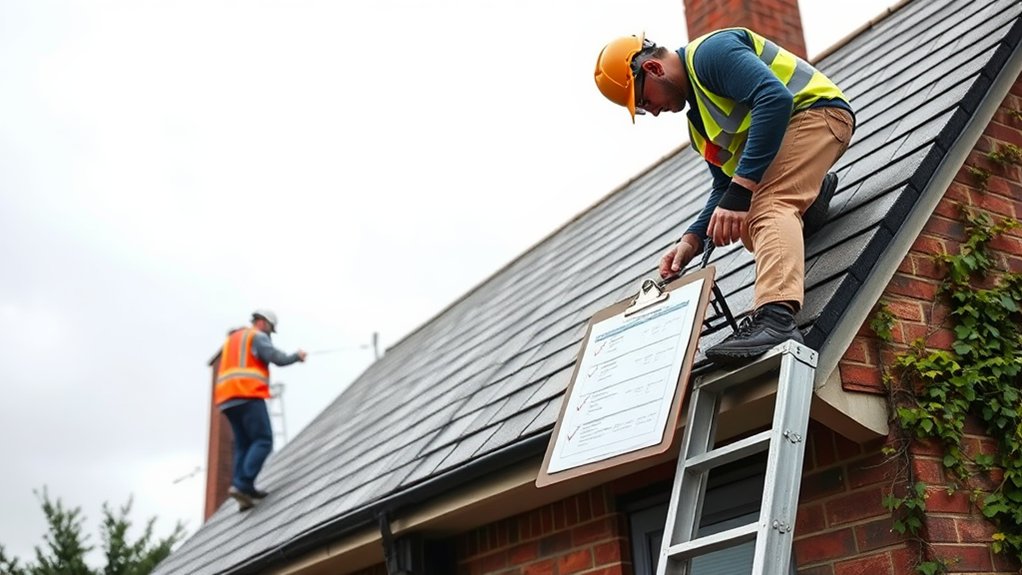
During the conveyancing process, roof inspections can reveal hidden problems that may not be immediately obvious, helping you avoid unexpected costs down the line.
For example, discovering issues like leaks or structural damage early on can give you leverage to negotiate a better price or request repairs from the seller.
In short, a thorough roof assessment allows you to make informed decisions that safeguard your investment.
Uncover Hidden Issues
To ensure you’re making a wise investment, it’s crucial to identify any hidden issues with the roof before completing a property purchase. Conducting roof inspections during the conveyancing process can uncover concealed problems such as leaks, cracked tiles, and structural weaknesses that may not be visible from the ground.
Hiring a qualified surveyor provides a thorough assessment, revealing defects that aren’t easily seen, like worn underlayment or weakened rafters. This proactive strategy helps you plan for necessary repairs, preventing unexpected expenses down the line.
Negotiate Property Price
If a roof inspection uncovers major issues, it’s essential to re-evaluate the property’s worth before completing the sale. Such findings can be a solid basis for negotiating the price, particularly if repair estimates suggest expensive fixes. Being aware of your inspection results can enhance your negotiating power during the conveyancing process.
| Issue Type | Estimated Repair Cost | Negotiation Strategy |
|---|---|---|
| Missing Tiles | £500 – £1,500 | Request a price reduction |
| Damaged Flashing | £1,000 – £2,500 | Request the repairs to be completed |
| Structural Weakness | £3,000+ | Renegotiate the purchase price |
Maintain clear communication and obtain quotes to bolster your case. Having legal representation ensures that any revised terms are fair and legally binding for both parties.
Safety and Health Considerations in Roofing
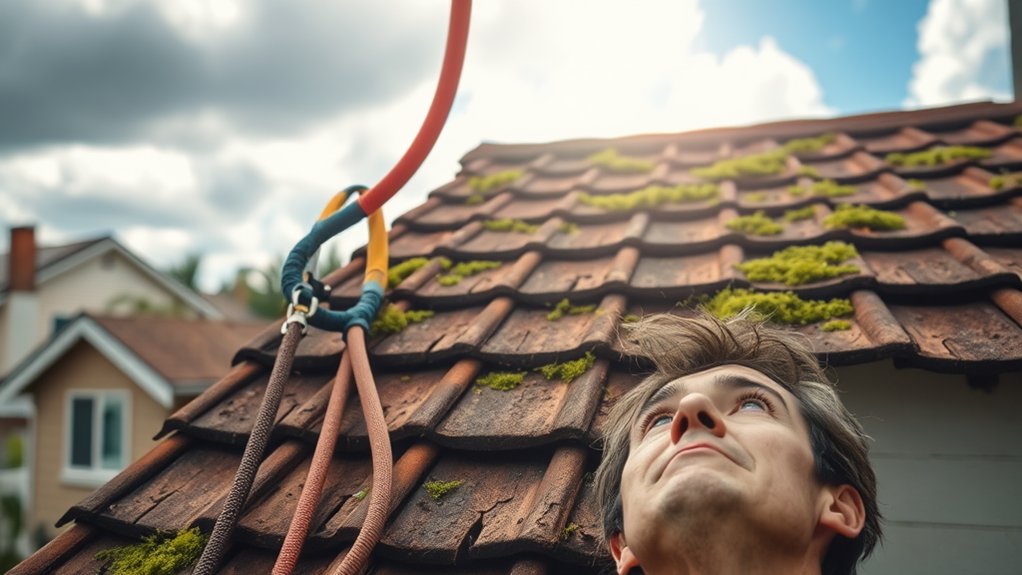
When starting roofing projects, it’s essential to prioritise safety and health to protect both workers and the structure. Adhering to UK building codes, such as BS 8000-6, is vital for ensuring worker safety.
Effective fall prevention measures, such as guardrails and edge protection, help minimise the risk of falls, which are a common cause of injuries in roofing.
Using Personal Protective Equipment (PPE) is crucial for the safety of your crew. Carry out detailed risk assessments to pinpoint hazards and comply with the Work at Height Regulations, which require collective protective measures.
Regular inspections aren’t only necessary for maintaining safety standards but also reflect your commitment to health legislation.
Economic Advantages of Roof Inspections

Many homeowners tend to overlook roof inspections, but they’re crucial for protecting your investment and ensuring long-term financial benefits.
Regular inspections help identify issues early, which can prevent expensive repairs and structural damage down the line. By following roofing regulations, you can also avoid fines that could disrupt your budget.
A well-maintained roof not only boosts your property’s appeal but also increases its market value, making it a wise investment.
By extending the lifespan of your roofing materials, inspections can reduce waste and lower maintenance costs, ultimately saving you money.
Investing in regular roof inspections keeps your home in prime condition, maximising your return on investment and contributing to your overall financial stability.
Environmental Impact of Regular Roof Maintenance
Regular roof maintenance significantly lowers your carbon footprint by preventing moisture damage, which can lead to costly repairs and increased CO2 emissions.
Keeping your roof in good condition not only reduces heating and cooling costs but also supports a more sustainable environment.
Regular inspections help you spot issues early, improving energy efficiency and promoting eco-friendly practices.
For instance, a well-maintained roof can enhance insulation, keeping your home warmer in winter and cooler in summer, ultimately benefiting both your wallet and the planet.
Reduced Carbon Footprint
Caring for your roof isn’t just about keeping your home in good shape; it’s also crucial for reducing your carbon footprint. Regular inspections can spot moisture damage early, which helps avoid extensive repairs that waste materials and energy—key in cutting down carbon emissions.
By fixing small issues before they turn into big problems, you reduce waste and extend the life of your roof.
Opting for sustainable roofing materials not only boosts durability but also lowers the environmental impact of frequent replacements.
Adopting eco-friendly maintenance practices supports a greener construction industry and lets you play a part in protecting the environment.
Ultimately, taking proactive steps in roof care can lead to significant reductions in carbon emissions and contribute to a healthier planet for future generations.
Enhanced Energy Efficiency
Prioritising roof maintenance not only protects your home’s structure but also boosts its energy efficiency. A well-kept roof enhances thermal comfort by reducing heat loss, which can significantly lower your energy bills.
Regular inspections can identify damaged tiles or gaps that compromise insulation, allowing you to address issues before they worsen. With improved insulation, you’ll likely see noticeable energy savings as your heating system won’t have to work as hard to keep your home comfortable.
Furthermore, roofs that comply with UK regulations minimise energy loss, reducing your carbon footprint. By investing in routine maintenance, you not only help your household budget but also contribute to broader environmental goals, making your home a model of sustainability.
Frequently Asked Questions
How Often Should I Schedule Roof Inspections?
It’s advisable to schedule roof inspections twice a year for optimal maintenance. However, you may need to adjust this based on the age of your roof, the materials used, and the local weather conditions. For example, older roofs or those in areas prone to severe weather may require more frequent checks to catch potential issues early.
What Should I Do if Damage Is Found?
If you discover any damage, evaluate your repair options right away. Take detailed notes for insurance purposes, including the extent of the damage and photographs. Seek advice from a roofing professional to ensure safety and prevent further issues, while prioritising any urgent repairs.
Can I Conduct a Roof Inspection Myself?
You can carry out a DIY roof inspection, but always prioritise safety. Use binoculars to check distant areas, and inspect accessible spots for any visible damage. Avoid climbing to high areas without the right equipment. For more complex issues or safety concerns, it’s wise to seek professional assistance.
How Much Do Professional Roof Inspections Cost?
When looking at roof inspection costs, you can expect to pay between £150 and £500. This price varies based on factors like the size of the roof, the materials used, how easy it is to access, and the type of inspection conducted. Investing in a comprehensive assessment is often worth it, as it helps protect your property in the long run.
What Signs Indicate I Need a Roof Inspection Soon?
If you spot damp patches on your ceilings or notice missing roof tiles, it’s crucial to take action. These issues indicate that your roof may be at risk, which could lead to more severe damage if left unchecked. Regular roof inspections can help you avoid expensive repairs in the future.
Conclusion
Roof inspections are crucial for homeowners in the UK, much like a regular health check-up for your property. Just as a doctor identifies potential health issues early on, routine roof assessments can spot hidden problems before they require expensive repairs. In fact, statistics reveal that 80% of roof failures are due to neglect. By dedicating time to regular inspections, you not only protect your home but also ensure it withstands the often unpredictable British weather. Take care of your roof, and it will take care of you for many years.