

How to Find a Roof Leak in Your Southend Home
To find a roof leak in your Southend home, begin by checking for water stains on ceilings and walls, and inspect your attic for any damp patches. Look closely at your shingles for cracks or missing tiles, and assess the condition of flashings and gutters. You can use a garden hose to mimic rainfall and trace any water paths. If you encounter difficulties or suspect significant damage, consider seeking professional help. There are effective methods for leak detection that can save you time and money.
Key Takeaways
- Inspect your loft for signs of moisture, such as water stains, mould, or damp insulation, to catch potential leaks early.
- Check the roof for missing or damaged tiles, as these are common entry points for water.
- Use a garden hose to mimic rainfall, testing different sections of the roof to locate the source of the leak.
- Look for water stains or dark patches on ceilings and walls, which suggest leaks coming from the roof.
- If the leak proves difficult to locate or involves significant damage, consider hiring a professional for a comprehensive inspection.
Signs of a Roof Leak in Your Home
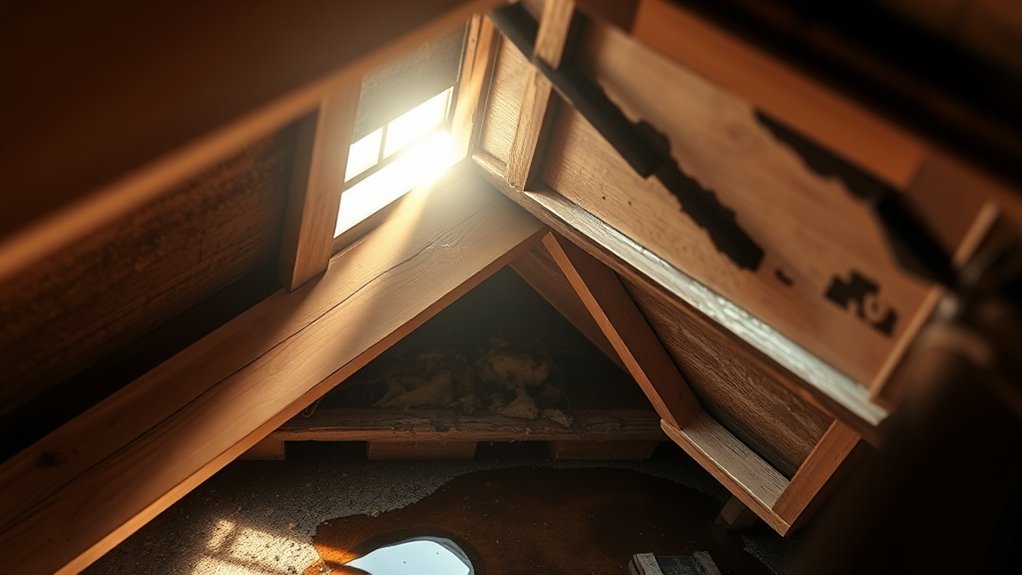
A roof leak can cause serious damage if not dealt with quickly.
Look out for signs in your home, such as water stains on ceilings or walls, often marked by dark rings from seepage. Dripping water or puddles after rain are clear indicators as well.
Use moisture detection methods to spot ongoing leaks; damp patches or wet spots may hint at hidden issues. Peeling paint or bubbling wallpaper can also indicate moisture problems. Additionally, damaged shingles can increase vulnerability to leaks, making it essential to monitor their condition. Regular inspections can help identify common leak areas that may need attention.
In the attic, check for dark spots on rafters or damp insulation. Musty smells in your living spaces can signal persistent moisture intrusion.
Being aware of these signs can help you protect your home from extensive damage.
Common Causes of Roof Leaks
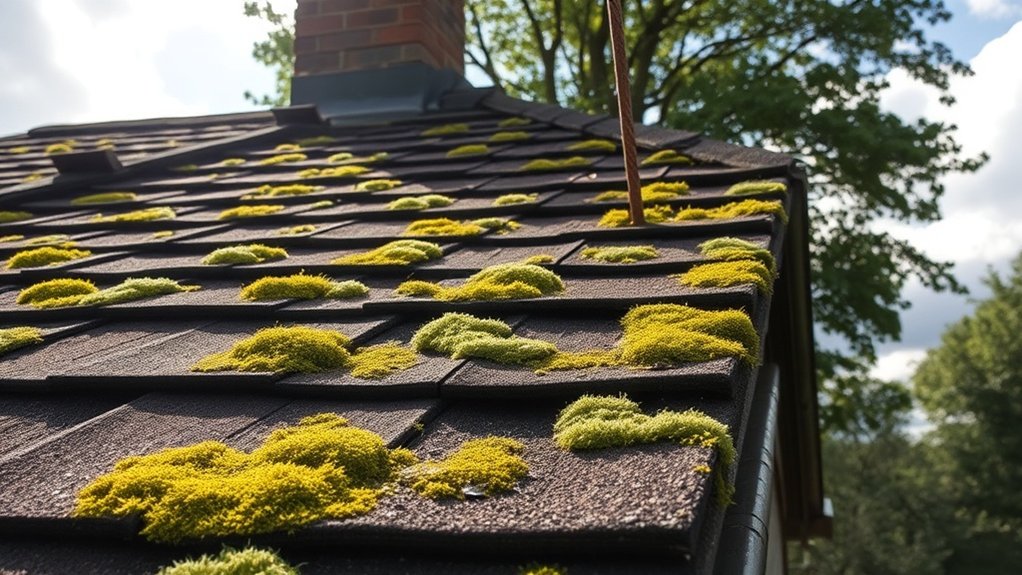
Understanding the common causes of roof leaks is crucial for protecting your home. Here are the main offenders:
| Cause | Description | Prevention Tips |
|---|---|---|
| Shingle Damage | Broken or missing shingles can lead to water ingress. | Conduct regular inspections and carry out prompt repairs. |
| Flashing Failure | Incorrectly fitted flashing is a common leak source. | Ensure proper installation around joints. |
| Gutter Issues | Blocked gutters can cause water to back up. | Clean gutters regularly and check downspouts. |
| Pipe Boot Failures | Worn seals around pipes may result in leaks. | Replace old pipe boots without delay. |
| Structural Problems | Poor installations create weak points. | Always hire qualified professionals for roof work. |
Additionally, regular inspections of your shingles can help identify issues before they escalate, preventing significant water damage. Addressing these problems quickly will help safeguard your home against water damage, as weather damage can exacerbate existing leaks and lead to costly repairs.
Initial Inspection Techniques
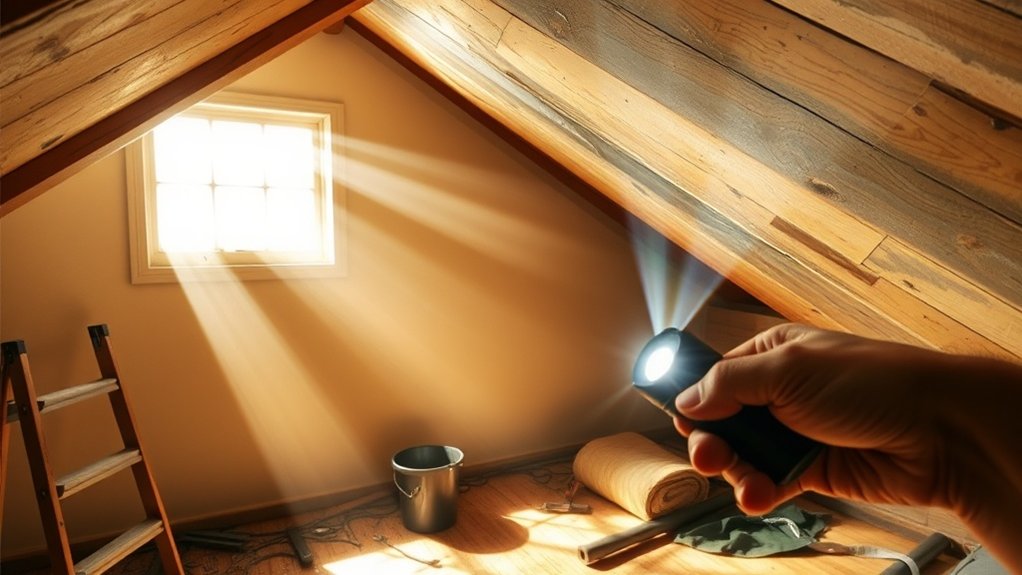
Roof leaks can lead to serious damage if not addressed promptly, so a thorough initial inspection is essential.
Begin by checking the attic for any signs of moisture. Here are some effective techniques to consider:
- Look for water stains or mould on ceilings and attic insulation.
- Trace any water paths along trusses to pinpoint potential leak sources.
- Inspect shingles for cracks or missing pieces.
- Use a torch to spot dark patches in the attic.
- Perform controlled water tests with a partner to isolate leaks. Additionally, be aware that professional help is recommended for accurate leak detection to avoid misidentifying the source of the problem. Regular inspections can help identify key signs of water damage early, preventing more extensive repairs down the line.
Advanced Inspection Tools
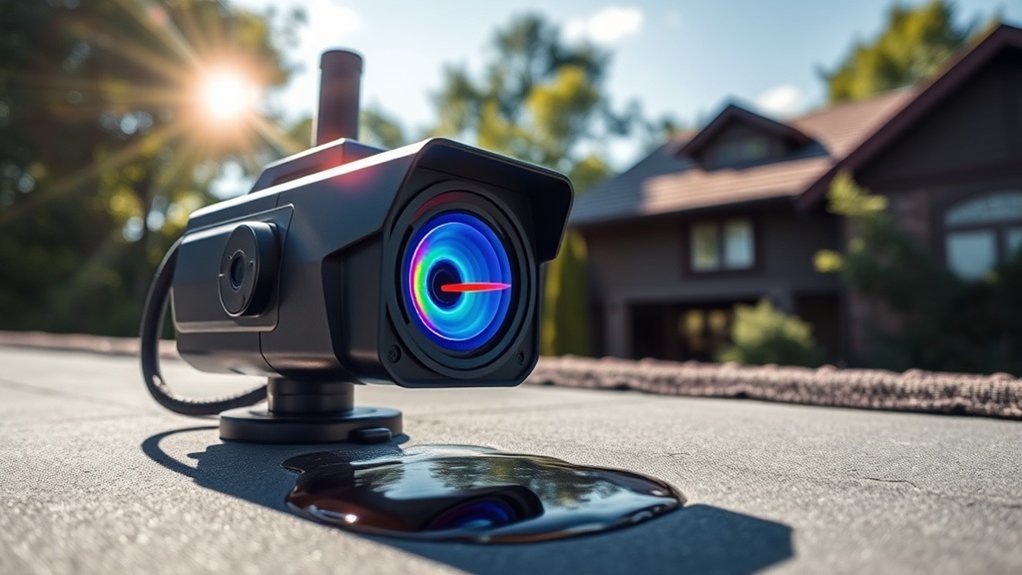
Inspecting a roof for leaks can significantly improve with the use of advanced inspection tools that boost accuracy and efficiency.
Thermal imaging technology helps identify temperature differences on roof surfaces, allowing you to detect moisture build-up before it leads to serious damage. High-resolution imaging captures even minor signs of damage, providing detailed documentation that aids in decision-making.
Consider electronic leak detection (ELD) systems, which use low-voltage impedance testing to assess the performance of waterproofing membranes. These systems divide roofs into grids for precise leak identification and can connect with building management systems for automated monitoring.
Together, these tools make inspections more efficient, ensuring timely repairs and preventing costly renovations in your home.
Logical Leak Tracking Methods
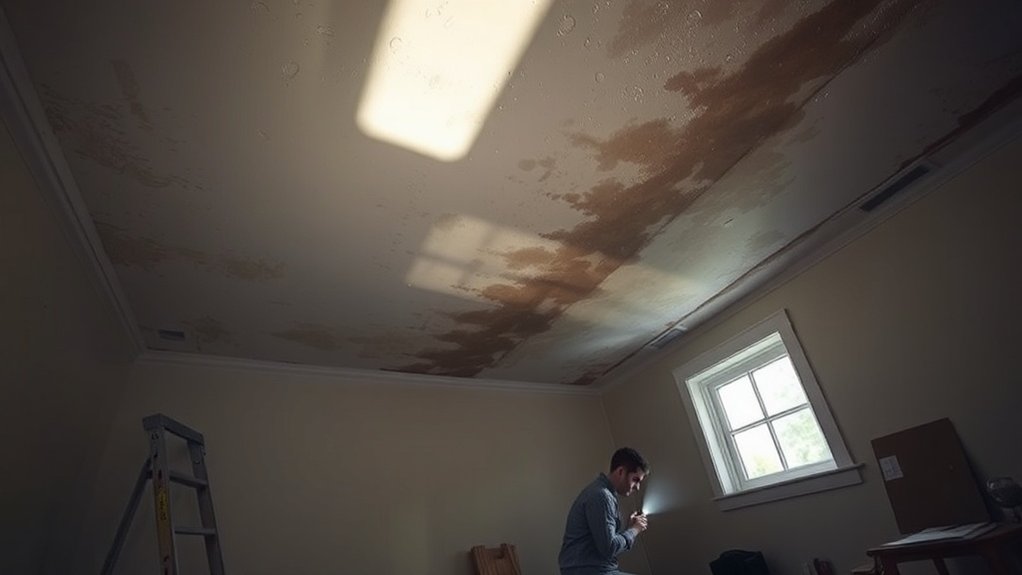
To effectively locate a roof leak, start by identifying where moisture appears indoors.
Trace the water flow back to potential entry points in the roof, taking into account the building’s structure and drainage systems.
This clear and systematic approach will help you pinpoint the source of the leak more accurately and quickly.
Reverse Engineering Water Entry
When looking for a roof leak, reverse engineering water entry is an essential method. This involves tracing the moisture’s path back to its source. Start by identifying any signs of leaks and assessing the situation logically.
Here are some effective techniques you can use:
- Utilise electrical leak detection (ELD) technology for accurate pinpointing.
- Use thermal imaging to spot temperature variations caused by moisture.
- Carry out systematic water testing to simulate rain conditions on the roof.
- Implement conductive leak locating grids to detect electrical changes indicative of leaks.
- Combine these findings with internal observations for a comprehensive assessment.
Tracing Water Flow Paths
After pinpointing the source of moisture through reverse engineering, tracking water flow paths is crucial for diagnosing roof leaks effectively.
Water naturally follows the path of least resistance, so it’s important to observe common leak patterns. Look for stains, discolouration, and damp patches on ceilings and walls that suggest where water has travelled.
Check roof surfaces for pooling, channels, or signs of erosion, as these indicate how water might be rerouted. Use tools like thermal imaging cameras and moisture meters to accurately identify flow paths.
Document your findings with photographs and notes on the direction of water flow to aid your repair strategy. Understanding these factors enables you to better assist your clients in resolving their roof leak issues.
Safety Precautions for Roof Inspections

When inspecting a roof for leaks, prioritising safety is crucial to prevent accidents.
Here are some key safety precautions to follow:
- Check your ladder for stability and ensure every part is in good condition before use.
- Wear suitable personal protective equipment (PPE), such as non-slip shoes and a hard hat.
- Use gloves and safety goggles when dealing with dusty areas or insulation materials.
- Schedule inspections on clear days to avoid slippery surfaces.
- Always inform someone before you ascend the ladder, and consider using a buddy system for emergencies.
When to Call a Professional for Repairs

How can you tell if a roof leak needs a professional? If you spot extensive or multiple leaks that you can’t pinpoint, it’s time to call in a contractor.
Look out for signs of structural damage, like rotting wood or a sagging roof—these indicate urgent repairs are necessary.
If you’ve tried fixing leaks yourself but they keep recurring, you likely need an expert to sort out improper repairs.
Also, if the leak involves complex areas like flashing or vents, it’s best to leave it to someone with the right skills.
If your roof has a steep slope that makes it unsafe to access or you don’t have the right equipment, don’t hesitate to get professional help.
Hiring a licensed contractor ensures compliance with building regulations and can save you money in the long run by avoiding patchy fixes.
Your home deserves reliable and efficient repairs—choose a qualified professional for peace of mind.
Frequently Asked Questions
How Long Can a Roof Leak Go Unnoticed?
A roof leak can remain unnoticed for months or even years, resulting in serious water damage. Regular roof maintenance is crucial to identify these problems early on, helping to avoid extensive damage and expensive repairs later. For instance, a small leak in your roof can lead to mould growth or structural issues if left unchecked. Keeping an eye on your roof and addressing any concerns promptly can save you both time and money in the long run.
Can Roof Leaks Cause Health Issues?
“Prevention is better than cure.” Roof leaks can cause mould growth, which can lead to respiratory problems. It’s essential to address leaks quickly to safeguard your health and ensure good indoor air quality.
What Are Common Misconceptions About Roof Leaks?
Many people assume that roof leaks always originate near visible stains, but that’s not the case. Leaks can occur far from where you see damage. Using effective leak detection methods, such as electronic systems, can help pinpoint issues before they lead to serious problems.
How Often Should I Inspect My Roof for Leaks?
Your roof’s condition is crucial, so it’s important to inspect it regularly. Aim for seasonal checks, ideally twice a year, to ensure it’s well-maintained and to spot leaks before they lead to serious damage.
Are There Insurance Implications for Roof Leaks?
Yes, there are insurance implications for roof leaks. Your insurance policy may restrict claims depending on the cause of the leak, so it’s important to understand the terms of your coverage. For example, if a leak is due to neglect or lack of maintenance, your claim might be denied. Knowing your policy can help ensure you’re adequately protected and can receive reimbursement for necessary repairs.
Conclusion
You’re now equipped to find that elusive roof leak! With your new skills, you’re ready to protect your home from water damage. If the leaks remain tricky to locate, don’t hesitate to call in the professionals. They have the tools and know-how to handle even the most stubborn leaks. Stay safe, and let’s ensure your roof remains watertight! Your home will appreciate it.


