

Cost Breakdown for Residential Roofing Projects
When planning a residential roofing project, it's crucial to understand the cost breakdown. Material choices significantly affect expenses: asphalt shingles typically cost between £30 and £50 per square metre, whereas metal roofs can range from £50 to £120 per square metre. Installation labour usually falls between £15 and £80 per square metre, depending on the complexity of the job.
For a standard roof, total costs can vary from £8,000 to £20,000, influenced by factors such as size, design, and regional demand. By keeping informed, you can effectively manage your budget and ensure a successful project. There's plenty more to explore regarding these costs and considerations.
Key Takeaways
- Material Costs: The price of roofing materials varies widely. For instance, asphalt shingles can cost between £30 and £50 per square metre, while slate can go up to £240 per square metre.
- Labour Expenses: Labour costs for installation usually make up 50% to 70% of the total expense, with rates ranging from £15 to £80 per square metre.
- Total Replacement Costs: In the UK, the average cost for a complete roof replacement falls between £8,000 and £20,000, depending on the size of the roof and the materials chosen.
- Additional Charges: If you need to remove old roofing, expect to pay an extra £100 to £300 per square metre. More complex roof designs can also drive up labour costs.
- Regional Variations: Prices vary by location; for example, in London, you might pay between £5,000 and £15,000, whereas in Manchester, costs range from £6,000 to £16,500.
Roofing Material Costs
When considering roofing material costs, there are various options that can significantly impact your budget.
Asphalt shingles are the most affordable choice, costing between £30 and £50 per square metre, making them popular among homeowners. Material prices vary significantly based on the type, which can affect overall costs.
For better durability and environmental benefits, metal roofing is a worthy investment, ranging from £50 to £120 per square metre. This type lasts longer and reflects solar heat, which can help lower energy bills. Additionally, high-quality materials like metal roofing can last over 50 years, reducing the need for frequent replacements and overall costs.
Tile and slate roofing offer strong durability but come at a higher price. Slate can cost between £120 and £240 per square metre, while clay tiles range from £70 to £130.
These materials are often more sustainable due to their longevity.
If you're considering flat roofing systems, options like EPDM rubber membranes are budget-friendly, starting at around £5 per square metre.
It's essential to evaluate how each material fits with your long-term goals, such as durability and sustainability, as these aspects will influence your roofing investment.
Total Roof Replacement Costs
When considering the costs of a complete roof replacement, it's essential to assess the type of materials you'll use, such as asphalt shingles, metal sheeting, or more specialised options. Each material has its own price range, which can significantly impact your overall budget. For instance, while asphalt shingles are often the most affordable, metal roofing can offer greater durability and energy efficiency, albeit at a higher initial cost. Understanding these variations will enable you to make a well-informed decision that fits your financial plans. Additionally, the average replacement cost for a 1,700 sq. ft. asphalt shingle roof typically ranges from $6,000 to $9,000 in total. Moreover, the average roof replacement cost in the UK is £13,500, which can help provide context for your budgeting.
Asphalt Shingle Costs
Homeowners can expect total replacement costs for asphalt shingles to fall between £10,000 and £12,500 for an average middle-class home. Several factors influence this cost, including the roof's size, design complexity, and the number of penetrations, such as vents or skylights. Additionally, the overall project expenses can increase due to dump fees for waste disposal. Labor costs typically account for up to 60% of the total roofing expenses, highlighting the importance of skilled professionals in the installation process.
For pricing, 3-tab asphalt shingles typically cost around £3.20 per square metre, while architectural shingles are about £5.00 per square metre. Their lifespans differ as well—3-tab shingles last about 20 years, whereas architectural options can last between 22 and 25 years.
Warranty options also vary. Expect a 25-year limited warranty for 3-tab shingles and a 30-year warranty (prorated after the first ten years) for architectural shingles.
Installation quality is crucial, as skilled labour can impact both costs and the longevity of the shingles.
When selecting colour, consider its effect on energy efficiency and potential resale value. It's wise to compare brands, as reputable manufacturers may charge more but often offer superior quality.
Lastly, remember to account for maintenance costs and any local regulations that could affect your overall investment. Understanding these factors will help you make informed decisions for your roofing project.
Metal Roof Expenses
As homeowners consider roofing options, metal roofs offer a strong alternative to traditional asphalt shingles, providing durability and a distinctive look. The costs associated with metal roofs can vary significantly depending on the type of material, the size of the roof, and its complexity. Additionally, metal roofs are known for their energy efficiency, often reflecting sunlight and lowering cooling costs. They provide exceptional weather resistance, making them ideal for various climates and weather conditions.
Here's a succinct breakdown of potential expenses:
| Cost Component | Estimated Cost |
|---|---|
| Material (Steel) | £6 – £16 per sq ft |
| Installation Labour | £5 – £12 per sq ft |
| Underlayment/Insulation | £2 – £5 per sq ft |
| Old Roof Removal | £1,000 – £5,000 |
| Total Installation | £8,000 – £40,000 |
Metal roofs are highly energy-efficient, often reflecting sunlight and lowering cooling costs. While maintenance expenses tend to be lower than those of traditional roofing materials, it's important to factor in additional costs like permits and inspections, which can differ by location. For instance, the average cost for a metal roof in the UK is around £10,600, but it can exceed £37,000 in certain areas, depending on local factors. Overall, investing in a metal roof can be a wise choice, balancing initial costs with long-term advantages.
Specialty Material Pricing
Specialty materials for roofing provide distinctive aesthetics and performance benefits, but they typically come at a higher price compared to traditional options.
When considering specialty roofing, it's important to assess both the initial costs and the long-term advantages of durability. Labor costs significantly influence the overall expense of roof replacement, and specialty materials can lead to higher labor costs due to their installation complexity. Additionally, slate roofing requires specialized knowledge for installation, contributing to the overall expense.
Here's a quick overview of some common specialty materials:
- Slate Roofing: Ranging from £15.00 to £30.00 per square foot, slate can set you back between £30,000 and £60,000 for a standard 2,000 sq. ft. home. With proper maintenance, slate can last over a century.
- Tile Roofing: Priced at £8.00 to £15.00 per square foot, clay tiles will cost around £16,000 to £30,000 for an average home. They not only look stunning but also withstand severe weather conditions.
- Wood Shingles/Shakes: With costs varying from £4.50 to £14.00 per square foot, expect to pay between £9,000 and £28,000 for a complete roof. While this natural material adds charm, it requires regular maintenance to ensure longevity.
Opting for specialty materials can elevate your home's appearance and provide lasting protection, making it a worthwhile investment for the future.
Cost Per Square Foot
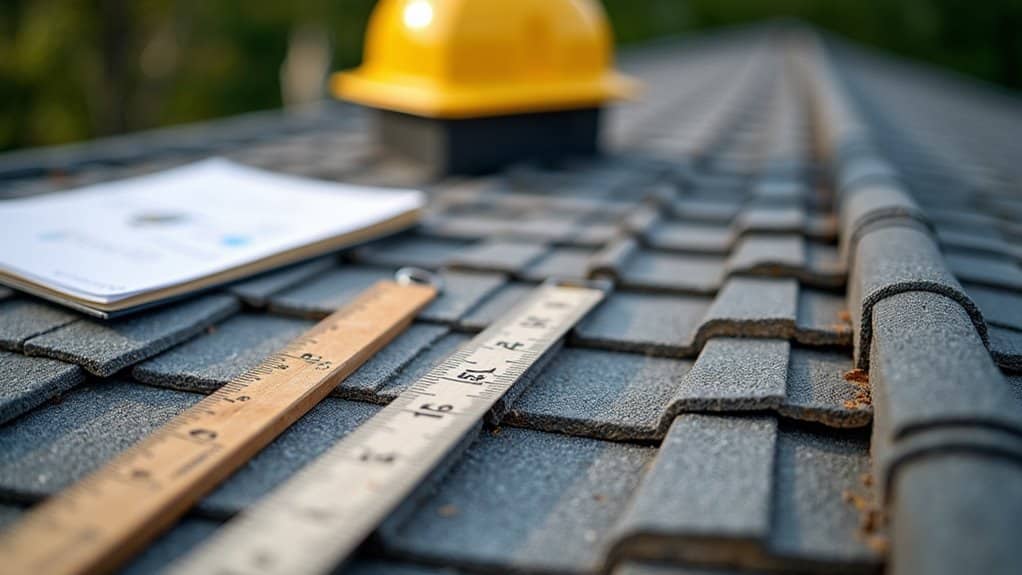
When calculating the cost per square foot for your roofing project, consider the type of materials and their prices.
Labour costs can vary significantly depending on the complexity of your roof and local rates.
It's also crucial to be aware of regional price differences, so make sure to obtain estimates specific to your area.
For example, using slate tiles may cost more than standard shingles, but they can enhance your home's value.
Roofing Material Comparisons
Choosing the right roofing material requires an understanding of the cost per square metre, which can vary significantly depending on the type you select. Here are some typical cost ranges to consider:
- Asphalt Shingles: Prices range from £10 to £85 per square metre, depending on whether you opt for 3-tab, architectural, or luxury shingles.
- Metal Roofing: Expect to pay between £24 and £320 per square metre, with aluminium and corrugated steel being the more economical choices.
- Tile Roofing: Costs range from £40 to £130 per square metre, with clay tiles typically at the higher end.
In terms of lifespan, asphalt shingles last around 15-30 years, whereas metal roofs can last 40-70 years, and tile roofs often exceed 50 years.
Wooden shakes and slate are durable but come with higher costs—slate can reach up to £250 per square metre.
Installation Labor Expenses
After considering the costs and benefits of different roofing materials, it's time to think about another crucial aspect of your roofing project: installation labour expenses.
Labour costs can vary significantly based on factors such as location and roof complexity. In urban areas, for example, you may encounter higher labour costs due to increased living expenses and a demand for skilled tradespeople.
The complexity of your roof also influences these expenses. Steeper or multi-level roofs require extra safety measures and expertise, which can drive up costs. Likewise, heavier materials like metal or slate demand more time and specialised skills, which can significantly impact your budget.
On average, you can expect labour costs to range from £15 to £30 per square metre for tile roofs and £40 to £80 for metal roofs.
Keep in mind that labour typically accounts for 50% to 70% of your total roofing costs. Additionally, if you need to strip an old roof, this could add another £100 to £300 per square metre.
Understanding these labour cost trends will help you plan effectively for your roofing project.
Regional Price Variations
Regional price variations for roofing projects can significantly impact your overall budget, making it essential to understand these differences. Pricing is influenced by local market fluctuations, labour costs, and material availability.
Here are three key factors to consider:
- Location: For example, in London, you might pay between £5,000 and £15,000, while in Manchester, prices can range from £6,000 to £16,500.
- House Size: A typical 2,000 sq ft home may cost between £8,000 and £20,000, which can greatly affect your total investment.
- Material Type: Asphalt shingles generally cost £30 to £60 per sq m, whereas metal or slate roofing can range from £70 to £150 per sq m.
These variations mean that your project's cost can differ widely based on your location.
Always consider local specifics, as cities like Birmingham or Leeds may have unique pricing structures.
Roof Size and Cost Estimates
When planning a residential roofing project, it's crucial to grasp how roof size affects material costs for a proper budget. The dimensions of your roof significantly influence your estimates, as materials vary in price.
For example, asphalt shingles generally cost between £8 and £13 per square foot, while metal roofing can range from £13 to £24 per square foot.
For a 1,500-square-foot roof, the total cost for asphalt shingles could be between £12,000 and £19,500. In comparison, choosing slate roofing for the same area could push your costs up to £27,000 to £45,000.
Accurate roof measurements are vital; even a slight miscalculation can lead to significant budget issues.
Moreover, complex roofing designs require additional materials and labour, impacting overall costs. Don't forget that features like insulation or ventilation will also add to your expenses.
Labor Costs

When estimating labour costs for your roofing project, you'll find that they can vary significantly depending on factors like the roof's complexity and pitch.
For example, intricate designs or steep slopes can substantially increase your labour expenses.
Additionally, remember that tasks such as removing old roofing materials can contribute to the overall labour costs, affecting your budget.
Labor Cost Variability
Labour costs in residential roofing projects can vary significantly, with location often being the most impactful factor. Urban areas generally have higher labour rates due to increased demand and a higher cost of living.
Here are three key aspects that affect labour costs:
- Urban Labour Demand: In cities, a shortage of skilled workers can lead to competitive pricing, driving up contractor rates.
- Seasonal Fluctuations: Costs typically rise during peak seasons, while off-peak times may offer opportunities for savings. However, be aware that weather-related delays can complicate matters.
- Supply Chain Disruptions: Material shortages can result in higher labour costs, as contractors may need to raise their prices to cover delays in sourcing materials.
Understanding these factors is crucial for effective budgeting.
As a homeowner, scheduling your project with these elements in mind can help you manage costs better. By acknowledging how location, seasonal demand, and supply chain issues interplay, you'll be more prepared to handle labour cost variability and ensure your roofing project proceeds smoothly.
Roof Complexity Impact
Roof complexity significantly affects labour costs, making it essential to budget wisely for your residential roofing project. Designs with multiple angles, dormers, or intricate slopes require more time and skill for installation.
For instance, roofs with steep pitches often need specialised equipment like scaffolding or harnesses, which can increase labour costs by as much as 50% compared to simpler roofs.
Accessibility also plays a crucial role in determining these costs. Multi-storey homes or roofs that are challenging to reach require additional safety measures, slowing down installation and further increasing expenses.
Additionally, the materials you select matter; heavier options like slate or intricate metal roofing demand more expertise and time, further adding to labour costs.
Included Services Overview
Understanding the included services for labour costs in residential roofing projects is crucial for accurate budgeting. Here are three key services to keep in mind:
- Roof Removal: The cost of removing old roofing material typically ranges from £1 to £5 per square metre, which will affect your labour costs.
- Safety Equipment: For steep or hard-to-reach roofs, additional safety equipment is necessary, leading to higher labour costs due to the extra precautions.
- Overheads: This includes expenses such as workers' compensation, taxes, and other operational costs that impact overall labour pricing.
When estimating labour costs, calculate total labour hours, factor in the crew's hourly wage, and include overhead expenses.
Additional Factors
When planning a residential roofing project, several additional factors can significantly affect the overall cost.
The complexity of your roof design—such as steep slopes, multiple peaks, or features like skylights—can increase both labour and material expenses. Accessibility is another consideration; hard-to-reach areas may require extra safety measures and equipment, which can inflate your budget.
Timing is also crucial. Seasonal trends can lead to fluctuating labour costs, with peak seasons often being more expensive. If you're in a hurry due to an emergency, be prepared to pay a premium for urgent installations.
Don't overlook roofing insurance and warranty options, which can safeguard your investment over time. There may also be financing solutions available to help manage upfront costs.
Additionally, using eco-friendly materials can improve energy efficiency and aesthetic appeal, though they might come at a higher price.
Finally, choosing a reputable contractor is vital, as their experience can impact project timelines and overall quality.
Asphalt Shingle Pricing

Navigating the costs of asphalt shingles involves looking at both material and installation expenses. Prices can vary significantly based on quality, style, and installation methods. Here are the key points to consider:
- Material Costs: You can expect to pay between £1.50 and £9.50 per square foot, depending on the durability and colour options of the shingles.
- Installation Expenses: Labour costs typically range from £1.50 to £14.50 per square foot, influenced by the complexity of your roof and seasonal demand.
- Warranty Considerations: A longer warranty may increase material costs by 10-15%, which could impact your budget.
Consider eco-friendly options, which may provide aesthetic benefits that align with local regulations and personal values.
Pricing can also differ among suppliers, so it's wise to compare quotes. Additionally, remember that proper maintenance can extend the life of your shingles.
Metal Roof Pricing
Metal roofing is a robust and stylish choice for homeowners, but it's important to understand the factors that affect its pricing. Generally, the cost ranges from £40 to £130 per square metre, with an average around £100 to £110. For a typical semi-detached house, you can expect to pay between £15,000 and £22,000.
Several elements influence these prices. The type of material—such as steel, aluminium, stainless steel, or copper—can vary in cost, with thicker materials being pricier. Additional expenses come from coatings, underlayment materials, and accessories like fasteners and sealants.
The roof's style also matters; exposed fastened options tend to be less expensive than concealed fastened systems. Furthermore, complex designs and steep roofs can increase labour costs due to the specialised skills required.
While the initial outlay may be higher, metal roofs offer considerable advantages, such as outstanding longevity and energy efficiency. This makes them a worthwhile investment for those seeking a reliable roofing solution for their home.
Understanding these pricing factors will help you make an informed choice.
Tile Roof Pricing
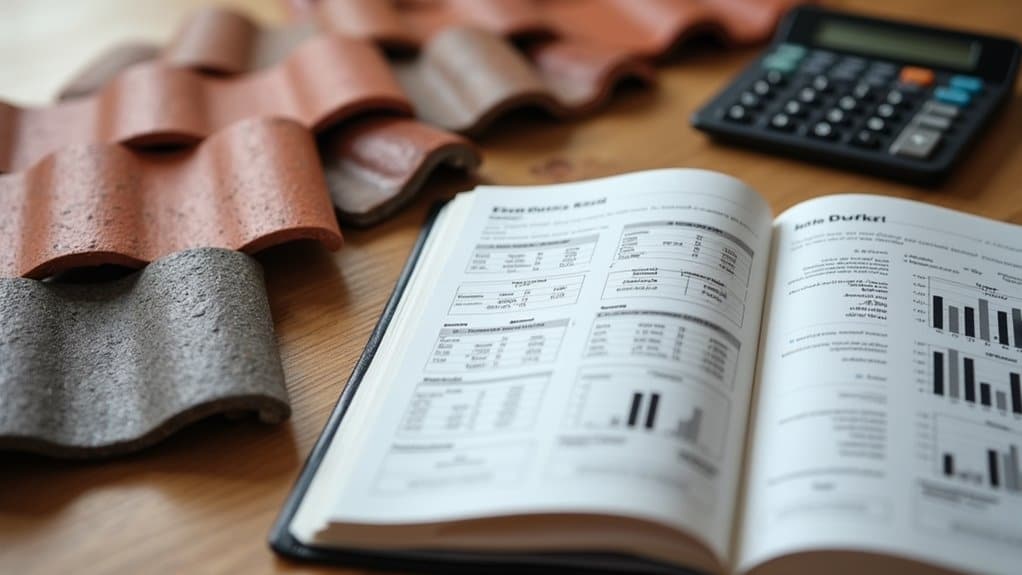
Selecting the right roofing material is crucial for both appearance and functionality of your home, and tile roofs are an appealing choice. They not only boost your property's curb appeal but also offer remarkable durability, making them a sound investment for the long term.
Here's what you need to consider:
- Type of Tile:
- Clay tiles: £30-£60 per sq. m.
- Concrete tiles: £20-£40 per sq. m.
- Slate tiles: £60-£250 per sq. m.
- Installation Costs:
- Labour costs can vary from £40 to £150 per sq. m., depending on the complexity of the roof and local pricing.
- Total Project Costs:
- Overall costs usually range from £6,500 to £75,000, with most homeowners spending around £22,000.
Regular maintenance of your tile roof is vital for ensuring its longevity and preventing expensive repairs down the line.
Conducting regular inspections can help catch potential issues early. By making a sensible investment in your roof, you can keep your home looking good and protected for many years.
Wood Shake Pricing
When considering a new roof, have you thought about the distinct appeal of wood shake roofing? Cedar shakes offer a rustic charm alongside durability and excellent insulation.
The average cost for wood shake roofing is around £21,000, typically ranging from £12,900 to £28,200, depending on factors like roof size and complexity.
The price per square foot generally falls between £7 and £15. Material costs can vary from £300 to £700 per square, with hand-split and tapersawn shakes priced differently. Premium wood grades can also push your budget higher, so it's wise to weigh your options.
Installation methods significantly impact the final cost. Steeper pitches and complex designs require more labour, increasing expenses. Additionally, if you need to replace the underlying decking, this will add to your costs.
Slate and Stone Pricing

Slate roofing is a premium option for homeowners looking for durability and visual appeal. Costs can vary significantly based on factors such as roof size and installation methods. Here's what to expect:
- Material Costs: Natural slate typically ranges from £10 to £30 per square foot, while synthetic alternatives are more affordable at £9 to £12.
- Installation Costs: For a standard 1,500 sq. ft. roof, installation may cost between £15,000 and £30,000, depending on labour complexity and any necessary structural reinforcements.
- Labour Expenses: Labour can account for 40% to 50% of your total installation cost, with rates ranging from £50 to £100 per hour.
Understanding these factors helps you appreciate the durability of slate and informs your decision-making.
While natural slate is known for its exceptional longevity, it requires skilled installation to ensure it performs well.
Whether you choose natural, hard, or synthetic slate, assessing your specific needs and budget will help you make a sound investment in your home.
Prioritising quality and craftsmanship will allow you to enjoy the benefits of slate for many years.
Summary of Cost Factors
Understanding the cost factors involved in roofing projects is crucial for making informed decisions. Several key elements significantly impact your overall expenses.
Firstly, consider the roof's characteristics, such as size, pitch, and accessibility—larger and steeper roofs typically require more materials and labour, while hard-to-reach areas can drive up costs. Features like skylights and chimneys also add complexity.
Material choice is another vital factor. Asphalt shingles are usually the most affordable option, whereas materials like metal and slate can be more expensive. It's important to also factor in installation specifics—underlayment, flashing, and specialised labour can increase costs.
Project details matter as well. Ensure you receive a detailed estimate that outlines every aspect, from labour to materials. Transparency in pricing and understanding local regulations will help you avoid unexpected expenses.
Lastly, keep an eye on roofing trends and maintenance tips to extend the life of your investment. By grasping these cost factors, you can make sound financial decisions and ensure your roofing project meets your needs and expectations.
Frequently Asked Questions
How Long Do Different Roofing Materials Typically Last?
When it comes to roofing materials, asphalt shingles typically last between 15 to 30 years, whereas metal roofs can last from 30 to 70 years. Regular maintenance plays a crucial role in extending their lifespan, ensuring that your choice is both durable and environmentally friendly.
Can I Finance My Roofing Project?
You can finance your roofing project using different payment options. Consider financing methods such as personal loans or contractor payment plans. Be sure to choose one that suits your circumstances, taking into account interest rates and how flexible the repayment terms are. For instance, a personal loan might offer lower interest rates, while a contractor programme could allow for staggered payments.
What Warranties Are Available for Roofing Materials?
When choosing roofing materials, you'll come across different types of warranties. Manufacturer's material warranties cover the durability of the materials, while workmanship warranties protect against installation errors. Understanding these warranties is essential to safeguard your investment and ensure your roof lasts longer. For example, if a roof starts leaking due to poor installation, a workmanship warranty can cover the repairs.
How Do Weather Conditions Affect Roofing Costs?
Have you thought about how storms and seasonal pricing can affect roofing costs? Weather conditions can drive up labour and material prices, cause project delays, and lead to higher maintenance costs, significantly impacting your overall roofing investment. For example, if a storm damages your roof, you may need urgent repairs, which can be more expensive due to increased demand for services.
Are There Tax Credits for Energy-Efficient Roofing?
Yes, there are tax credits available for energy-efficient roofing in the UK. By improving your roof insulation and using approved materials, you can save on energy costs and potentially claim up to 10% of the expenses. This not only helps your wallet but also enhances the comfort and value of your home.
Conclusion
Understanding the cost breakdown of roofing materials and labour is crucial for homeowners. Each component, from tiles to installation, plays a vital role in the strength and security of your roof. For example, using high-quality tiles can prevent leaks and reduce long-term maintenance costs. By being informed about these expenses, you're not just spending on materials; you're investing in your home's durability and ensuring it can withstand the British weather for years to come.


