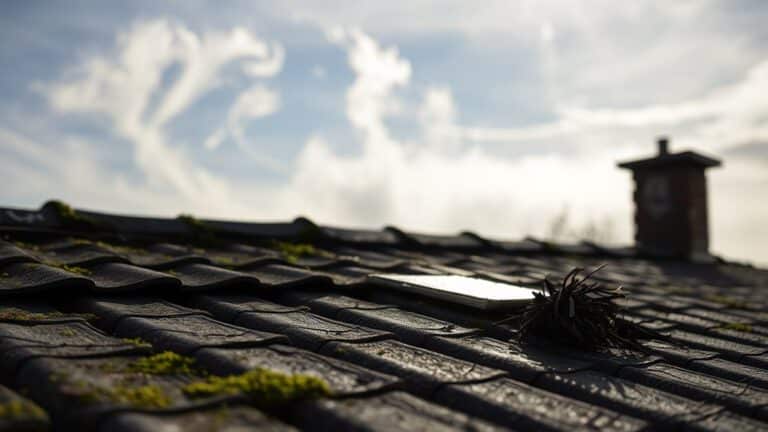

How to Temporarily Fix a Roof Leak in Leigh on Sea
To temporarily fix a roof leak in Leigh on Sea, first locate the source of the leak by checking indoors for water stains and examining the roof for damaged shingles or tiles. Gather materials such as tarpaulins, roofing tape, and roofing cement. Clean the affected area thoroughly, then cover it with a waterproof tarp and seal any cracks with tape or cement. Keep an eye on your patch after it rains to ensure it holds. For a lasting solution, regular maintenance and repairs are crucial to safeguard your home.
Key Takeaways
- Locate the leak by checking for water stains on ceilings and walls, and inspect the roof for any damaged tiles or slates.
- Clear the affected area of any debris and ensure it is dry to allow for proper patching.
- Use a waterproof tarpaulin to cover the leak, securing it with sturdy 2x4s to keep it in place.
- Apply roofing cement or sealant with a trowel to fill in small cracks and gaps around the leak.
- Regularly check and maintain your roof to avoid future leaks and expensive repairs.
Identifying Roof Leaks: Signs to Look For
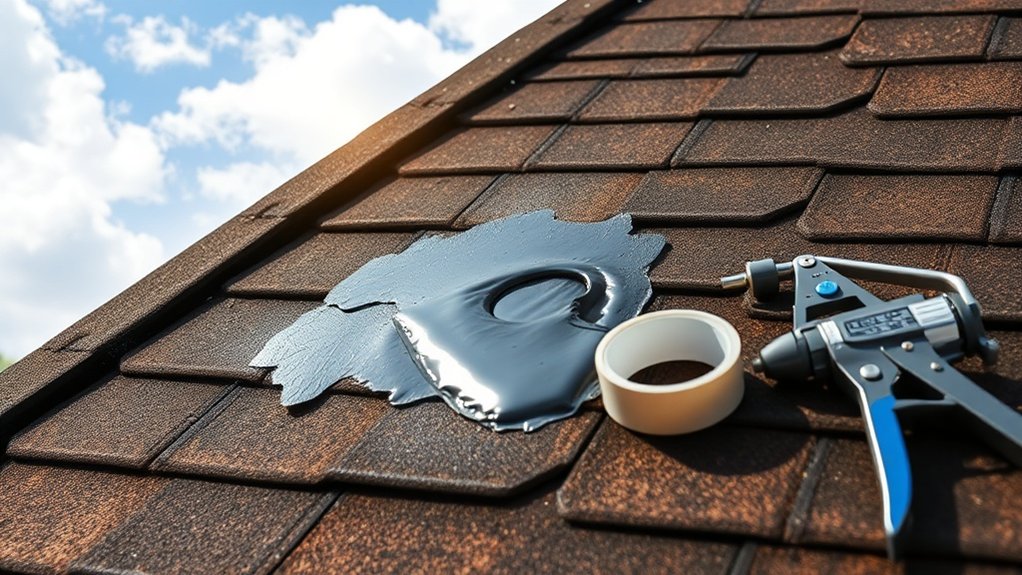
How can you tell if your roof has a leak? Start with a thorough inspection indoors. Look for water stains or discolouration on ceilings, particularly near corners or fixtures. Water stains on ceilings typically arise from leaky roofs, defective waterproofing, or leaking pipes. Peeling paint or wallpaper can also indicate ongoing moisture issues. In the attic, check for damp insulation and dark streaks on the roof decking, which suggest water penetration. Additionally, missing, cracked, or damaged shingles can allow water ingress and contribute to leaks.
Outside, examine the roof for missing or cracked tiles and rusted flashing. Accumulated granules in the gutters often point to shingle deterioration. Lastly, listen for drips or watch for pooling water after rain. Recognising these signs is essential for effective leak detection, helping you tackle problems before they worsen.
Common Causes of Roof Leaks in Leigh on Sea
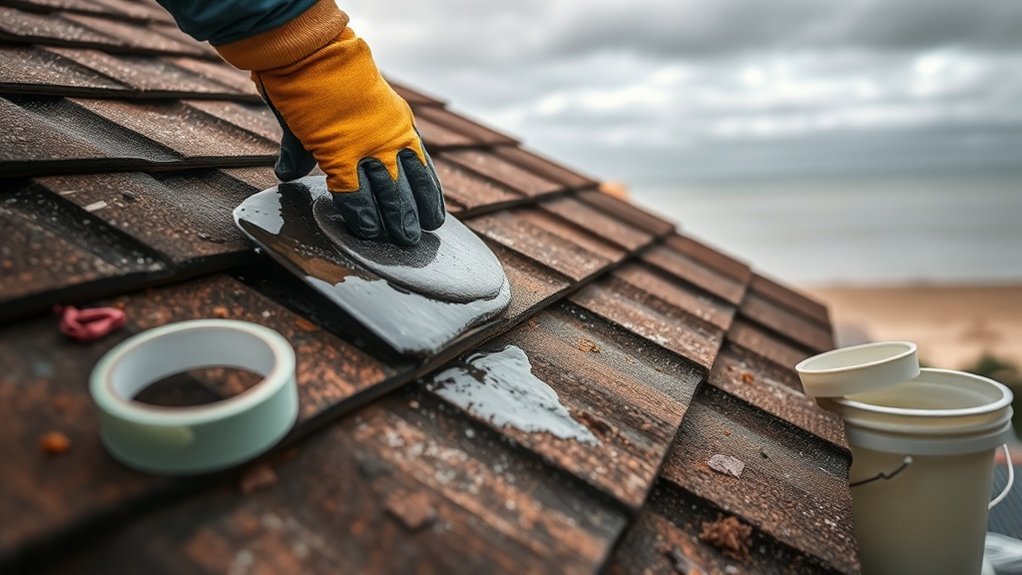
Once you’ve spotted potential leaks in your roof, it’s important to understand the common causes to take preventative steps.
Age-related wear, especially with asphalt shingles, can lead to brittleness and loss of granules, making your roof more prone to leaks. Regular inspections and Roof Maxx treatments can help restore flexibility and extend the life of an aging roof. Additionally, older roofs require more frequent inspections due to higher leak susceptibility.
Damaged or missing components, like cracked shingles and failing flashing, create openings for water to enter.
Clogged gutters and poor drainage can cause water to back up, seeping through roofing materials.
Additionally, improper installation or maintenance, such as unsealed skylights, can worsen these issues.
Severe weather and environmental factors can also stress your roof, leading to further damage.
Regular roof inspections and proactive leak prevention are crucial for minimising these risks and extending your roof’s lifespan.
Safety Precautions Before Starting Repairs

Before starting any roof repairs, it’s crucial to prioritise safety to protect yourself from hazards.
First, ensure you wear the right safety gear, including a hard hat, safety goggles, and gloves, to guard against falling debris and sharp materials. Proper safety gear can significantly reduce the risk of injury during repairs.
Make sure you have a reliable harness to prevent falls.
When using a ladder, check its stability; it should be sturdy and positioned at a safe angle, extending at least one metre above the roof edge.
Consider using ladder stabilisers for extra support on steep roofs.
Lastly, always assess the weather before you start—avoid working in wet or icy conditions to reduce the risk of slipping and ensure a safer repair process. Additionally, remember that urgent repairs can protect the long-term integrity of your home.
Temporary Patching Materials You’ll Need
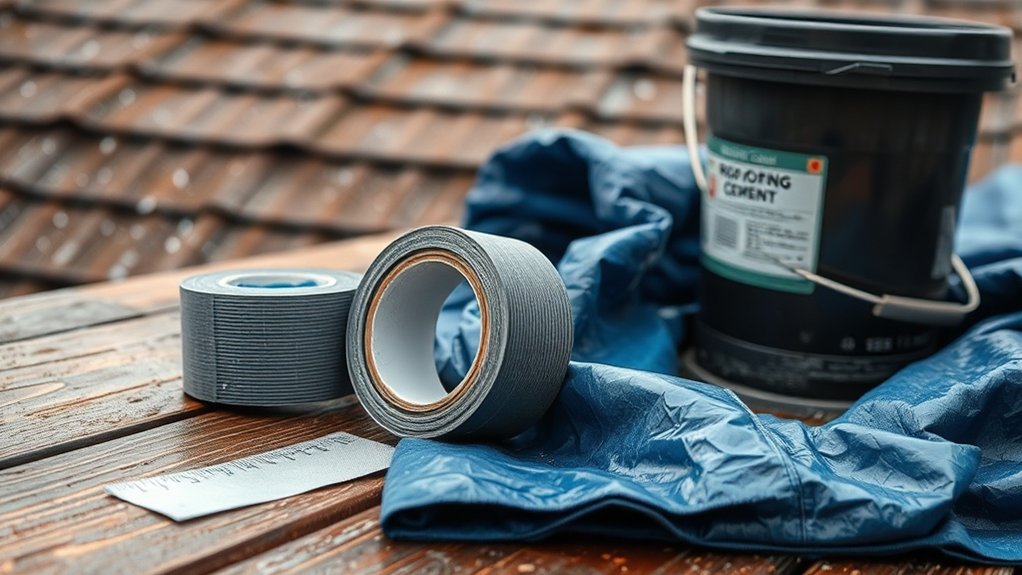
When dealing with a roof leak, having the right temporary patching materials is crucial for protecting your home from water damage.
Here are some essential materials to consider:
- Plastic Sheeting or Tarpaulins: Sturdy options that effectively cover leak areas and prevent water from entering.
- Roofing Tape and Flashing Tape: Durable, waterproof tapes for sealing cracks or securing edges around vulnerable spots.
- Roofing Cement, Sealants, and Caulks: Handy for sealing small gaps and securing patches, providing temporary protection.
- EPDM Rubber Patches and Liquid Coatings: Particularly useful for flat roofs, creating a flexible barrier against water intrusion.
Having these materials ready will help you respond quickly and effectively to a roof leak.
Steps for Applying Temporary Roof Fixes

To effectively tackle a roof leak, start by locating and preparing the affected area. Conduct a thorough assessment to pinpoint the source of the leak, dry the area, and remove any debris. Once the area is ready, you can apply temporary patching methods.
| Step | Action | Tools Needed |
|---|---|---|
| Locate the Leak | Identify the source and mark its location | Marker |
| Clean the Area | Dry and clear any debris for better adhesion | Towels, rags |
| Apply Tarp/Sheeting | Cover the area with a waterproof tarp | Heavy-duty tarp, 2×4 boards |
| Use Roofing Cement | Apply roofing cement and tar paper | Trowel, roofing cement |
| Seal Small Cracks | Use roofing tape or sealant for minor leaks | Roofing tape, silicone caulk |
Following these steps will provide an effective temporary fix until professional repairs can be arranged.
Using a Garden Hose to Locate Leaks
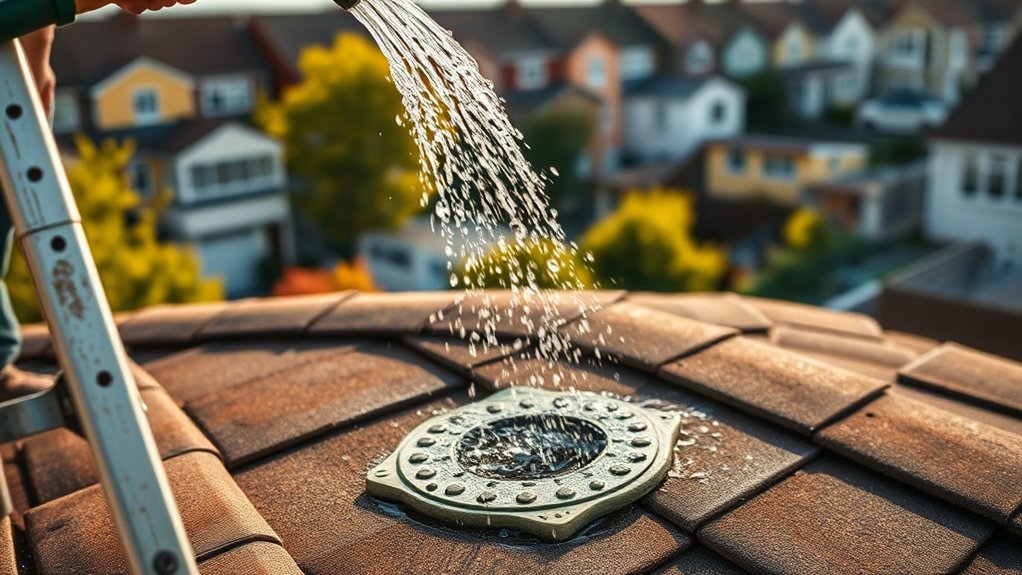
Identifying a roof leak can be tricky, but using a garden hose makes the process much easier. Here’s how to do it effectively:
- Have someone inside to watch for leaks.
- Use a spray nozzle for more precise water application.
- Clear the area below and set up containers to catch any dripping water.
- Maintain constant communication between the roof and the person inside.
Begin at the lowest suspected leak area and work your way up, concentrating on vulnerable points like seams and flashing.
This method mimics rainfall, allowing you to find leaks without expensive equipment. By isolating different sections, you can accurately locate where water is getting in, making it a practical solution for homeowners.
Monitoring Temporary Repairs After Rain
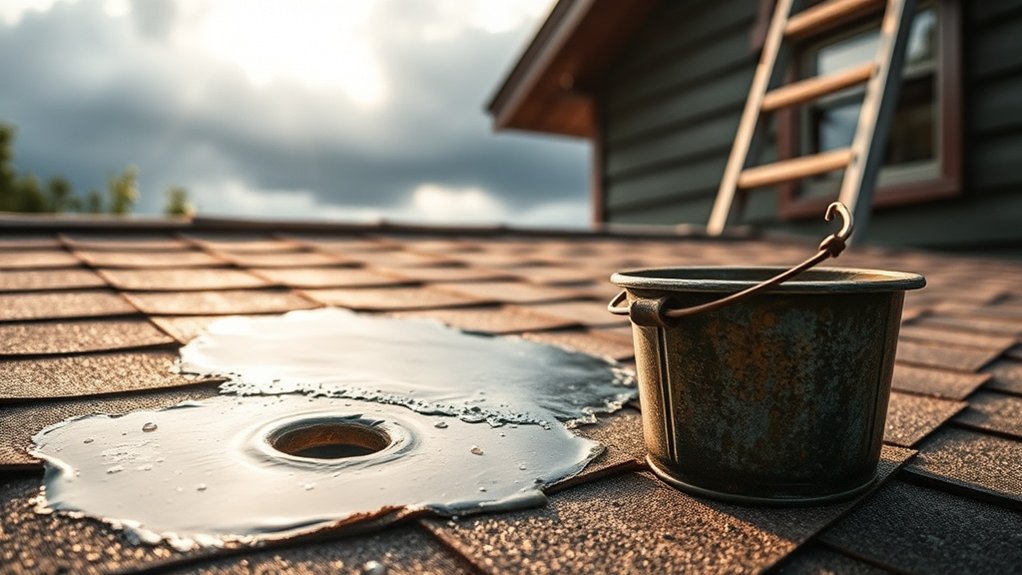
While temporary repairs can offer a quick fix for roof leaks, it’s crucial to monitor their effectiveness after rain to ensure they hold up.
Start by checking all repaired areas for new water stains or drips right after the rain. Look for any discolouration or swelling on ceilings and walls near the repair site. Assess whether the temporary patch is still securely in place and watch for any signs of water seepage.
Keep a record of changes, including dated photos and notes on recurring leaks. Also, inspect nearby areas for any secondary issues that could arise from water runoff.
Monitoring leaks effectively is vital to ensure your temporary fixes remain dependable until a permanent solution is in place.
When to Seek Professional Help
Recognising when to seek professional help for a roof leak is crucial, particularly if you notice signs of significant damage or multiple issues occurring at once. Ignoring these signs can result in expensive repairs and safety risks.
- Water is actively leaking into your home.
- There are multiple sources of leaks in different areas.
- Visible sagging or structural distortion is evident.
- There are electrical hazards near the leaking area.
In such cases, you need immediate emergency assistance and a comprehensive professional evaluation. A qualified technician can assess the damage and ensure your home is safe and secure.
Don’t wait for minor issues to worsen; act quickly to protect your property and those who live in it.
Importance of Regular Roof Maintenance

Regular roof maintenance is vital for prolonging the life of your roof and avoiding expensive repairs. By addressing small issues early, you can save money down the line and maintain the structural integrity of your home.
For instance, clearing debris from gutters can prevent water damage, while checking for loose tiles can avert leaks. A consistent maintenance routine ensures your roof remains efficient, reducing energy loss and leading to long-term savings.
Preventative Measures for Longevity
To keep your roof in top condition, regular maintenance is key. Implementing preventative measures can significantly extend its lifespan and improve performance.
Here are some straightforward tips:
- Carry out regular roof inspections to identify minor problems before they become major issues.
- Fix any loose or missing tiles quickly to maintain the roof’s structural integrity.
- Clean gutters often to prevent water build-up that can lead to damage.
- Check vulnerable areas like flashing and valleys to minimise the risk of leaks.
These proactive steps not only protect your home but also enhance energy efficiency and curb appeal.
Cost-Effective Early Intervention
Roof maintenance mightn’t seem urgent, but investing in it early can save you a lot of money in the long run.
Regular inspections and prompt repairs are cost-effective ways to stop small leaks from turning into costly water damage or structural problems. For around £350 a year, you can prevent thousands in repairs, making it a wise choice for homeowners.
By tackling minor issues quickly, you can extend your roof’s lifespan by 20-30%, improve your property’s energy efficiency, and increase its value.
A well-maintained roof protects your home from the elements and reduces unnecessary insurance claims.
Make roof maintenance a priority to safeguard your investment and enjoy peace of mind.
Preparing for Permanent Repairs

Before carrying out permanent repairs, it’s important to thoroughly assess the extent of the damage.
Document what you’ve found, and consider arranging for a professional inspection to ensure everything is evaluated properly. This step is crucial for identifying the repairs needed and avoiding future problems.
For instance, if you notice damp patches on your walls, it might be worth having a professional look for underlying issues before you paint over them.
Assess Damage Extent
Assessing the extent of damage is essential for effective roof leak repairs. It helps you identify the source of the leak and decide on the necessary steps for a lasting solution. Here’s how to conduct a thorough assessment:
- Inspect walls and ceilings for discolouration and stains.
- Check the attic for damp insulation and sagging plasterboard.
- Trace water stains to find the likely source of the leak.
- Use moisture mapping techniques to measure and identify moisture levels.
Be mindful of damage to structural components, such as timber and metal, which can affect the integrity of your roof.
Document your findings carefully, as this will assist in planning effective repairs. Taking these steps now will help ensure a safer, more durable roof in the future.
Schedule Professional Inspection
Scheduling a professional inspection is essential for a thorough assessment of your roof’s condition and for preparing necessary repairs.
Begin by organising relevant documentation, including the inspection date, details of the inspector, and the homeowner’s contact information. Clearly communicate specifics about your roof type and any previous repairs to help the inspector focus their assessment.
During the inspection, tools like binoculars and ladders can be used to check both the exterior and interior for signs of damage or leaks. Controlled testing methods can effectively trace the source of any leaks.
After the inspection, provide homeowners with a detailed report outlining the severity of any damage and recommended urgent actions.
It’s important to maintain clear communication with homeowners regarding the scope of repairs, associated costs, and any follow-up inspections needed to ensure the roof remains in good condition.
Frequently Asked Questions
How Long Can Temporary Roof Patches Last?
The longevity of temporary roof patches can vary. For instance, tarps may last a few weeks, while roofing cement can hold up for 3-5 years. It’s important to regularly check your patch for any signs of wear to ensure your roof remains protected effectively.
Can I Use Duct Tape for Roof Leaks?
Yes, you can use duct tape for roof leaks, but don’t count on it to fix everything! It’s a decent temporary fix for small cracks until you can get a professional to sort it out.
What Weather Conditions Are Suitable for Repairs?
The best temperatures for roof repairs range from 10°C to 25°C, and it’s important to work in dry conditions. These factors ensure that materials stick properly, which helps your repairs last longer. For successful outcomes, plan your work for days when the weather is just right.
Will Temporary Fixes Prevent Interior Water Damage?
Temporary fixes can help prevent leaks and manage damage, but they aren’t completely reliable. While they may reduce immediate water entry, a permanent solution is crucial for safeguarding interiors from potential harm. For instance, using a bucket to catch drips might work in the short term, but addressing the root cause is necessary to avoid serious issues down the line.
How Can I Safely Access My Roof?
To safely access your roof, ensure your ladder is stable on level ground and extends at least three feet above the edge. Remember, roof safety is not just about reaching heights; it’s also about preventing falls while carrying out your tasks effectively.
Conclusion
In summary, addressing a roof leak quickly can save you considerable costs later on. Did you know that around 70% of homeowners face roof leaks at some point? By following these temporary repair steps, you can safeguard your home from further damage while you arrange for a permanent fix. Regular maintenance is crucial in preventing future leaks, so don’t neglect it. If you’re unsure, it’s always wise to consult a professional to ensure your safety and the integrity of your home.