
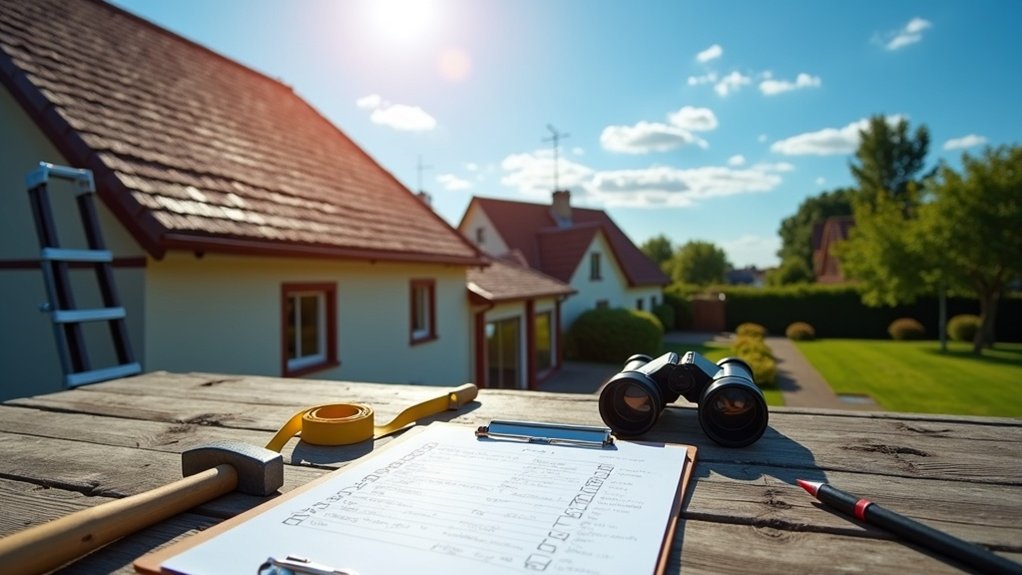
How to Prepare for a Roof Survey Before Selling Your Home
To prepare for a roof survey before selling your home, begin by arranging a professional inspection to identify any hidden issues. Familiarise yourself with common problems such as leaks or damaged tiles, and address necessary repairs without delay. Maintain a clean roof and ensure proper drainage. Obtaining a roof certification can enhance buyer confidence, so consider this as part of your preparations. Lastly, gather detailed documentation regarding the roof’s condition to share with potential buyers. Taking these steps can help ensure a smoother sale process.
Key Takeaways
- Arrange for a professional roof inspection to identify any hidden problems and build buyer confidence before you sell your home.
- Familiarise yourself with common roof issues like leaks, cracked tiles, and inadequate ventilation, and address them to ensure your roof is sound.
- Regularly clean and maintain your roof and gutters to prevent water build-up and ensure effective drainage.
- Acquire a roof certificate and compile documentation that outlines the roof’s condition, age, and any repair history to reassure potential buyers.
- Schedule inspections during mild weather and set aside a budget for necessary repairs to avoid unexpected costs during the selling process.
Schedule a Professional Roof Inspection

When selling your home, scheduling a professional roof inspection is crucial. It can reveal hidden issues that may impact your property’s value. A comprehensive inspection not only identifies leaks or damage but also provides a checklist to address any concerns before listing your home.
Having a roof inspection demonstrates responsible maintenance, which can enhance buyer trust. By resolving issues early, you reduce the risk of delays or cancellations during the selling process. Additionally, obtaining a roof certification can reassure potential buyers and may expedite the sale. This proactive step not only avoids legal issues but also protects you from potential financial consequences related to undisclosed roof problems. Regular inspections should be conducted biannually and after severe weather to catch early signs of wear, ensuring your roof is in optimal condition.
Prioritising this step reflects your commitment to quality, ultimately benefiting both you and prospective buyers in the transaction.
Understand Common Roof Issues
Understanding common roof issues is crucial for maintaining your home’s integrity. Addressing these problems not only safeguards your investment but also boosts buyer confidence.
Here are three common roof issues to watch out for:
- Roof Leaks: Usually caused by damaged tiles, issues with flashing, or deteriorating sealants, leaks can lead to serious water damage and mould growth if not dealt with swiftly. Proactive strategies can prevent significant problems that may arise from leaks. Regular maintenance of flashing and drainage systems is essential to avoid costly repairs.
- Tile Damage: Missing or broken tiles can expose your roof to moisture and negatively impact your home’s appearance, which may affect its sale price.
- Poor Ventilation: Insufficient airflow can lead to faster roof deterioration and increased energy bills, making proper ventilation essential for longevity.
Being proactive about these issues will ultimately benefit you and any potential buyers.
Complete Necessary Repairs

Before your roof survey, it’s essential to identify any existing issues that could affect your roof’s integrity. Start by prioritising important repairs, such as replacing broken tiles or fixing damaged flashing, to improve both the condition and appearance of your roof. Tackling these problems prevents further damage and enhances your home’s appeal when it comes to selling. Additionally, addressing necessary repairs can significantly impact buyer loan approvals if your roof is in poor condition. Regular inspections can help identify key signs of damage before they become significant issues.
Identify Existing Issues
Identifying existing issues with your roof is crucial for its longevity.
Before conducting a roof survey, take a moment to check the following areas where problems commonly occur:
- Inspect for shingle damage: Look for curled, missing, or blistered tiles that can compromise waterproofing and lead to leaks.
- Examine flashing integrity: Check the metal flashing around chimneys and vents for any signs of rust or cracks, as these can allow water to seep in.
- Assess drainage systems: Ensure gutters are clear and correctly positioned to direct water away from your roof and foundations.
Prioritize Essential Repairs
When assessing your roof’s condition, it’s essential to prioritise necessary repairs to protect your home and investment.
Begin by addressing any leaks and replacing damaged tiles to maintain the roof’s appearance and prevent further complications.
Ensure all flashing is secure to prevent water ingress, as this detail is often scrutinised by buyers and surveyors.
Keep gutters and downpipes clear for proper drainage, which boosts curb appeal and instils confidence in potential buyers.
If your roof is showing significant signs of wear, consider a partial or full replacement to avoid issues during negotiations.
It’s crucial to tackle structural repairs to ensure stability and long-lasting durability.
Clean and Maintain Your Roof

To keep your roof in top condition, regular cleaning and maintenance are crucial.
Proper roof care not only improves appearance but also extends its lifespan. Here are three essential tasks to focus on:
- Debris Removal: Regularly clear your roof of leaves, branches, and dirt to prevent moisture build-up and decay.
- Gutter Cleaning: Clean your gutters several times a year, particularly after heavy rain, to ensure proper water drainage and avoid damage.
- Seasonal Inspections: Schedule cleanings and inspections each season to promptly address any signs of wear and tear.
Consider Material Replacement
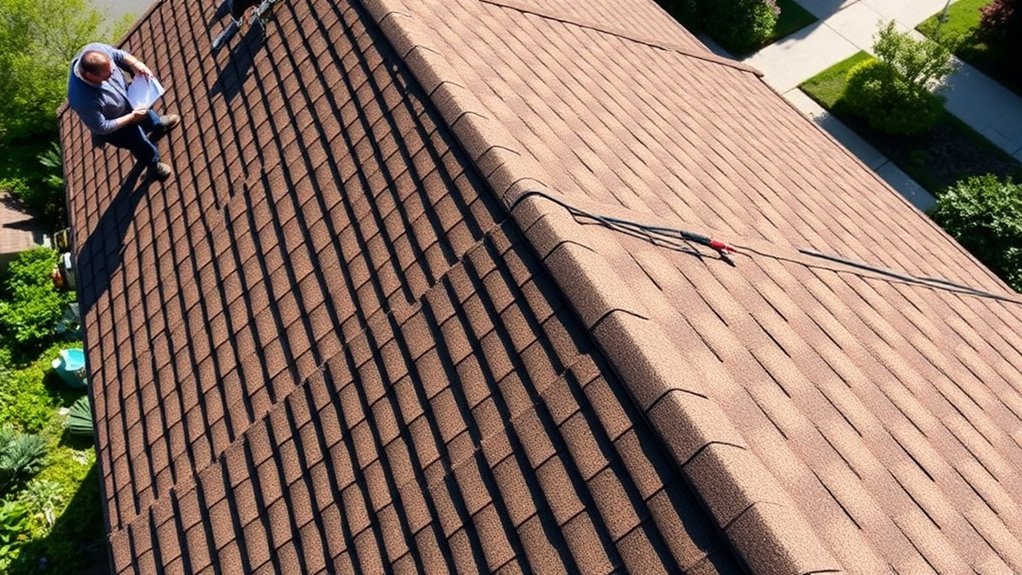
When evaluating your roof’s condition, think about whether you need a material replacement for safety and efficiency.
Opting for energy-efficient materials can lower your energy bills and boost your home’s value.
For instance, modern materials like slate or metal can offer better insulation.
Choosing wisely now can provide lasting benefits, so consider your options carefully.
Assess Current Roof Condition
Before scheduling a roof survey, it’s important to assess the current condition of your roof, as this will inform decisions about any necessary material replacements. Proper roof maintenance is crucial, especially given the impact of weather on roofing materials.
Here are three key areas to focus on:
- Visual Inspection: Check for missing or damaged tiles, granule loss, and any sagging in the ridges and valleys.
- Flashing and Seals: Inspect the flashing around chimneys and vents, ensuring that seals are intact to prevent leaks.
- Gutters and Drainage: Assess the state of your gutters and downspouts, making sure they’re clear and functioning properly to avoid water damage.
Explore Energy-Efficient Options
After assessing your roof’s condition, consider energy-efficient options that can boost your home’s sustainability and lower your utility bills.
Replacing your roof with materials like metal or tile can make a significant difference. These materials reflect solar heat, helping to keep your home cooler in the summer and reducing cooling costs. Metal roofs can last between 40 to 70 years, while tile roofs are known for their excellent heat resistance.
Although the initial investment may be higher, the long-lasting durability and efficiency of these options offer substantial savings on energy bills in the long run.
Additionally, ensuring proper installation can enhance your roof’s energy performance, creating a comfortable living space while supporting eco-friendly practices.
Obtain Roof Certification
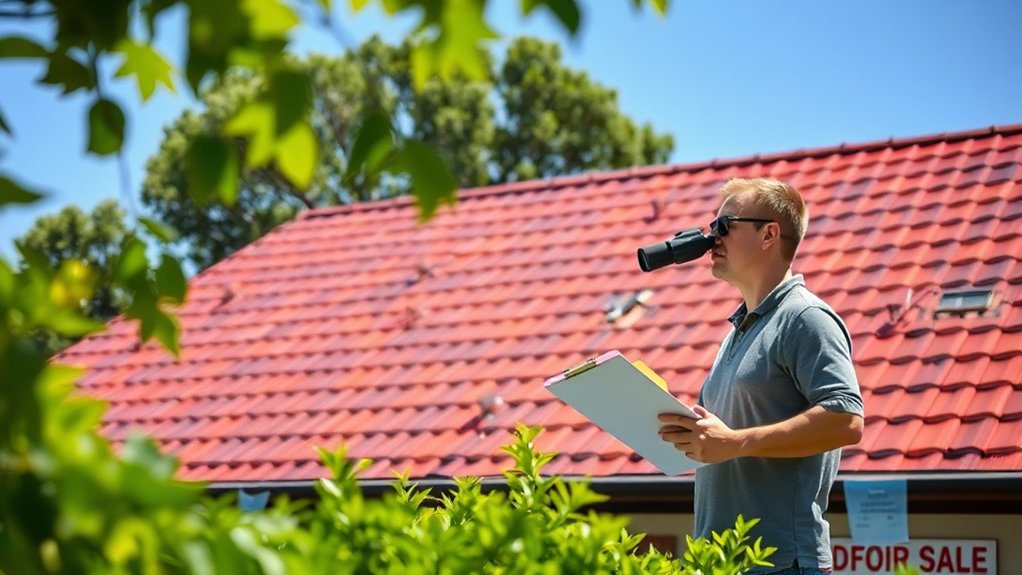
Obtaining a roof certification is crucial for ensuring your roof meets the required standards, giving potential buyers confidence.
This certification not only boosts your property’s value but also streamlines the selling process.
Here are three straightforward steps to follow:
- Engage a qualified roofing professional to perform a comprehensive roof inspection.
- Resolve any issues identified during the inspection, such as leaks or structural problems.
- Obtain a detailed report that outlines the roof’s condition, age, and suggested repairs.
Prepare Documentation for Buyers

Once you’ve secured a roof certification, the next step is to prepare detailed documentation for potential buyers.
Meeting buyer expectations begins with a comprehensive documentation checklist. Start by completing a seller’s disclosure form that outlines the roof’s condition, age, and any known issues.
Include previous repair records and inspection reports to foster trust and transparency. If there’s any damage, provide photographs as evidence.
Don’t forget to include warranty information for any roof components, if available. Ensure all disclosures are accurate and complete to comply with legal requirements.
Lastly, be ready to present additional documents like certifications for mortgage approval, making the process smoother for both you and the buyers.
Timing Your Roof Preparation

When planning a roof survey, timing is crucial for accurate assessments and effective repairs. Here are some key tips for optimising your roof preparation:
- Schedule inspections in late spring or early autumn when the weather is milder, making it safer to evaluate potential damage.
- Carry out inspections twice a year to spot minor issues before they worsen, especially in areas prone to extreme weather.
- After severe weather events, inspect your roof within 48 hours to uncover any hidden damage and avoid costly repairs.
Budgeting for Roof Inspection and Repairs

Budgeting for a roof inspection and repairs is crucial for maintaining your home’s value and safety. Knowing the costs involved ensures you’re prepared for any necessary expenses. Here’s a quick overview of potential costs:
| Cost Type | Cost Range |
|---|---|
| Roof Inspection | £100 – £500 |
| Minor Repairs | £75 – £350 |
| Moderate Repairs | £350 – £1,200 |
| Major Repairs | £2,500 – £8,000+ |
| Certification Fees | £60 – £150 |
Setting aside 10-20% of your roof’s value for annual maintenance can help cover minor repairs, while a contingency fund of 10-15% will prepare you for unexpected issues. Prioritising your budget not only boosts buyer confidence but also enhances your home’s appeal.
Frequently Asked Questions
How Long Does a Roof Inspection Typically Take?
A roof inspection usually lasts between 30 minutes and 2 hours. The time taken can vary based on factors such as the size of the roof, its complexity, and how accessible it is. For instance, a small bungalow might only take half an hour, while a large, multi-storey house could take longer. Knowing these factors can help you better estimate the time needed and prepare for the inspection.
Can I Perform a Roof Inspection Myself?
You can carry out a DIY roof inspection using basic tools, but ensure your safety is a priority. Look for visible damage, such as cracked tiles or loose slates. However, be aware that some problems may need a professional’s expertise for a comprehensive assessment and proper repairs.
What Are Signs That My Roof May Need Replacement?
If you observe notable wear on your roof, such as curled or cracked tiles, or areas where the material is missing, it’s time to consider a replacement. Damaged tiles can lead to leaks and potential structural problems, so it’s important to address these issues promptly.
How Do I Choose a Reputable Roofing Contractor?
Choosing a roofing contractor can feel like searching for a needle in a haystack. Start by checking the contractor’s credentials and looking for client reviews to ensure they are reliable. It’s important to prioritise experience, clear communication, and a local presence. For instance, a contractor with a solid reputation in your area is more likely to understand the specific challenges of your roof type. This approach will help you forge a trustworthy partnership that protects your investment.
Will a New Roof Increase My Home’s Value Significantly?
Yes, a new roof can significantly increase your home’s resale value. Benefits include improved curb appeal, fewer maintenance worries, and greater buyer confidence, which can make your property more appealing in a competitive market. For instance, a well-maintained roof can attract potential buyers who value long-term investments, helping you secure a better price when selling.
Conclusion
Preparing your roof before selling your home can significantly enhance its appeal and increase market value. A well-kept roof reassures potential buyers that they won’t encounter unexpected issues later on. Take the time to clean gutters, check for missing tiles, and repair any leaks. This small effort can greatly improve your home’s first impression. Ultimately, a little maintenance today can lead to a more successful sale tomorrow.


