

How Often Should UK Homeowners Get Roof Inspections?
As a homeowner in the UK, it’s important to have your roof inspected at least once a year to ensure it remains in good condition and to prevent expensive repairs. For flat roofs, it’s advisable to schedule inspections twice a year due to the risk of water pooling. If your roof is relatively new, checking it every two years during the first decade is sufficient. However, if your roof is older, annual inspections are essential to identify any signs of deterioration early. Understanding the inspection process and routine maintenance can save you from future headaches, so let’s dive into the details.
Key Takeaways
- Most roofs should be inspected annually to ensure they remain sturdy and to catch any potential issues early.
- Flat roofs should be checked twice a year, as they are more prone to water pooling.
- New roofs need an inspection every two years during the first ten years.
- Older roofs require annual inspections to prevent deterioration and avoid costly repairs.
- Look out for visible damage, severe weather, or changes in the seasons as signs that an inspection may be needed.
Understanding the Importance of Roof Inspections
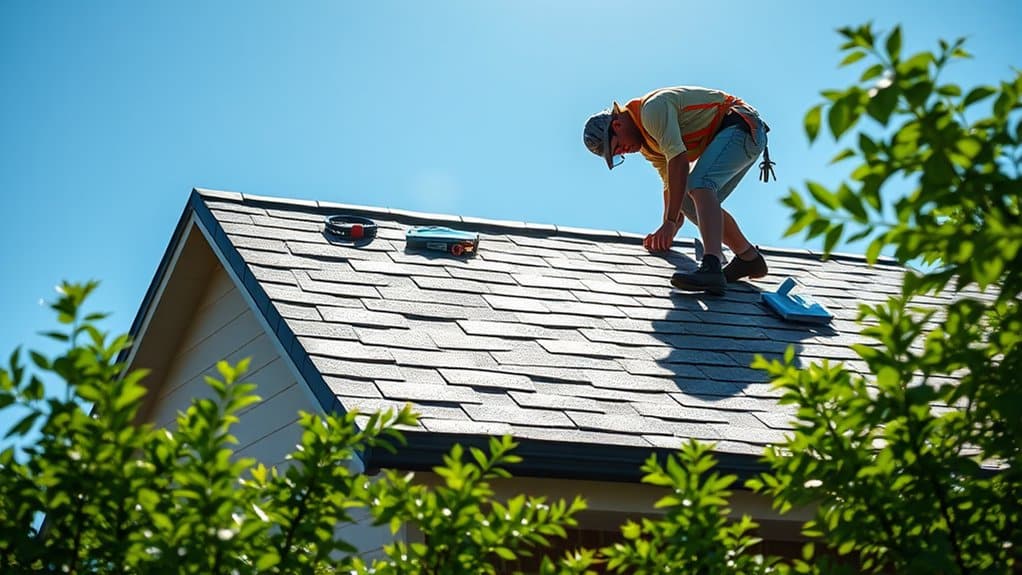
While you mightn’t think about your roof often, regular inspections are essential for maintaining its strength and lifespan. Consistent roof maintenance can prevent up to 95% of potential issues, allowing you to spot problems early. This proactive approach helps avoid costly repairs and structural damage, saving you money in the long run. Moreover, regular inspections can prevent 95% of roofing issues and address safety concerns, ensuring compliance with insurance policies. By identifying minor issues before they worsen, you protect your home from weather-related damage and preserve its overall value.
Investing in roof inspections not only boosts energy efficiency but also keeps your property looking well-cared-for, benefitting both you and future homeowners. Regular evaluations of roofing system components embrace the advantages of inspections for your peace of mind!
Recommended Inspection Frequency for Different Roof Types

The frequency of roof inspections largely depends on the type of roof you have. For most homeowners, an annual inspection is generally adequate. However, flat roofs often require inspections twice a year due to their specific issues, such as pooling water. Regular inspections can help ensure early detection of issues that may lead to significant damage if not addressed promptly. Additionally, it is important to document inspections to track roof condition over time and identify recurring problems.
Annual vs. Bi-annual Checks
Choosing the right frequency for roof inspections depends on its type, age, and local weather conditions. Generally, most roofs should be inspected annually to identify minor issues before they become serious. In areas prone to severe weather, bi-annual inspections might be advisable.
Here are some key considerations:
- New Roofs: Check every two years for the first ten years. Regular inspections help in maintaining the roofing system’s overall integrity.
- Older Roofs: Annual inspections are crucial due to higher risk of deterioration. This is essential for preventing damage that could lead to costly repairs.
- Material Type: Different roofing materials may need varying inspection schedules. Clay or cement roofs typically last 50 years unless replaced due to extreme circumstances.
Special Cases Overview
Regular inspections are crucial for different roof types to ensure their longevity and integrity. For heritage buildings, inspections should be more frequent due to their intricate designs and unique materials. Using drones for inspections can be more expensive but helps avoid potential damage.
Pitched roofs require inspections with an emphasis on the condition of tiles and any gaps, particularly after severe weather events.
Flat roofs need thorough checks for leaks and areas of standing water. While metal roofs are generally robust, they should be inspected annually for rust and to ensure fasteners are secure.
If your roof is exposed to extreme weather, consider increasing the frequency of inspections.
Key Triggers for Roof Inspections

How can you ensure your roof stays in top condition? Identifying key triggers for roof inspections is vital for timely checks.
Keep an eye out for the following:
- Visible damage: Look for cracked tiles, sagging areas, or water stains that might suggest leaks.
- Weather events: After storms with strong winds or heavy snowfall, inspect for dislodged materials or ice damage.
- Age and type: If your roof is over 15 years old or has a low slope, it requires more frequent inspections, ideally every 6-12 months.
Seasonal Considerations for Roof Maintenance
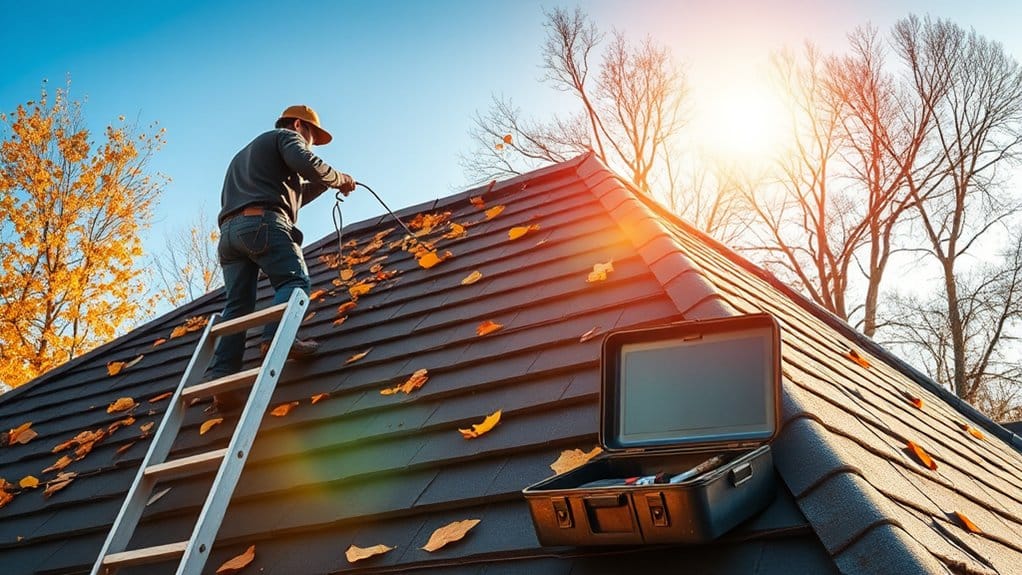
Roof maintenance mightn’t be top of mind, but considering the seasons is crucial for its durability and performance.
Each season brings specific weather challenges that can impact your roof.
In spring, check for any damage from winter and clear your gutters to prevent blockages.
During summer, keep an eye on heat effects and ensure proper ventilation to manage moisture.
As autumn approaches, brace your roof for storms and inspect your drainage systems.
In winter, take steps to prevent ice dams and reduce structural stress.
The Inspection Process: What to Expect

When you arrange a roof inspection, you can expect a thorough assessment of both the exterior and interior.
The inspector will check for visible issues, such as missing tiles, and will also inspect your loft for signs of leaks or dampness.
This careful approach ensures that both obvious and hidden problems are identified, paving the way for effective repairs.
External Assessment Techniques
When preparing for a roof inspection, you can expect a thorough evaluation using various external assessment techniques to identify potential issues.
These methods often incorporate advanced technology for a comprehensive analysis:
- Drone technology: Uses high-resolution imaging to inspect hard-to-reach areas safely, making it ideal for large properties.
- Thermographic scanning: Utilises infrared cameras to effectively detect moisture intrusion and insulation gaps, helping to prevent costly repairs later on.
- Visual inspections: Focus on the condition of materials, drainage systems, and chimneys to identify any visible deterioration.
These techniques ensure that your roof is assessed accurately, providing peace of mind for homeowners.
Internal Evaluation Methods
Understanding the internal evaluation methods used during a roof inspection is vital for spotting potential issues that could compromise your home’s integrity.
During an internal inspection, professionals employ tools such as moisture meters and thermal imaging cameras to identify water damage and assess insulation effectiveness. They examine critical areas like roof trusses and wall plates for structural weaknesses that could threaten stability.
Inspectors also check for adequate ventilation and signs of pest infestations. Following the inspection, you’ll receive a detailed report outlining findings, complete with photographic evidence and repair recommendations.
This thorough approach ensures you’re well-informed about your roof’s condition, allowing you to take timely action to safeguard your home.
Benefits of Regular Roof Inspections
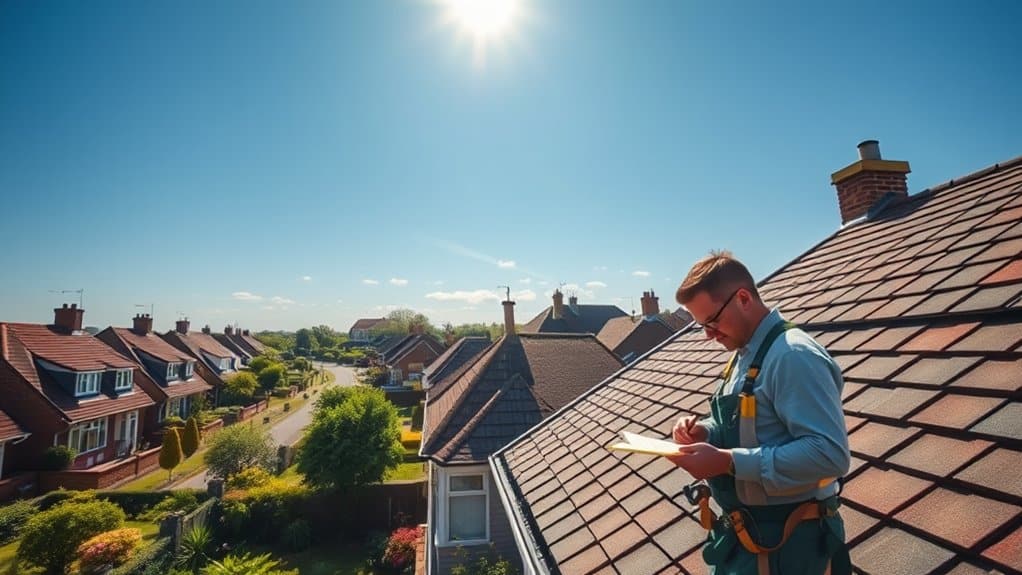
Regular roof inspections are vital for homeowners looking to maintain the safety and integrity of their property. By using modern inspection technology, you can extend the life of your roof and avoid expensive repairs.
Here are some key benefits of regular inspections:
- Early Problem Detection: Identify minor issues before they become major problems.
- Preventing Water Damage: Address leaks that could harm your home’s structure.
- Boosting Property Value: A well-maintained roof enhances your home’s attractiveness.
Addressing these issues proactively not only protects your home but also gives you peace of mind.
Routine inspections ensure a strong roof, lower repair costs, and a safe living environment for you and your family. Investing in regular inspections is a sensible approach to long-term property maintenance.
Special Cases: Unique Roof Types and Their Needs
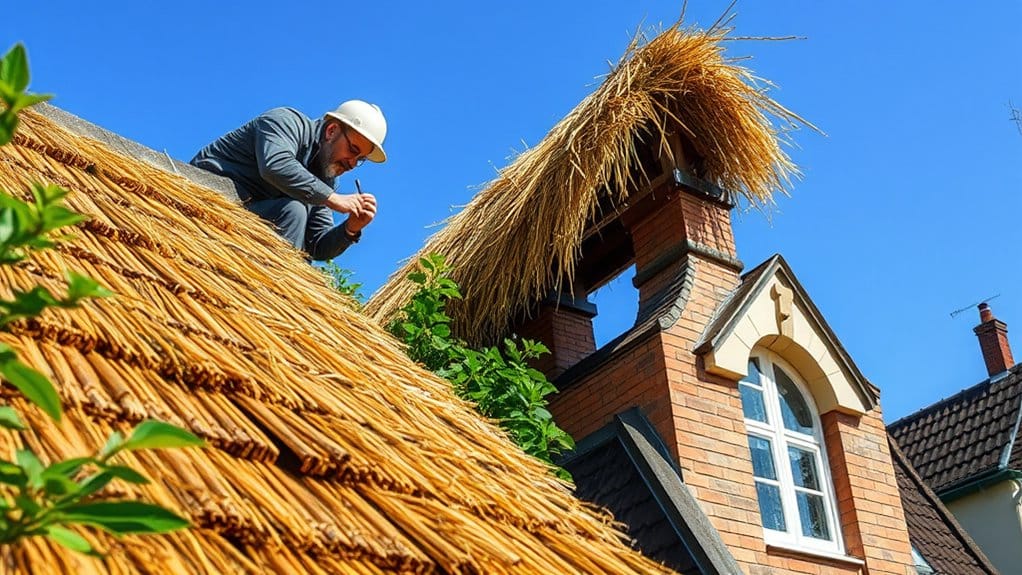
When it comes to roof inspections, various roof types come with distinct challenges and considerations that homeowners need to be aware of.
| Roof Type | Special Considerations |
|---|---|
| Convex Roofs | Higher risk of wind uplift; requires bespoke materials. |
| Flat Roofs | Susceptible to water pooling; needs effective drainage. |
| Green Roofs | Requires monitoring of plant health; must manage structural load. |
Convex roofs should be checked regularly for material integrity and drainage efficiency. Flat roofs need inspections for cracks and sagging. Pitched roofs must ensure that slates and tiles are securely in place. Green roofs require careful monitoring of ecosystems and weight management. Additionally, roofs on historical buildings need specialised care to uphold their integrity and appearance, ensuring inspections adhere to preservation standards.
The Role of Weather in Inspection Frequency

Roof inspections are crucial for maintaining your roof’s integrity, and the weather significantly influences how often you should carry them out. Here are some key considerations:
- Severe Weather Events: After storms, it’s wise to schedule an inspection promptly to check for any damage.
- Seasonal Changes: Inspect your roof in spring and autumn to assess the impact of winter and summer weather.
- Moisture and Temperature: During wetter months, regular checks can help spot potential weaknesses.
Be aware that temperature fluctuations can affect roofing materials, so keep an eye out for issues during these changes.
Staying proactive with inspections based on weather patterns can save you time and money in the long run.
Cost Implications of Neglecting Roof Inspections
Neglecting roof inspections can lead to soaring repair costs, as minor issues often develop into serious structural problems.
Moreover, your insurance policy may not cover preventable damage if you can’t demonstrate regular maintenance, leaving you financially exposed.
Additionally, unchecked roof deterioration can significantly reduce your property’s value, making timely inspections essential.
Increased Repair Expenses
Neglecting regular roof inspections can lead to significantly higher repair costs, which many homeowners often overlook.
Minor issues can quickly escalate into major problems, putting a strain on your finances. Consider the following:
- Minor repairs usually cost between £100 and £500, while major repairs can run over £10,000.
- Emergency call-out fees for unexpected leaks can be two to three times higher than standard rates.
- Interior damage from unnoticed leaks may double the repair costs, as you’ll need to address additional work like replacing plasterboard.
Regular inspections can save you from these escalating expenses.
Insurance Policy Complications
Many homeowners may not realise that neglecting regular roof inspections can lead to serious issues with insurance policies. Most insurers in the UK require these inspections to comply with their terms, and failing to do so can result in penalties like claim rejections or higher premiums.
For example, if your roof type has specific maintenance conditions and you overlook inspections, certain damages mightn’t be covered.
When processing claims, insurers often ask for proof of recent inspections. Without this documentation, you risk having your claims turned down.
Keeping detailed records of inspections not only helps with smoother claims processing but also protects you from potential financial loss. Regular inspections are vital to protect your home and ensure your insurance remains valid.
Property Value Decrease
Regular roof inspections are crucial for maintaining both the structural integrity of your home and its market value. Ignoring these checks can lead to significant drops in property value and deter potential buyers. Here’s why:
- Curb appeal issues: Visible roof damage can put off buyers at first glance.
- Risk of structural damage: Undetected leaks may result in expensive internal repairs.
- Higher energy costs: Poor insulation can lead to increased utility bills, which turns buyers away.
Research shows that 53% of UK homeowners believe roof damage negatively impacts their sale prospects.
Buyers often prioritise the condition of the roof, and visible neglect may suggest wider maintenance problems, further decreasing your home’s appeal.
Protect your investment by scheduling regular inspections and making necessary repairs.
How to Choose a Qualified Roof Inspector
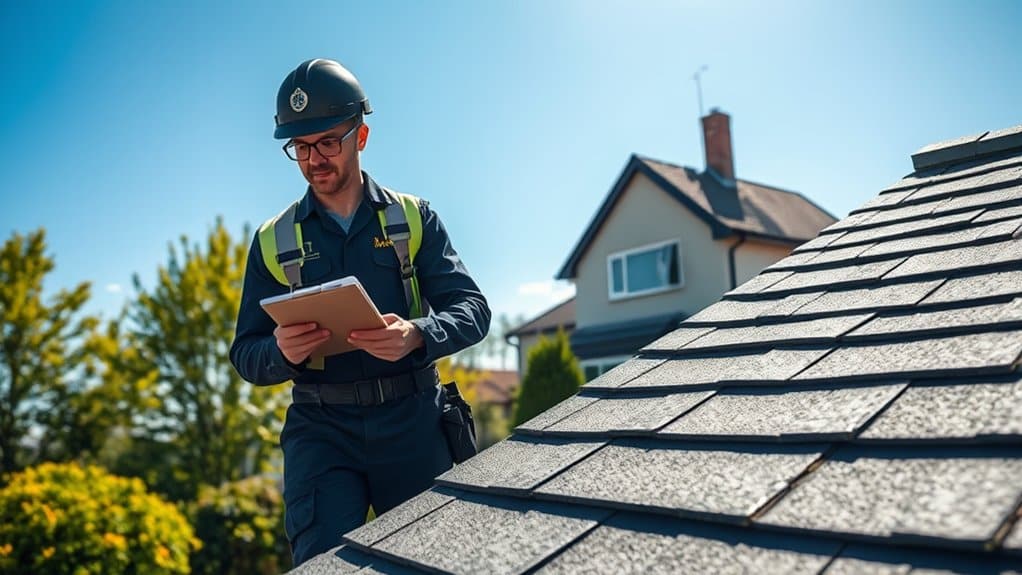
When choosing a qualified roof inspector, it’s important to consider their qualifications and experience to ensure a thorough assessment of your roof.
Look for inspectors with recognised certifications, such as those from the National Roof Certification & Inspection Association (NRCIA). Check their qualifications to ensure they’ve received proper training and keep up to date with industry standards.
It’s wise to prioritise inspectors with a good reputation, supported by positive reviews from previous clients.
Make sure they follow a strict code of conduct, showing professionalism and clarity in their reports.
Preparing for a Roof Inspection: Tips for Homeowners

Preparing for a roof inspection can significantly influence the results, so it’s important to take a few key steps. Start by removing any debris from your roof to ensure a comprehensive assessment.
Make sure you have the necessary tools and prioritise safety throughout the process.
Here are some tips to help you prepare:
- Carry out a visual inspection from the ground to identify any obvious problems.
- Familiarise yourself with the inspection checklists for your specific roof type, such as tiled or flat roofs.
- Ensure that gutters and downspouts are clear to prevent any water build-up.
Taking these steps can help facilitate a smoother inspection.
Maintaining Roof Integrity: Beyond Inspections
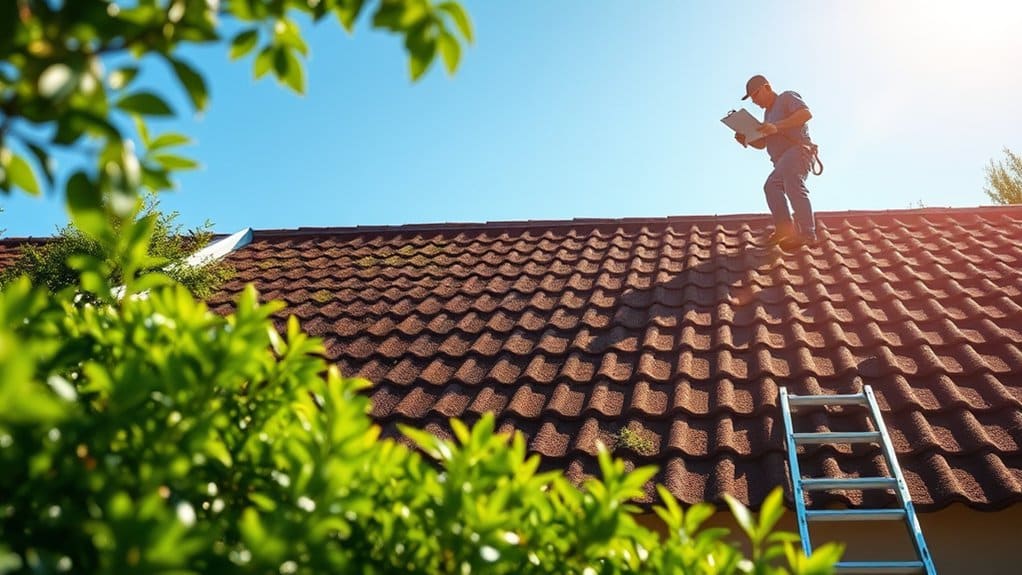
Maintaining your roof’s integrity involves more than just inspections; it requires consistent care to avoid expensive damage. Regular preventative maintenance keeps your roofing materials in good condition and extends their lifespan. Here’s a handy reference for essential tasks:
| Task | Frequency |
|---|---|
| Gutter Cleaning | Twice a year |
| Tree Trimming | Annually |
| Moss/Algae Treatment | Annually |
| Post-Weather Checks | After storms |
Carry out biannual inspections to identify issues early and ensure drainage systems are functioning correctly. Remember to check ventilation and manage loads when carrying out repairs. Seeking professional advice can help you maintain your roof and safeguard your home for years to come.
Frequently Asked Questions
Can I Perform Roof Inspections Myself?
Yes, you can carry out roof inspections yourself, but it’s essential to prioritise safety. Use appropriate equipment, such as ladders and harnesses, and know your own limits. Without the right expertise, you might overlook significant problems that need professional attention. For instance, if you spot missing tiles or signs of water damage, it might be wise to call in a professional.
What Should I Do if I Find Damage?
If you discover damage during your inspection, carry out a detailed assessment. Take note of everything, then consider repair options, such as hiring a reputable contractor, to ensure proper fixes and maintain your roof’s integrity for the long term.
How Long Does a Roof Inspection Take?
A roof inspection is like a health check for your home. It usually takes around 4-6 hours with traditional methods. However, using drones can reduce this time to about 2 hours, while still ensuring a thorough examination.
Are Roof Inspections Covered by Home Insurance?
Roof inspections are generally not covered by home insurance in the UK. However, conducting regular inspections is vital as they can help identify issues before they escalate, ultimately reducing the need for claims. Always check the details of your policy for any specific terms regarding inspection coverage.
What Qualifications Should a Roof Inspector Have?
When looking for a roof inspector, consider them as the protector of your home’s structure. Ensure they possess relevant certifications and adequate experience to confirm they are capable of assessing roofing systems and following safety regulations. For instance, a qualified inspector might have a National Federation of Roofing Contractors (NFRC) membership or a relevant NVQ qualification. This ensures they are knowledgeable about the materials and methods used in roofing, providing peace of mind that your roof is in good hands.
Conclusion
Regular roof inspections are essential for UK homeowners, acting as a crucial defence against unexpected issues. Scheduling these inspections ensures your roof continues to protect your home effectively. Don’t wait for a storm to expose problems; be proactive instead. Hire a qualified inspector and prepare properly. A well-maintained roof not only protects your investment but also gives you peace of mind for years to come.


