

What Is GRP Roofing? Benefits and Installation Guide
GRP roofing, made from Glass Reinforced Polyester, is a top choice for flat and low-slope roofs in the UK. It combines the strength of fibreglass with flexible polyester resin, creating a seamless cover that stops leaks and puddles.
You’ll get a roof that lasts 20-30 years, needs little upkeep, and stands up to our harsh British weather.
Fitting GRP involves layering resin, fibreglass matting, and a protective topcoat on a prepared surface. It beats traditional materials like felt, offering better waterproofing and the ability to match your home’s look.
When picking a roofer, look for experience, qualifications, and proper insurance. It’s worth learning about the installation process and materials to make a smart choice.
GRP might cost more upfront, but its durability makes it a sound investment for many UK homeowners.
Key Takeaways
GRP roofing offers a tough, low-maintenance option made from Glass Reinforced Polyester, lasting 20-30 years.
Key benefits include top-notch waterproofing, resistance to British weather, and the ability to match various property styles.
Fitting involves layering resin, fibreglass matting, and a protective topcoat on a prepared surface – think of it as creating a sturdy, waterproof skin for your roof.
These roofs need little upkeep; a regular clean and the odd check-up will keep them in good nick.
It’s crucial to hire a qualified contractor with GRP know-how and proper insurance. After all, you wouldn’t want just anyone tinkering with your roof, would you?
Understanding GRP Roofing
GRP roofing is a top choice for flat roofs in the UK. Made from Glass Reinforced Polyester, it combines polyester resin and glass fibres to create a tough, long-lasting material. This fiberglass system offers seamless coverage, reducing the risk of leaks and puddles on your roof.
Fitting GRP roofing involves layering resin and fiberglass matting, topped with a protective coat. The result? A solid surface that can handle our varied British weather. It typically lasts 20 to 30 years, outliving traditional options like felt or asphalt.
One of the best bits about GRP roofing is how little upkeep it needs. A regular clean and occasional once-over are usually enough to keep it in good nick.
The topcoat doesn’t just shield against UV rays; it also lets you choose colours to match your home or building’s style. It’s no wonder GRP has become a favourite for flat roofs on homes and businesses across the country.
Key Benefits of GRP Roofing

GRP roofing lasts over 20 years, far outliving traditional felt roofs that need replacing every 6-8 years. This durability saves you a bundle in the long run.
You’ll also spend less time and money on upkeep, as GRP roofs only need a regular clean and the odd re-coat to keep them looking good and doing their job.
It’s a bit like having a sturdy garden shed that stands up to the British weather year after year, rather than a flimsy one you’re constantly patching up.
Long-lasting Durability
GRP roofing boasts exceptional durability, lasting over 30 years with proper care. This far outstrips traditional felt roofs, which often need replacing after 6-8 years. It’s a top choice for homes and businesses alike.
The material’s seamless construction provides excellent waterproofing. It stands up well to UV rays, harsh weather, and environmental factors. Regular cleaning and occasional re-coating can further extend its life and keep it looking good.
GRP’s durability comes from:
- Seamless design reducing leak risks
- Strong resistance to UV and weather
- Light weight causing less structural stress
- Superior waterproofing
- Easy upkeep
While GRP might cost more upfront, its longevity and low maintenance needs lead to significant savings over time.
For property owners wanting a reliable, long-lasting roof that can handle Britain’s weather, GRP is a smart investment.
Low Maintenance Requirements
GRP roofing boasts impressively low maintenance needs. Unlike traditional materials, it requires minimal upkeep. A simple clean with a mop and garden hose usually suffices to remove dirt and debris.
Twice-yearly checks are advised to spot any issues early, ensuring your roof’s longevity.
The seamless design of GRP roofs greatly reduces leak risks, further cutting long-term maintenance. It doesn’t need regular treatments or coatings to stay waterproof, making it cost-effective over time.
Its smooth surface also resists algae and moss growth, easing maintenance efforts.
If small cracks or pinholes appear, they’re often quickly fixed without extensive repairs. To keep your GRP roof in top shape, just keep it clean and dry.
While it’s low maintenance, having a professional check it now and then is wise to catch any potential problems early.
GRP Roofing Installation Process

GRP Roofing Installation Process
The GRP roofing installation involves five key steps:
- Preparation: Remove existing materials, ensure decking is clean and dry, and check joists for rot.
- Lay OSB3 boards: Use a gas-powered nail gun to fix boards perpendicular to joists, creating a solid base.
- Apply resin and fiberglass: Coat boards with specialised resin, then lay fiberglass matting and saturate with more resin for waterproof coverage.
- Allow curing: Let the laminate set before proceeding.
- Apply topcoat: Add a customisable finish for aesthetics and durability.
Important points:
- Keep temperatures below 35°C during installation
- Ensure complete saturation of fiberglass matting
- Allow proper curing time between layers
- Follow manufacturer guidelines closely
Proper installation is crucial for the longevity of your GRP roof.
Just as you’d regularly check your gutters or tiles, paying attention to detail during this process will ensure a waterproof roof that protects your property for years to come.
Materials and Tools Required
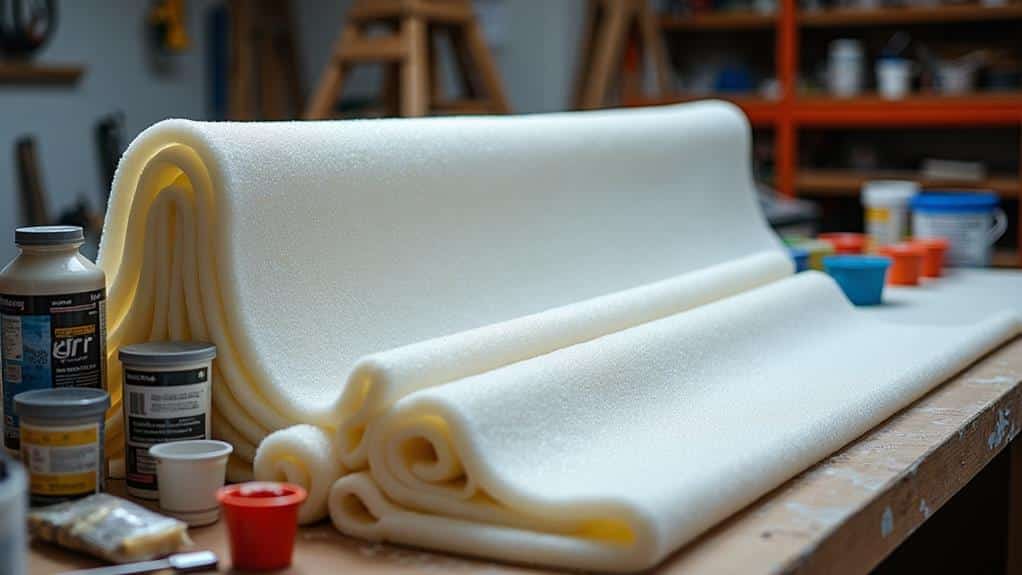
Essential materials for GRP roofing:
- GRP composite (polyester resin and glass fibre matting)
- OSB3 timber decking (18mm thick minimum)
- 50mm ring shank nails
- PIR insulation (50-150mm thick)
- GRP edge trims
Key tools:
- Polyester rollers
- Paddle rollers
- Paintbrushes
Ensure your materials comply with UK regulations for warm flat roofs.
The right tools and quality materials are crucial for a successful installation.
Proper OSB3 decking provides a solid foundation, while PIR insulation keeps your home cosy.
GRP edge trims add a polished finish and boost waterproofing.
With these essentials, you’ll be well-equipped to tackle your GRP roofing project.
Maintenance and Longevity
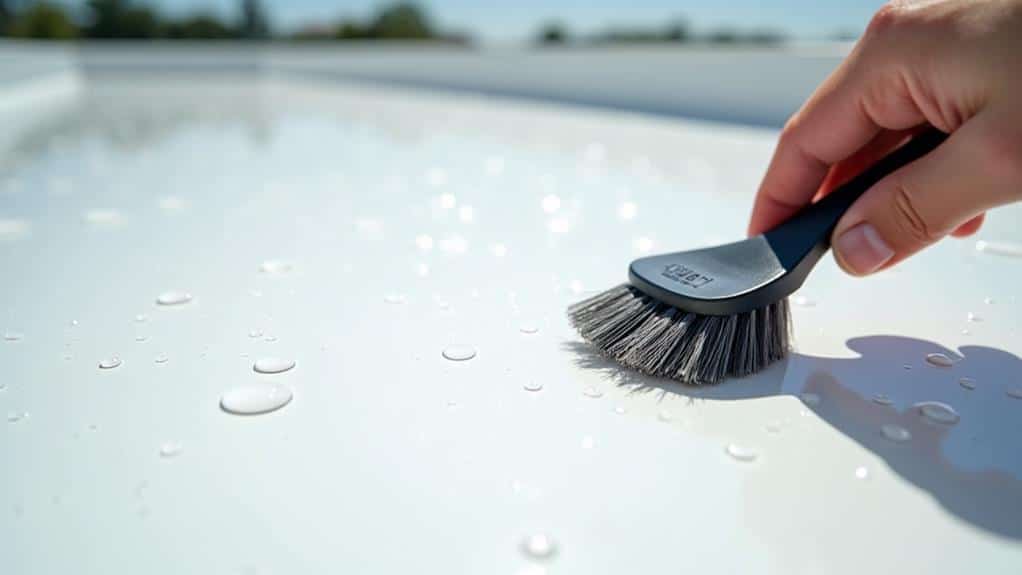
GRP roofing boasts impressive durability, lasting 20 to 30 years with proper installation and upkeep. Regular maintenance is key to maximising its lifespan. This includes routine cleaning to prevent debris build-up and water pooling, which can cause damage over time.
Promptly addressing minor repairs, like fixing cracks or pinholes, can significantly extend the roof’s life. Annual inspections, typically taking 30-60 minutes, are crucial for maintaining roof integrity and spotting necessary repairs.
To ensure top performance and longevity of your GRP roof:
- Inspect regularly to catch potential issues early
- Clean the surface often to avoid debris accumulation
- Fix minor problems as soon as they’re noticed
- Reapply the topcoat every 5 to 10 years
- Schedule professional check-ups periodically
While GRP roofing is generally low maintenance, these simple steps can greatly impact its performance.
Comparing GRP to Other Roofing

GRP roofing trumps other materials in several ways. Its impressive 30-year lifespan dwarfs traditional felt roofing’s 6-8 years, making it a smart long-term investment for flat roofs.
Compared to rubber roofing, GRP boasts better durability and resistance to weather. Its top-notch UV protection and puncture resistance mean lower maintenance costs over time.
While pricier to install than asphalt shingles, GRP’s minimal upkeep often proves more cost-effective.
The seamless design of GRP roofs is a game-changer. It eliminates weak spots where leaks typically occur, offering superior protection against water damage.
GRP also offers more aesthetic options than rubber or metal, allowing you to customise your roof’s look.
For fiberglass roofing, GRP is a standout choice. It’s tough, long-lasting, and combines practicality with style, making it ideal for many flat roofing projects.
If you’re after a roof that’ll stand the test of time and look good doing it, GRP is worth considering.
Choosing a GRP Roofing Contractor

When choosing a GRP roofing contractor in the UK, it’s crucial to check their qualifications and GRP-specific experience.
Compare quotes and services from several firms, ensuring each provides a clear work plan and timeline.
Don’t forget to verify their insurance cover and any warranties on materials and labour to safeguard your investment.
A reputable contractor should be happy to show you examples of their previous GRP installations, perhaps on local buildings you can visit.
Verify Credentials and Experience
When choosing a GRP roofing contractor, it’s crucial to verify their credentials and experience. Look for qualifications like NVQ or City & Guilds in roofing or construction, as these show the contractor has the necessary skills.
Check that they’re familiar with UK building regulations and can assess GRP roofing’s suitability for your local climate.
Opt for contractors with at least 5 years of GRP roofing experience. This proves they know the material and techniques inside out.
Ask for references from previous clients to gauge their reliability and workmanship.
A trustworthy contractor should offer a warranty, typically 10 to 20 years. This shows they’re confident in their work and gives you long-term peace of mind.
To further validate their credibility, check if they’re members of respected trade organisations like the National Federation of Roofing Contractors (NFRC).
Key points to consider:
- Qualifications (NVQ, City & Guilds)
- Minimum 5 years of GRP roofing experience
- Client references
- Warranty (10-20 years)
- Trade organisation membership (e.g., NFRC)
Compare Quotes and Services
After checking a contractor’s credentials, compare their quotes and services. When reviewing GRP roofing quotes, ensure each one provides a detailed breakdown of materials, labour, and extra costs. This allows for accurate comparisons between contractors.
Look for contractors with specific GRP roofing experience, as their expertise affects your roof’s quality and lifespan. Read customer reviews to gauge reliability and professionalism. Happy clients often mean good service.
Make sure the contractor is fully insured and follows local building regulations. This protects you from potential issues during installation. Ask for warranties on materials and workmanship to cover future repairs or problems with the GRP roofing system.
Check Insurance and Warranties
Checking insurance and warranties is crucial when choosing a GRP roofing contractor. Always verify that they’ve proper liability insurance to protect you from potential accidents or damage during installation.
Ask about warranties for both materials and workmanship, as these offer extra assurance of quality and longevity.
To ensure you’re picking a reliable contractor:
- Look at past project references and customer reviews
- Check if they’re certified by GRP materials manufacturers
- Make sure they comply with local building regulations
- Confirm warranties on materials and workmanship
- Verify they’ve adequate liability insurance
Don’t be shy about asking for proof of insurance and detailed warranty information. A good contractor will happily provide these.
Pay attention to the terms of any warranties, as they can differ in coverage and duration. By thoroughly vetting insurance and warranties, you’re safeguarding your investment and ensuring your GRP roof’s long-term performance.
Frequently Asked Questions
What Are the Advantages of GRP Roof?
GRP roofing offers several key benefits for UK homeowners. It’s incredibly durable, requiring little upkeep, and is simple to install. With a lifespan of over 30 years, it’s a cost-effective choice in the long run. GRP is also environmentally friendly and provides excellent waterproofing. Think of it as a tough, long-lasting shield for your home that won’t break the bank. Plus, you can customise its look to suit your taste, much like choosing the right paint colour for your living room.
What Are the Benefits of Fiberglass Roofing?
Fiberglass roofing acts as a robust shield against the elements, offering durability that can span decades. It’s a breeze to install, requires minimal upkeep, and proves cost-effective when compared to other options. Environmentally conscious homeowners will appreciate its eco-friendly qualities. What’s more, you’ll find plenty of design choices to suit your property’s style, whether you’re after a sleek modern look or something more traditional. Think of it as a long-lasting, versatile solution for your home’s protection.
What Does GRP Stand for in Roofing?
GRP in roofing stands for Glass Reinforced Polyester. It’s a durable, low-maintenance material commonly used for flat roofs. GRP installation is swift, and its cost-effectiveness comes from its long lifespan. Think of it as a tough, waterproof skin for your roof that’ll last for years. It’s a popular choice for UK homeowners looking for a reliable roofing solution without the faff of constant upkeep.
Is GRP Waterproof Without Top Coat?
GRP, or glass-reinforced plastic, is naturally waterproof without a top coat. Think of it as a raincoat for buildings. It’s tough and saves money, but you’ll need to keep an eye on it. From boat hulls to roofing, GRP’s uses are wide-ranging. Proper installation is crucial for it to last. Regular checks and cleaning will keep it in top shape. For best results, consult a professional when considering GRP for your project.
Conclusion
You’ve now got the lowdown on GRP roofing, a material that’s as tough as old boots. From its durability to its smooth installation, you’re well-equipped to make a smart choice. Just remember, proper upkeep is crucial for getting the most out of it. When you’re weighing up your options, think about how GRP’s unique perks stack up against traditional materials. If you reckon it’s the right fit, don’t skimp on hiring a professional to ensure a watertight job. After all, a botched roof is about as useful as a chocolate teapot.


