

Comprehensive Guide to Roofing Repair: Solutions, Costs, and Best Practices
A comprehensive guide to roofing repair covers essential aspects like damage types, repair techniques, and maintenance strategies for homeowners across the country. Common issues include leaks, slipped tiles, and compromised flashing. Costs vary widely, from £120 for minor fixes to over £12,000 for full replacements, depending on the scale and complexity of the job.
Whilst DIY enthusiasts might attempt leak identification and temporary patching, professional services offer advanced detection methods and warranties. Regular inspections, gutter clearing, and proper material selection are vital for prevention.
To ensure longevity and compliance with building regulations, it’s crucial to engage qualified contractors familiar with local planning permissions and building standards.
Popular roofing materials include slate, clay tiles, and concrete tiles, each offering unique benefits suited to our diverse climate. When considering repairs or replacements, factor in regional weather patterns, such as increased rainfall in certain areas or exposure to coastal conditions.
Energy efficiency is becoming increasingly important, with many homeowners opting for materials and techniques that improve insulation and reduce heating costs. This aligns with government initiatives to reduce carbon emissions and create more sustainable housing.
By understanding these key elements, property owners can better protect their home’s integrity and value, whilst also contributing to broader environmental goals.
Remember, a well-maintained roof is not just about keeping the elements at bay; it’s an investment in the long-term health and efficiency of your property.
Key Takeaways
A Comprehensive Guide to Roofing Repair: Solutions, Costs, and Best Practices
Common roofing issues homeowners face include leaks, slate or tile deterioration, faulty flashing, blocked gutters, and general wear due to our unpredictable climate. Understanding these problems is crucial for maintaining a watertight home.
For minor repairs, one might expect to pay between £120 and £400, while more extensive work can reach upwards of £1,600. In cases where a complete overhaul is necessary, costs may exceed £12,000, depending on the size and complexity of the project.
While some handy individuals might attempt DIY solutions such as identifying leaks, replacing damaged tiles, applying temporary patches, or fitting new flashing around chimney stacks, it’s often wise to consult professionals. Skilled roofers offer expert leak detection, provide accurate quotations, uncover hidden issues, and importantly, offer warranty protection on their work.
Certified roofing specialists bring invaluable expertise, particularly when navigating the intricacies of local building regulations and selecting materials suited to our diverse regional weather patterns. Whether your property boasts traditional Welsh slate or modern synthetic tiles, professional insight ensures compliance and longevity.
To maintain your roof’s integrity, regular inspections are essential. This includes clearing gutters, especially after autumn leaf fall, and checking for loose or damaged tiles following stormy weather. Choosing appropriate materials for your area—be it in a coastal region prone to salt spray or an urban setting with air pollution concerns—is crucial for long-term durability.
By prioritising preventive maintenance and enlisting expert help when needed, homeowners can protect their investment and ensure their property remains snug and dry, regardless of what the British weather throws at it.
Types of Roof Damage
Various types of roof damage can compromise your home’s structural integrity and lead to costly repairs if left unaddressed. Leaks are a common issue, often resulting from damaged tiles, cracked flashing, or worn seals. If you don’t address these problems promptly, you’ll risk considerable structural damage and mould growth.
Regular roof surveys are essential for early detection of these issues and can help prevent escalation of minor problems into major repairs.
Tile deterioration is another prevalent concern. Harsh weather conditions can cause tiles to crack or go missing, exposing your roof to water infiltration and increasing leak risk. Similarly, flashing issues, such as corrosion or loosening, can allow water to enter around chimneys and vents, necessitating immediate repair to prevent further water damage.
Don’t overlook your guttering; sagging or clogged gutters can lead to water overflow and ponding, heightening the likelihood of leaks. Regular maintenance is vital to guarantee proper drainage and prevent water-related damage.
Age and lack of maintenance contribute greatly to roof deterioration. If you’re experiencing persistent leaks, frequent repairs, and increased energy costs, it may indicate a need for extensive repair or complete replacement.
Regular surveys and timely repairs can help extend your roof’s lifespan and prevent costly damage.
It’s worth noting that adherence to Building Regulations is crucial when undertaking any roofing work. Popular materials for domestic roofing include slate, clay tiles, and concrete tiles, each offering unique benefits suited to our climate.
Given our propensity for damp weather, ensuring proper ventilation and insulation is paramount to prevent issues like condensation and heat loss. By staying proactive with maintenance and choosing appropriate materials, homeowners can safeguard their properties against the challenges posed by our diverse weather patterns.
DIY Repair Techniques

A comprehensive toolkit of DIY repair techniques can empower homeowners to address minor roofing issues before they escalate. Begin with leak identification by locating water stains or mould inside your property. Once you’ve pinpointed the source, you can proceed with targeted repairs.
For tile replacement, remove damaged tiles and secure new ones according to manufacturer instructions. Temporary patching using roofing felt can seal small leaks or gaps until you implement a permanent solution. When addressing leaks around plumbing pipes, inspect and replace pipe collars or flashing, ensuring proper sealing.
Regular inspections, ideally twice yearly and after severe weather events, help identify wear and tear early. Promptly addressing moss and lichen growth through cleaning protects tiles and extends your roof’s lifespan.
It’s crucial to be aware of local building regulations and safety standards when undertaking any roofing work. For instance, working at height requires proper safety equipment and training. Many homeowners opt to hire professional roofers for more complex repairs or when dealing with traditional materials like slate or thatch.
Popular roofing materials in our region include concrete tiles, clay tiles, and synthetic slate. Each material has unique properties suited to withstand our diverse weather conditions, from heavy rainfall to occasional snow and high winds.
| Technique | Application | Frequency |
|---|---|---|
| Leak identification | Water stains, mould | As needed |
| Tile replacement | Damaged areas | As needed |
| Temporary patching | Small leaks, gaps | As needed |
| Flashing replacement | Around chimneys and pipes | As needed |
| Moss/lichen removal | Entire roof | Annually |
Professional Repair Solutions

Professional Repair Solutions for Your Home’s Crown
When it comes to addressing roofing issues, a thorough approach is paramount. By enlisting the expertise of seasoned professionals, you’re tapping into a wealth of knowledge that extends far beyond basic repair techniques. These specialists employ cutting-edge tools and sophisticated leak detection methods to comprehensively assess your roof’s condition.
Comparing the costs of various roofing solutions can help you understand the value of professional repairs versus potential replacement expenses. Expert roofers provide accurate estimates for a range of roofing materials, from traditional slate and clay tiles to modern synthetic options, as well as labour costs tailored to your specific project.
By leveraging their expertise, you’ll benefit from informed decisions regarding repair strategies and material selection. Professional roofers can identify hidden problems that might escape notice during casual inspections, potentially preventing costly future repairs. Their assessments ensure that all issues are addressed, not just the visible ones, which is particularly crucial given our often unpredictable and damp climate.
Opting for professional services also secures warranties on both workmanship and materials. This added protection provides peace of mind, knowing that your repairs are built to withstand the elements for years to come. Moreover, qualified contractors ensure that all work complies with local building regulations and British Standards, reducing the risk of future complications or safety hazards.
These experts are well-versed in the nuances of our architectural heritage, capable of preserving the character of period properties while incorporating modern weatherproofing techniques. They understand the importance of proper ventilation in our humid environment and can recommend suitable solutions to prevent issues like condensation and mould growth.
In essence, professional repair solutions offer a comprehensive, long-lasting approach to roof maintenance. They combine technical prowess, state-of-the-art tools, and industry knowledge to deliver superior results that protect your home and investment, ensuring your property remains dry and secure through all seasons.
Repair Costs and Factors
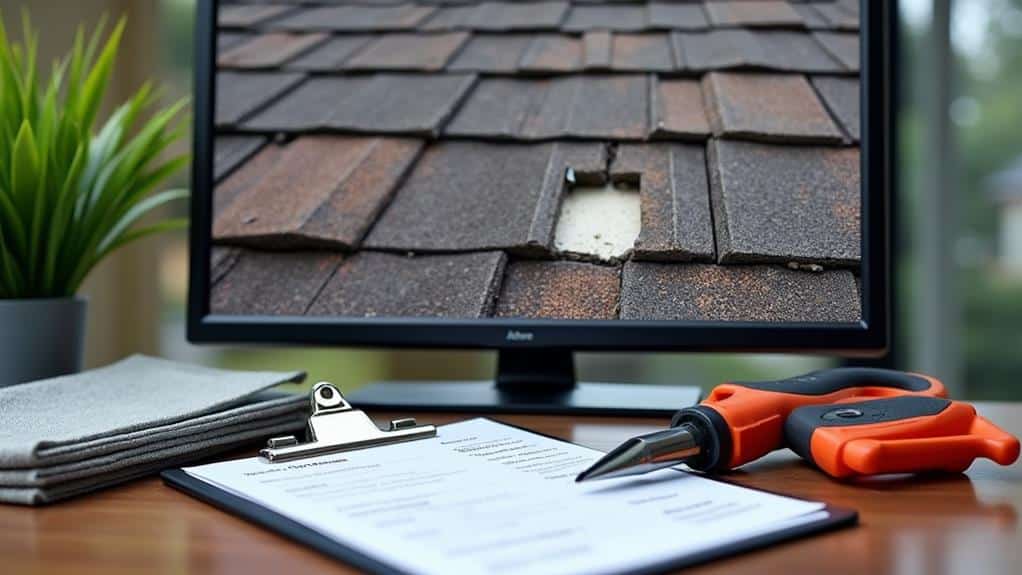
Roofing repair costs invariably fluctuate based on a multitude of factors, making it essential to understand the key elements that influence your project’s bottom line.
Damage assessment techniques play a vital role in repair cost estimation, as the extent of the damage greatly impacts expenses. Minor repairs, like fixing leaks or replacing a few tiles, typically range from £120 to £400, while more extensive repairs can reach £1,600. Slate roofs, a popular choice for their durability and aesthetic appeal, generally last 50 to 100 years and are among the most cost-effective options for long-term investments.
For tile replacement, you’re looking at £250 to £800 per square metre, with total roof replacement potentially exceeding £12,000. Your roof’s size, pitch, and material type are pivotal factors in cost determination. Steeper roofs generally incur higher labour expenses due to increased complexity and safety requirements.
Specific repairs, such as lead flashing replacements (£600-£1,000) or chimney leak repairs (£1,800-£3,400), have their own cost brackets.
To minimise long-term expenses, prioritise regular maintenance and timely repairs. This proactive approach prevents minor issues from escalating into costly problems.
Keep in mind that local planning regulations may affect your roofing choices, particularly in conservation areas or for listed buildings. Additionally, consider the impact of our varied climate, with frequent rain and occasional high winds, when selecting materials and planning maintenance schedules.
By understanding these cost factors and implementing a strategic maintenance plan, you’ll be better equipped to manage your roofing expenses effectively.
Remember to consult with a professional roofer who’s well-versed in local building standards and can provide tailored advice for your specific needs and location.
Preventive Maintenance Strategies
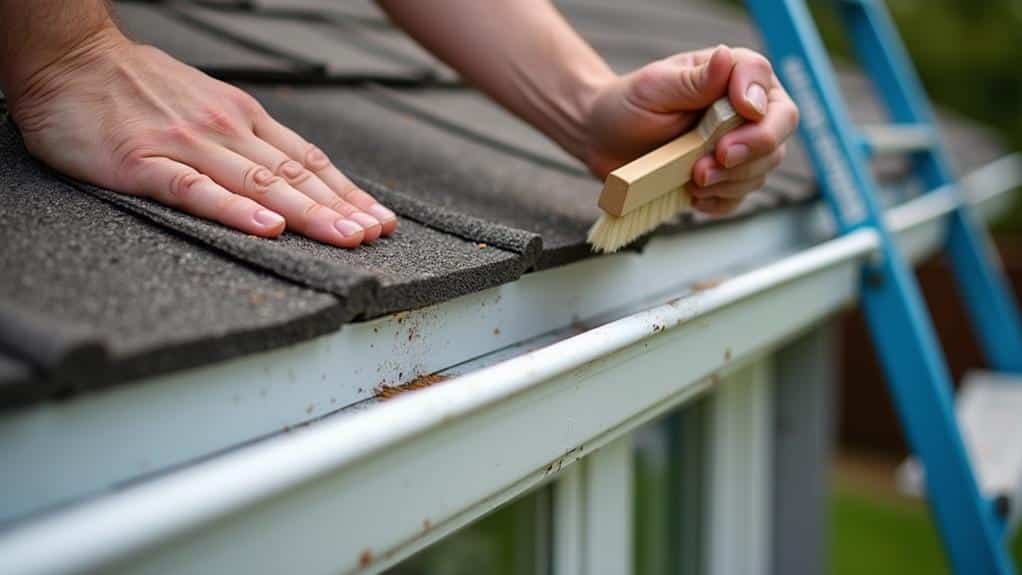
Maintaining your roof’s integrity requires implementing a regular inspection programme. Conduct thorough examinations at least twice yearly and after severe weather events to identify potential issues before they escalate. These inspections, which typically last 30-60 minutes for average-sized homes, are essential for early detection of problems like moss growth, cracked tiles, or structural concerns.
Additionally, prioritise gutter cleaning, as this task prevents water backup and ensures proper drainage, thereby averting leaks and structural damage to your roof system. Given our often wet and windy climate, it’s crucial to keep an eye out for loose or missing tiles, particularly after storms.
When selecting roofing materials, consider options like clay tiles, slate, or even thatch, which are well-suited to our architectural heritage and weather conditions. For modern builds, you might opt for materials like concrete tiles or metal roofing systems that offer excellent durability and energy efficiency.
Remember to adhere to local building regulations when undertaking any roof work. Most repairs and replacements require approval from your local council, and it’s advisable to consult with a certified roofing professional to ensure compliance.
Regular maintenance not only extends the lifespan of your roof but also improves your home’s energy efficiency. A well-maintained roof can help reduce heating costs during our chilly winters and keep your home cooler during increasingly warm summers.
Lastly, don’t forget to check your loft space periodically for signs of damp or water ingress. This can often be the first indicator of roof issues and catching problems early can save you significant expense in the long run.
Regular Inspection Schedule
Regular Inspection Schedule
Vigilance is key when it comes to maintaining your roof’s integrity. To ensure your roof remains in top condition, you should establish a regular inspection schedule. Conduct seasonal inspections at least twice a year, ideally in spring and autumn. These routine checks allow you to identify potential issues before they escalate into costly repairs.
Consider implementing a condition report survey to obtain a thorough snapshot of your roof’s condition, which can help prevent leaks and inform maintenance decisions.
Create an inspection checklist that includes examining tiles or slates for damage or wear, checking flashing around chimneys and vents, and evaluating the condition of gutters and downpipes. Don’t forget to inspect your roof after significant weather events, such as heavy rain or gales, as these can cause unexpected damage.
Document your findings during each inspection and promptly schedule any necessary repairs. This proactive approach prevents minor issues from developing into major problems that could lead to damp and structural concerns.
Consider engaging a professional roofer for routine inspections. Their expert insights can identify hidden damage and potentially extend your roof’s lifespan. While it may seem like an added expense, professional inspections can save you money on future repair costs and help maintain your roof’s integrity for years to come.
When selecting materials for repairs or replacements, consider options that comply with local building regulations and are well-suited to our climate. Popular choices include clay tiles, slate, and concrete tiles, each offering unique benefits in terms of durability and aesthetics.
Remember that proper ventilation is crucial in our often damp climate to prevent issues like condensation and mould growth in your loft space. A qualified roofer can assess your current ventilation system and recommend improvements if necessary.
Lastly, be mindful of the impact of nearby trees on your roof. Overhanging branches can cause damage during high winds and contribute to moss growth and blocked gutters. Regular pruning can help mitigate these risks and preserve your roof’s condition.
Gutter Cleaning Importance
Gutter Cleaning Importance
Regular gutter cleaning is a crucial aspect of preventive roof maintenance. This essential task prevents blockages that can lead to overflowing water, potentially causing severe damage to your roof, foundations, and garden. By implementing proper gutter maintenance, you’ll protect your home from costly water damage repairs, which can range from £400 to £1,500. Yearly roof inspections can help identify potential gutter issues before they escalate, ensuring the longevity of your roofing system.
Gutter maintenance benefits extend beyond preventing water damage. Clean gutters reduce the risk of mould growth and timber rot in fascia boards and roofing structures, preserving the integrity of your home. To maximise these benefits, you should clean your gutters twice a year, typically in spring and autumn. This schedule guarantees proper drainage and extends the lifespan of your roofing system.
When considering gutter cleaning techniques, you have several options. Whilst manual cleaning is effective, installing gutter guards can greatly reduce the frequency of required cleanings and improve overall efficiency. These guards help keep debris out while allowing water to flow freely, minimising the risk of blockages.
By prioritising gutter maintenance, you’ll safeguard your home against potential water-related issues and avoid more extensive, expensive repairs in the future.
It’s worth noting that certain roofing materials, such as slate and clay tiles, are particularly popular due to their durability in our damp climate. However, these materials can be more susceptible to damage from overflowing gutters, making regular maintenance even more crucial.
Additionally, adherence to Building Regulations is essential when undertaking any roofing work, including gutter installation or replacement. By staying on top of gutter maintenance and working with qualified professionals, you can ensure your roof remains in top condition, regardless of the unpredictable weather.
Finding Reliable Roofing Services
When seeking reliable roofing services, it’s essential to employ a strategic approach. Begin by utilising online platforms such as Checkatrade or TrustATrader to access customer reviews and ratings of local contractors. These resources provide valuable insights into the quality and dependability of roofing services in your area.
Look for contractors with extensive experience in roofing and cladding services, as this demonstrates a long-standing commitment to the industry and customer satisfaction.
Don’t underestimate the power of personal recommendations. Reach out to friends, family, or neighbours who’ve recently had roofing work completed. Their firsthand experiences can lead you to trustworthy local tradespeople.
Verification is crucial. Confirm that the roofing contractors you’re considering are fully insured and registered with the National Federation of Roofing Contractors (NFRC). This protects you from potential liability and ensures the work meets industry standards.
Prioritise companies offering free, no-obligation quotes. This reflects transparency and confidence in their services. Additionally, focus on contractors with proven industry experience. Assess their portfolio and customer testimonials to gauge their track record.
Consider the unique challenges posed by our climate, such as frequent rain and occasional high winds. Enquire about materials suited to these conditions, like slate or clay tiles, which are popular choices for their durability and aesthetic appeal.
Also, ask about the contractor’s experience with listed buildings or conservation areas, as these often require specialised knowledge and adherence to strict regulations.
Remember to discuss ongoing maintenance and aftercare services. A reputable roofing company should offer guidance on regular inspections and minor repairs to prolong the life of your roof and prevent costly damage in the long run.
Extending Your Roof’s Lifespan

Extending Your Roof’s Lifespan
To maximise your roof’s longevity, you’ll need to implement regular maintenance practices, including biannual gutter cleaning and prompt debris removal. Yearly professional surveys are vital for identifying potential issues early, such as moss growth or damaged tiles, which can greatly impact your roof’s health.
Selecting high-quality roofing materials, despite higher initial costs, can considerably enhance durability and reduce the need for repairs.
When choosing materials, consider options like natural slate, which isn’t only aesthetically pleasing but also well-suited to our often damp climate. Clay tiles are another popular choice, offering excellent durability and a traditional look that complements many architectural styles across the country.
It’s crucial to be aware of local building regulations, which may dictate certain aspects of your roof’s design and materials. For instance, in conservation areas or listed buildings, there may be restrictions on the types of materials you can use.
Given our unpredictable weather patterns, with frequent rain and occasional high winds, it’s essential to ensure proper ventilation and waterproofing. A well-ventilated roof space can prevent condensation build-up, which is a common issue in our humid environment.
Regular maintenance should include checking for and replacing cracked or missing tiles, clearing leaves and debris from valleys and gutters, and inspecting flashings around chimneys and dormers.
These simple tasks can significantly extend your roof’s lifespan and protect your home from water ingress.
Regular Maintenance Practices
Regular Maintenance Practices for Your Roof
A well-maintained roof is the cornerstone of a home’s longevity and structural integrity. To maximise your roof’s lifespan, you’ll need to implement regular maintenance practices, including annual inspections and seasonal upkeep. These routine checks allow you to identify and address minor issues before they escalate into costly repairs. Roofing specialists recommend conducting thorough inspections at least once a year, or after severe weather events, to catch potential problems early.
One vital aspect of roof maintenance is debris removal. You should clear your roof and gutters of leaves, twigs, and other accumulated materials regularly. This prevents moisture buildup and rotting, greatly reducing the risk of leaks and structural damage.
Additionally, ensure proper loft ventilation to regulate temperature and moisture, preventing tile deterioration and mould growth. Trim overhanging branches to minimise the risk of damage from falling limbs and reduce leaf accumulation that can block drainage systems.
After severe weather events, such as strong gales or heavy snowfall, schedule prompt inspections to assess and repair any potential damage. This proactive approach protects your home’s integrity and value.
When selecting roofing materials, consider options well-suited to our climate, such as slate, clay tiles, or high-quality synthetic alternatives. These materials offer excellent durability and weather resistance, crucial for withstanding our often unpredictable weather patterns.
It’s essential to stay informed about local building regulations and planning permissions, particularly if you’re considering significant alterations or repairs to your roof. Many areas have specific requirements for listed buildings or properties in conservation areas, so always consult with your local council before undertaking major works.
Quality Material Selection
Selecting quality materials for your roof goes a long way in extending its lifespan and protecting your investment. When choosing roofing materials, consider durability, cost-effectiveness, and sustainability considerations. Eco-friendly roofing options such as slate, clay tiles, and zinc offer excellent longevity and environmental benefits. These materials are often recyclable and can contribute to improved energy efficiency.
Traditional concrete tiles offer a 50-60 year lifespan, while zinc roofs can exceed 100 years. Although premium materials may have higher initial costs, they can greatly reduce long-term maintenance expenses and increase your property’s value.
Ensure that your chosen materials are installed correctly, adhering to manufacturer guidelines and local building regulations. This practice is vital for maintaining warranty validity and preventing premature failure. Additionally, opt for materials with high thermal resistance to improve energy efficiency, potentially cutting heating costs by 10-20% over time, a significant consideration given our often chilly climate.
When making aesthetic choices, balance appearance with functionality. Consider materials that complement your home’s architecture while providing ideal protection against our frequent rain and occasional high winds.
Remember that regular maintenance, including gutter cleaning and inspections, is essential for maximising your investment. By selecting high-quality, sustainable materials and implementing proper care, you’ll extend your roof’s lifespan, minimise future repair costs, and enhance your home’s overall performance and value.
It’s worth noting that certain materials, such as natural slate, are particularly favoured for their ability to withstand our varied weather conditions and complement both period and modern properties.
Additionally, proper insulation and ventilation are crucial aspects of roofing in our climate, helping to prevent issues like condensation and heat loss. Consulting with a professional roofer who understands local building practices and regulations is always advisable to ensure your roofing solution is tailored to your specific needs and location.
Professional Inspection Benefits
Whilst quality materials form the foundation of a durable roof, professional inspections play an essential role in maximising its lifespan. Regular expert assessments can extend your roof’s longevity by up to 15 years through early detection and resolution of minor issues. These inspections identify subtle signs of damage, such as cracked flashing or missing tiles, preventing more extensive and costly repairs down the line. Biannual inspections are recommended for most roofs, especially after severe weather events, to guarantee ideal protection and performance.
Professional inspectors provide thorough evaluations of roofing materials and conditions, enabling you to make informed decisions about necessary repairs or replacements. They analyse ventilation and drainage systems, confirming all components function properly to prevent moisture buildup and related damage. The inspection frequency recommended by experts typically depends on your roof’s age and local climate conditions, with particular attention paid to areas prone to heavy rainfall or coastal environments.
Engaging professional services for inspections can also enhance your warranty coverage, as many manufacturers require regular maintenance checks to uphold warranty terms. By investing in expert recommendations and timely inspections, you’re not only protecting your roof but also safeguarding your entire property from potential water damage and structural issues. This proactive approach ultimately saves you money and extends the life of your roofing system.
When selecting a roofing contractor, ensure they’re familiar with local building regulations and have experience working with materials common in the region, such as slate, clay tiles, or synthetic alternatives. A reputable firm will be well-versed in addressing challenges posed by our varied climate, from wind-driven rain to occasional snow and ice.
They should also be able to advise on energy-efficient options that comply with current insulation standards, helping to reduce your heating costs and carbon footprint.
Frequently Asked Questions
How Does Climate Affect the Choice of Roofing Materials for Repairs?
Climate plays a crucial role in selecting the right roofing materials for repairs and replacements. When considering options, one must account for durability and weather resistance, particularly given our varied and often unpredictable weather patterns.
In warmer regions, such as the South East, it’s advisable to choose heat-reflective options like light-coloured tiles or slate. These materials help keep homes cooler during summer heatwaves, potentially reducing energy costs associated with air conditioning.
For areas prone to heavy rainfall and strong winds, like the West Country or Scotland, it’s essential to opt for materials that can withstand these challenging conditions. Clay tiles and high-quality slate are popular choices, offering excellent water resistance and longevity.
In coastal areas, where salt air can accelerate corrosion, zinc or aluminium roofing systems provide superior protection. These materials are increasingly favoured for their durability and minimal maintenance requirements.
It’s worth noting that local planning regulations may influence material choices, particularly in conservation areas or for listed buildings. Always consult with local authorities before embarking on significant roofing projects.
When it comes to insulation, our climate demands materials that perform well in both cold and mild conditions. Modern roofing systems often incorporate high-performance insulation to meet current building regulations and improve energy efficiency.
Lastly, consider the pitch of your roof. Steeper pitches, common in many period properties, are better suited to materials like slate or clay tiles. For flatter roofs, often found in more modern constructions, specialised membranes or metal roofing systems are typically more appropriate.
Are There Eco-Friendly Options for Roofing Repairs and Replacements?
Eco-friendly roofing solutions have gained significant traction in recent years, offering homeowners sustainable options for repairs and replacements. When considering a new roof or renovations, it’s worth exploring materials that reduce environmental impact whilst providing robust protection against our notoriously unpredictable weather.
Recycled slate tiles have become increasingly popular, offering a traditional aesthetic with modern sustainability. These tiles, often crafted from reclaimed materials, are not only durable but also comply with local conservation area regulations in many historic districts.
For those seeking cutting-edge technology, photovoltaic tiles present an excellent opportunity to generate clean energy whilst maintaining a sleek roofline. These innovative solutions seamlessly integrate with existing architecture, meeting strict planning permissions even in listed buildings.
Green roofs, featuring living vegetation, are gaining favour in urban areas. They provide excellent insulation, reduce stormwater runoff, and contribute to improved air quality—a boon for city dwellers looking to create a haven amidst the concrete jungle.
Cool roofing systems, designed to reflect more sunlight and absorb less heat, are particularly beneficial during increasingly warm summers. These systems can significantly reduce cooling costs and urban heat island effects, making them a prudent choice for both residential and commercial properties.
When selecting materials, it’s crucial to consider their resilience against persistent rain, occasional snow, and strong winds. Proper installation by certified roofers ensures compliance with current building regulations and guarantees optimal performance in our maritime climate.
What Insurance Considerations Should Homeowners Be Aware of for Roof Repairs?
When it comes to roof repairs, homeowners ought to be well-versed in their insurance policies. It’s crucial to scrutinise your cover for repair limits and excess amounts. Meticulously document any damage with photographs and detailed notes to support your claim. Inform your insurer without delay following any incidents, such as storm damage or fallen trees.
Be mindful that standard maintenance tasks, like replacing loose tiles or clearing gutters, typically fall outside the scope of insurance coverage. Insurers generally only compensate for sudden, accidental damage, such as that caused by severe weather events.
Given our often unpredictable climate, with frequent rain and occasional high winds, it’s wise to consider additional protection against weather-related incidents. Some policies offer optional extras for more comprehensive cover.
Popular roofing materials like slate and clay tiles are favoured for their durability and aesthetic appeal, but they can be costly to repair or replace. Check whether your policy accounts for these premium materials.
Local building regulations may impact repair work, particularly in conservation areas or for listed properties. Ensure your policy covers the potential added costs of complying with such requirements.
Lastly, be aware of the growing trend towards eco-friendly roofing solutions, such as solar tiles or green roofs. If you’re considering these options, discuss with your insurer how they might affect your coverage and premiums.
How Do Local Building Codes Impact Roofing Repair Projects?
Imagine your roof as a medieval castle, protected by local building regulations. Before embarking on any repairs, you’ll need to secure planning permission and adhere to stringent standards. These bylaws dictate acceptable materials, installation techniques, and safety measures, ensuring your roof meets all legal requirements.
When considering a roofing project, it’s crucial to be aware of regional weather patterns. Our climate, known for its frequent rain and occasional high winds, demands robust solutions. Popular materials like slate and clay tiles not only withstand these conditions but also complement the traditional architectural styles found in many neighbourhoods.
Homeowners should be mindful of conservation areas and listed buildings, which may have additional restrictions on roofing modifications. In such cases, specialised materials and techniques might be necessary to maintain the property’s historical integrity.
Energy efficiency is another vital consideration, with current regulations emphasising the importance of proper insulation. This not only helps reduce heating costs but also contributes to the government’s carbon reduction goals.
Professional roofers are well-versed in navigating these regulations and can provide valuable guidance throughout the process. They understand the nuances of local planning offices and can ensure your roofing project complies with all relevant standards, from fire safety to structural integrity.
Can Solar Panel Installations Affect Roof Repair Procedures or Warranties?
Solar panel installations can significantly influence roof repair procedures and warranties for homeowners considering renewable energy options. When planning roof maintenance, it’s crucial to factor in the integration of photovoltaic systems. Consulting professionals well-versed in both roofing and solar technologies is essential to ensure proper coordination and compliance with local building regulations.
Homeowners should be aware that adding solar panels may affect existing roof warranties. It’s advisable to review warranty terms and discuss potential impacts with both the roofing contractor and solar installer. Many reputable roofing companies now offer specialised services to accommodate solar panel installations without compromising the roof’s integrity.
Popular roofing materials like slate, clay tiles, and synthetic alternatives remain compatible with solar panel systems, though some may require additional reinforcement. For those with older properties featuring traditional materials, extra care must be taken to preserve the roof’s character while incorporating modern energy solutions.
Given the often damp and variable climate, weather-proofing is a critical consideration. Professional roofers can advise on the best practices for maintaining a watertight seal around solar panel mounts and electrical penetrations. Regular inspections are recommended to ensure that the roof continues to perform optimally in all weather conditions.
Local councils may have specific requirements for solar installations on listed buildings or in conservation areas. It’s important to check with the planning authority before proceeding with any work. Many areas now encourage renewable energy adoption, but guidelines may exist to maintain aesthetic consistency in certain neighbourhoods.
Conclusion
A sturdy roof is your home’s first line of defence, much like a helmet protecting our brave servicemen and women. By understanding common issues, mastering DIY repairs, and knowing when to ring up the professionals, you’ll fortify this essential barrier against our notoriously unpredictable weather.
Remember, proactive maintenance can extend your roof’s lifespan by up to 25%. Stay vigilant, address problems swiftly, and invest wisely in quality materials and services. With these strategies, you’ll ensure your roof stands strong against driving rain, howling gales, and the occasional scorching heatwave for years to come.
When considering repairs or replacements, it’s crucial to be aware of local building regulations and planning permissions, particularly in conservation areas or for listed buildings. Popular roofing materials include slate, clay tiles, and concrete tiles, each offering unique benefits suited to different architectural styles and regional climate conditions.
For those living in coastal areas, special considerations must be made for salt-air corrosion, while homeowners in rural areas might need to account for additional moss and algae growth. Regular gutter cleaning and inspections are essential, especially after autumn when fallen leaves can cause blockages.
By partnering with a trusted, local roofing specialist, you can ensure your home remains dry, energy-efficient, and in compliance with all relevant standards. Don’t let a leaky roof dampen your spirits – take action today to protect your most valuable asset.


