
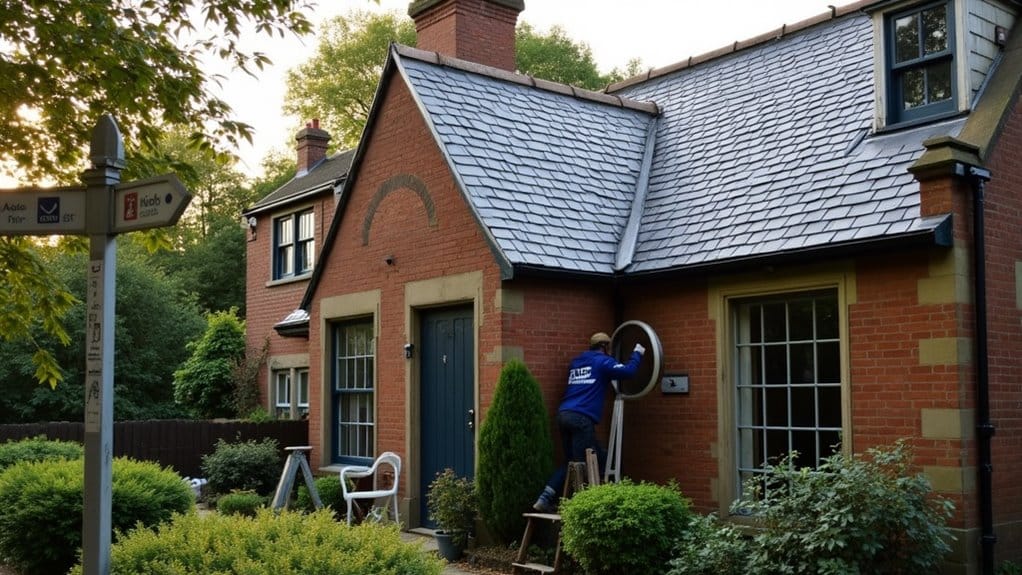
Roofing Regulations for Listed Properties in the UK
When working on the roofs of listed properties in the UK, it’s crucial to follow strict regulations that protect their historical character. You’ll need Listed Building Consent (LBC) for any changes, including the choice of roofing materials. Natural slate and clay tiles are typically preferred due to their authenticity, whereas modern options might need special permission. Always check with your local authority to grasp the specific regulations and ensure your plans align with conservation area standards. It’s also important to hire qualified contractors who have experience with listed buildings to ensure compliance. For detailed guidance on these regulations, refer to official resources that outline your project’s requirements.
Key Takeaways
- You need listed building consent (LBC) for any roofing changes on listed properties to keep their historical character intact.
- Always opt for traditional materials such as natural slate or clay tiles. This helps maintain the building’s architectural integrity and adheres to conservation rules.
- It’s vital to follow UK building regulations concerning fire safety and structural integrity when choosing roofing materials.
- Regular maintenance and inspections are essential to prevent serious damage and maintain the property’s value.
- Always check with local authorities and Historic England to ensure your roofing plans comply with all necessary regulations.
Understanding Listed Property Status
Understanding the status of a listed property is essential for any owner or potential buyer. Listed buildings, recognised for their special architectural or historic interest, are key to preserving the UK’s architectural heritage. In England alone, there are about 376,000 listed structures, classified into three grades: Grade I for buildings of exceptional significance, Grade II* for particularly important ones, and Grade II for those of special interest.
The law requires that any alterations or demolitions to listed buildings need Listed Building Consent (LBC). This ensures that the character and integrity of these important structures are preserved. Owners should know that the protection covers the entire building, including interiors and attached fixtures.
When assessing a property’s listed status, consider the criteria for selection, which focus on age, technological advancements, and notable architectural features. Each building’s listing record contains vital information, such as its grade and a brief description, helping you make informed decisions about maintenance and possible alterations. Additionally, buildings built before 1700 that remain largely unchanged are more likely to be listed buildings.
Key Building Regulations

When it comes to roofing for listed buildings, it’s essential to consider thermal insulation, air-tightness, and energy efficiency standards. These rules ensure your upgrades maintain the property’s historical character while also meeting modern environmental requirements. For instance, if you’re replacing slate tiles, opt for materials that mimic the original while providing better insulation. Understanding the listing process will further ensure that any alterations you make comply with regulations. Familiarising yourself with these regulations will help you carry out your renovation smoothly.
Thermal Insulation Standards
Thermal insulation standards are crucial for improving energy efficiency in listed properties, significantly reducing heat loss and energy demand. Familiarity with these standards helps in choosing the right insulation techniques and materials.
Consider these three key points:
- U-values: U-values measure thermal efficiency; lower figures indicate better insulation. This is especially important for listed buildings where conserving energy is a priority. Compliance with minimum insulation requirements ensures that energy efficiency standards are met.
- Roof Insulation: Roofs can be major sources of heat loss, so achieving the necessary U-value is essential. Options like warm roof insulation should be examined carefully to maintain the property’s historical integrity.
- Regulatory Compliance: Building Regulations specify minimum insulation standards, as seen in documents like Approved Document L and Section 6 of the Scottish Standards. Modifications may need listed building consent, particularly for external changes.
When choosing insulation materials, ensure they align with the building’s character and history. Vapour-permeable materials, such as mineral wool or sheep’s wool, are often recommended for effective insulation without compromising preservation.
Always check with local authorities to understand specific requirements.
Air-Tightness Requirements
Airtightness requirements play a crucial role in improving energy efficiency in listed properties while ensuring compliance with building regulations. The current Part L Building Regulations stipulate a maximum air permeability of 8 m³/hr.m² at 50Pa, with plans to reduce this to 5 m³/hr.m² by 2025. Importantly, all new homes, including listed buildings, must undergo mandatory airtightness testing, eliminating the previous option for sample testing. This update is part of the overall goal to reduce carbon emissions from buildings and promote sustainability. When addressing these requirements, it’s vital to balance the preservation of historical features with modern efficiency standards. Effective ventilation is also key, as Part F regulations prioritise indoor air quality alongside airtightness. You may require bespoke solutions to meet these standards without compromising your property’s character. Consulting with experts who are well-versed in both regulations and the unique challenges of listed buildings is essential.
Energy Efficiency Compliance
Building regulations for energy efficiency must comply with various legislative frameworks, especially for listed properties.
Although these buildings have some exemptions from Energy Performance Certificate (EPC) requirements, they still need to meet Minimum Energy Efficiency Standards (MEES). This ensures that energy efficiency improvements are made in a responsible and sustainable manner. Additionally, EPCs are required for properties being rented or sold, which helps maintain transparency in energy performance.
To navigate these regulations effectively, follow these steps:
- Conduct Energy Audits: Assess the building’s energy performance to ensure sustainability practices are implemented without compromising the property’s fabric or character.
- Consult Local Authorities: Work with conservation officers who can advise on appropriate energy efficiency measures tailored for listed buildings.
- Utilise Conservation Expertise: Engage conservation-accredited surveyors for guidance on listed building consent and planning permissions, ensuring compliance with local regulations.
Planning Permission Essentials
When planning alterations to listed buildings, it’s crucial to understand the planning permission process. You’ll need to secure both planning permission and listed building consent for your proposed changes, keeping in mind the building’s historical importance.
Here are the key points to remember:
| Aspect | Details |
|---|---|
| Application Method | Submit online via the Planning Portal or use paper forms |
| Consultation Required | Local authorities will consult with Historic England |
| Timeframe | Decisions are usually made within eight weeks |
| Necessary Documents | Include a Design and Access Statement and a Heritage Impact Assessment |
| Approval Rate | Almost 90% of applications receive consent |
Make sure your application provides ample detail to assess its effect on the building’s character. Both the local authority and Historic England will evaluate your proposal against these design considerations, so thorough preparation is essential. By following these guidelines, you can navigate the planning permission process for listed properties more smoothly.
Conservation Area Considerations
Conservation areas are crucial for safeguarding the architectural and historical integrity of neighbourhoods. When replacing roofs in these areas, it’s essential to adhere to specific guidelines to ensure compliance with local regulations and to maintain the aesthetic appeal of the design.
- Material Restrictions: Choose materials that complement the building’s character. Traditional options like slate and clay tiles are often preferred, but lightweight alternatives may be acceptable if you can justify their use.
- Planning Permission: Before commencing any roof replacement, you must secure planning permission. Your application should include comprehensive plans and specifications, as local councils will evaluate them in line with Article 4 directions.
- Community Engagement: Engaging with your local community and authorities is key. Their feedback can inform your design decisions and help streamline the application process.
Historical Roof Preservation

Maintaining historical roofs is crucial for preserving their integrity and complying with conservation area regulations. It’s important to work closely with local historic preservation authorities to ensure all guidelines are followed.
A solid maintenance plan is essential, including regular inspections and prompt repairs for any minor damages. Regular inspections can help identify signs of water damage that could threaten the roof’s longevity.
Utilising best practices in preservation will help protect the roof against environmental wear, ensuring its longevity. Aim to maintain historical authenticity while also keeping the structure sound through a suitable maintenance schedule.
When it comes to restoration, it’s wise to hire contractors experienced in historic roofing techniques. These specialists can manage delicate roofs with care and offer reliable advice on restoration methods.
Always use traditional craftsmanship and authentic materials that reflect the original era, such as wooden shingles or natural slate, while also considering the architectural style—be it Tudor, Georgian, Victorian, or Edwardian.
Appropriate Roofing Materials
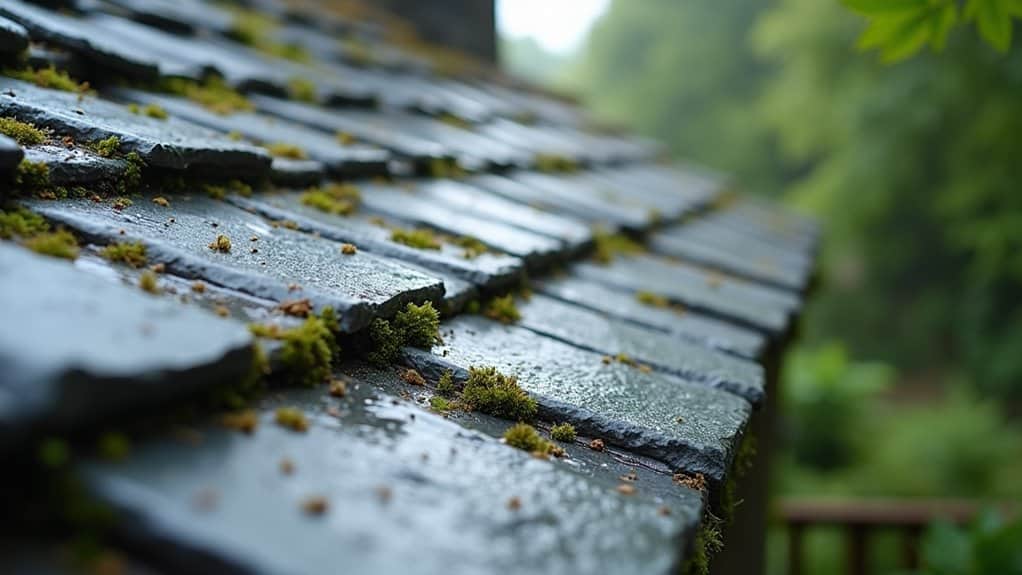
Choosing the right roofing materials for listed properties is crucial for both maintaining their appearance and adhering to historical regulations. Here are some key options based on traditional roofing methods:
- Natural Slate: Known for its durability and historical accuracy, natural slate is often a requirement in conservation areas and is perfect for older buildings due to its longevity. Additionally, its low carbon footprint makes it an eco-friendly option that aligns with modern sustainability practices.
- Clay Tiles: These come in various shapes and colours, helping to preserve the historical look of listed properties. Clay tiles can last for centuries, making them a sustainable choice.
- Metal Sheet Roofing: Traditional options like lead and corrugated tin are commonly used for flat roofs. It’s important to choose a style that closely matches the original materials.
Always check that your chosen materials comply with UK building regulations, especially concerning fire safety and structural integrity.
While modern alternatives that resemble historical materials may be permissible, it’s essential to get approval from local authorities.
The right roofing choice not only maintains the building’s character but also supports sustainable heritage conservation efforts.
Inappropriate Alterations to Roofs

When it comes to listed properties, any alterations to roofs need careful consideration to protect their historical value. Inappropriate changes can jeopardise the architectural integrity of these buildings and erode their unique character.
For example, replacing more than 25% of a roof or changing traditional roof styles without listed building consent isn’t allowed. Additionally, using modern materials that don’t match the original can drastically change the building’s appearance and may even cause structural problems.
Removing key architectural features like chimneys or ventilation systems can also threaten the property’s historic fabric. Such alterations not only reduce aesthetic appeal but can lead to further deterioration.
It’s crucial to engage with local authorities and heritage experts early in your planning to ensure any proposed changes respect the building’s historical integrity.
If your property is situated in a conservation area, you may face even stricter regulations.
Importance of Compliance

Compliance with roofing regulations for listed buildings isn’t just a legal requirement; it’s vital for preserving the historical character of your property.
By following these guidelines, you help maintain the architectural significance of your building, which can also improve its energy efficiency.
For instance, using traditional materials can enhance the aesthetic appeal while ensuring the structure’s longevity.
Understanding these regulations is crucial for protecting your investment and the cultural heritage of your community. Additionally, adhering to heritage roofing guidance ensures that the restoration work aligns with best practices and respects the building’s historical context.
Legal Obligations Overview
Navigating the legal obligations of roofing for listed properties in the UK requires a solid grasp of various regulations that protect both the building’s integrity and its historical significance.
It’s crucial to comply with these rules, as failing to do so can lead to considerable regulatory issues.
Here are three key obligations to keep in mind:
- Building Regulations Compliance: Ensure that your roofing project meets Part L for energy efficiency and adheres to structural design standards. Additionally, use fire-safe materials.
- Planning Permission: You must obtain listed building consent for any alterations to the roof. Neglecting this step can cause delays and impact your project timeline.
- Statutory Considerations: Prepare a Heritage Statement and, if necessary, an Ecology Report. These documents will address any ecological and heritage concerns, ensuring your modifications respect the building’s historic character.
Understanding these obligations not only protects your property but also honours its historical context.
Non-compliance may lead to enforcement actions, including fines and repair orders, so it’s essential to approach these legal requirements with care.
Historical Integrity Preservation
Preserving the historical integrity of listed buildings during roofing work is crucial, as alterations can significantly affect their character and cultural value.
Start with a comprehensive assessment of the roof by a qualified professional who can evaluate its current condition, the significance of existing materials, and structural integrity. Following conservation principles ensures that repairs or replacements maintain heritage authenticity.
When it comes to repairs, choose materials that closely match the originals in both composition and appearance. Avoid significant changes to the roof structure to keep its historical character intact, and salvage original materials whenever possible.
Use traditional roofing techniques to ensure a seamless blend with the existing architecture.
Selecting the right materials is vital; they should reflect the building’s period and style. Check for compatibility with the existing structure to avoid damage.
It’s also important to engage with local communities and relevant authorities to obtain necessary permissions, such as Listed Building Consent, and seek advice from experts in historical roof preservation.
This collaborative approach will help ensure compliance while effectively safeguarding the historical integrity of listed properties.
Energy Efficiency Standards
Energy efficiency standards are vital for preserving listed buildings, ensuring these historic properties are sustainable for future generations. Meeting these standards isn’t merely a legal obligation; it significantly improves energy performance while maintaining the building’s historical character.
Here are three important points to consider:
1. Energy Audits: Carrying out detailed Energy Audits is crucial to pinpoint areas for improvement without altering the building’s character.
For example, identifying draughty windows can lead to better insulation solutions.
2. Retrofitting Challenges: Retrofitting listed properties can be tricky due to factors like maintaining original materials and aesthetics.
However, it presents a chance to cut carbon emissions and boost energy efficiency, such as installing discreet solar panels or high-efficiency heating systems.
3. Economic Benefits: Improving energy performance can yield significant economic advantages, including job creation in the local area and an increase in property values.
For instance, energy-efficient upgrades can make a property more attractive to buyers who value sustainability. Additionally, implementing sustainable practices can reduce greenhouse gas emissions and contribute to a healthier environment.
Engaging Qualified Contractors

Engaging qualified contractors is crucial for roofing projects on listed properties. To ensure compliance with conservation regulations, look for contractors with relevant qualifications, such as CSCS cards, and a strong background in conservation work. Their experience with listed buildings means they’ll grasp the specific requirements, including adherence to Building Regulations Part L.
Clear communication with your contractors is essential. Confirm that they’re well-versed in local regulations and have a track record of sourcing traditional materials that maintain your property’s historical integrity. Membership in professional bodies like the National Federation of Roofing Contractors is a good indicator of their commitment to quality.
Additionally, check their reputation through references and documentation of previous projects. This will give you insight into their workmanship and their ability to handle the complexities of conservation areas. Ensuring compliance with safety regulations is also important to protect both workers and the integrity of the structure during the roofing process.
Regular Maintenance Practices

Regular maintenance practices are vital for preserving the integrity and longevity of roofs on listed properties. By following a structured maintenance schedule, you can protect the historical authenticity of your roof while ensuring compliance with regulations.
To maintain your roof effectively, consider these key practices:
- Scheduled Inspections: Carry out roof inspections twice a year, preferably in spring and autumn. After severe weather events, check for splits, cracks, or missing tiles. Clear any debris around skylights, valleys, and other roof penetrations.
- Material Preservation: When repairing or replacing materials, use traditional options like natural slate and clay tiles. Aim to match the original design closely, and consider salvaging materials from the existing roof if possible.
- Gutter Maintenance: Regularly clear gutters to prevent blockages and leaks, which can lead to more significant problems later on.
Incorporating these maintenance practices not only prolongs the life of your roof but also helps maintain its historical value, ensuring that your listed property remains a treasured part of the community’s heritage.
Frequently Asked Questions
What Defines a Listed Property in the UK?
A listed property in the UK is one that is recognised for its historic importance and architectural quality. These buildings have distinctive features, are of considerable age, or showcase notable design elements that justify their protection. For example, a Victorian terrace home or a medieval church might be listed to preserve their contribution to our cultural heritage.
How Do I Find My Property’s Listing Status?
To check your property’s listing status, use databases such as Historic England or CADW. These resources offer vital information on property classification, helping you understand its historical significance and any associated regulations. For example, if your home is listed, it may be subject to specific planning restrictions.
Are There Financial Incentives for Maintaining Listed Properties?
You’ll find numerous financial incentives for maintaining listed properties, such as grants for essential repairs and tax relief options. These are specifically aimed at helping preserve our important heritage. For instance, if you own a listed building, you might be eligible for a grant through the Heritage Lottery Fund to cover restoration costs. Additionally, there are tax benefits like relief on certain maintenance expenses, which can ease the financial burden of upkeep.
Can I Appeal a Planning Permission Decision?
Yes, you can appeal a planning permission decision in the UK. When doing so, it’s important to take into account any implications for listed buildings. For example, if your proposal affects a historic structure, your appeal must demonstrate how it preserves the building’s character and complies with conservation guidelines.
What Are the Penalties for Non-Compliance With Regulations?
Non-compliance with regulations can lead to serious repercussions. Businesses may face substantial fines, enforcement actions, and daily penalties that accumulate over time. For instance, failing to adhere to health and safety regulations could result in a business being shut down temporarily, impacting both reputation and finances. It’s crucial to understand that these legal consequences can have long-lasting effects on your operations and stakeholder trust.
Conclusion
When dealing with roofing regulations for listed properties, you’re not just maintaining a building; you’re protecting a vital part of our history. It’s essential to understand the building regulations and planning permissions applicable to these properties to ensure compliance and avoid costly mistakes. Always use qualified contractors who are familiar with the special requirements of listed buildings. Regular maintenance is also key to preserving your property’s integrity. Your efforts today will help keep the unique charm and character of the past alive for future generations.


